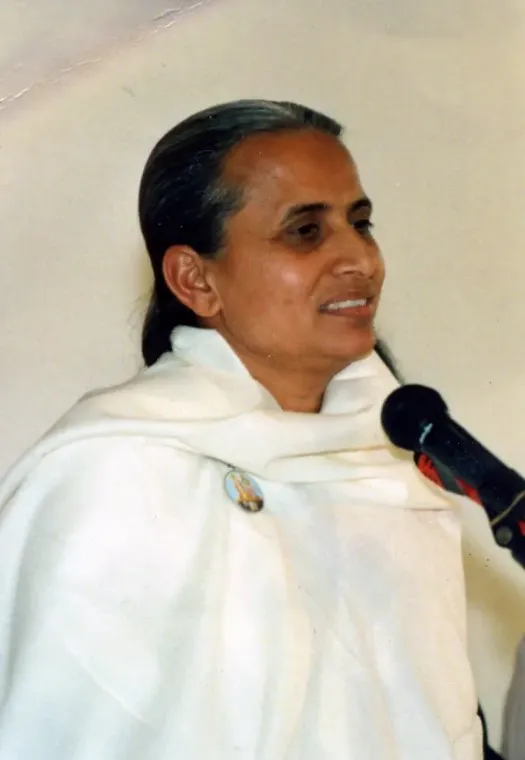
Sister Vedanti
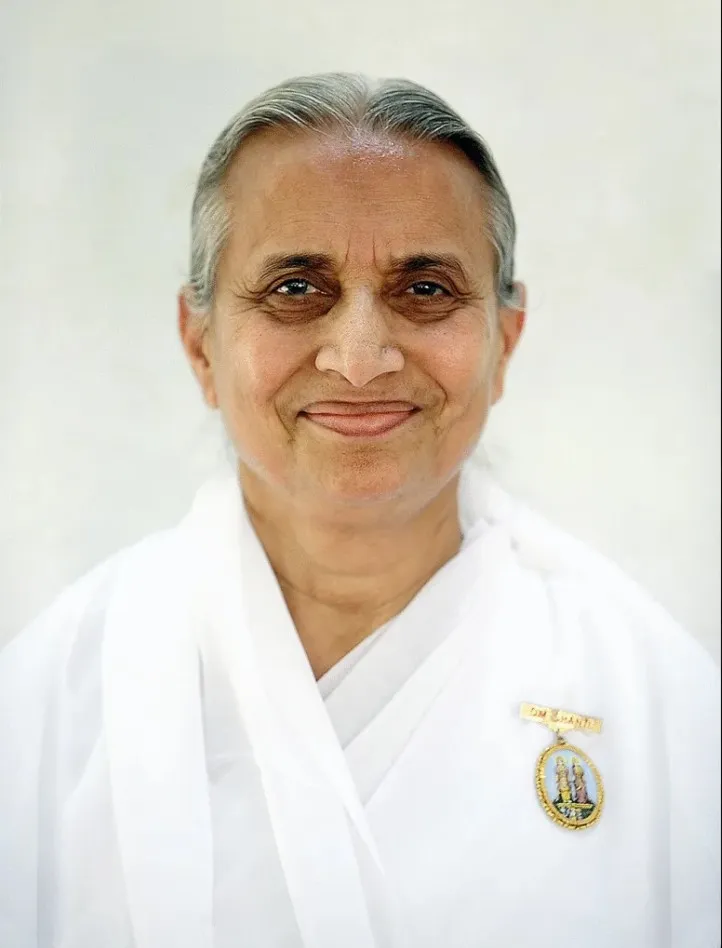
Regional Director
Brahma Kumaris, Africa Region | Nairobi, Kenya
Janma Bhumi:
Petlad, Gujarat
Dharma Bhumi:
Gujarat, India
Karma Bhumi:
Nairobi, Kenya, Africa
Ambassador of Faith, Voice of India’s Soul
The ‘Sister Vedanti’ Factor: “No matter how high you rise, never let ego enter your heart.”
THE WOMAN
Sister Vedanti recalls an incident that captures her essence accurately. One day in Africa, a man stormed into the Brahma Kumaris’ centre, furious that his mother visited too often. He threatened to have Sister Vedanti deported. Calmly, she replied, “India is my home. I’ll go if you wish. I am only here to serve.” Enraged further, he pulled out a gun. Unfazed, she said, “If you shoot me, I’ll go to God. If you don’t, I’ll keep serving. I’m happy here, and I’ll be happy there too.”
Sister Vedanti’s composure disarmed the man, who put the weapon down, apologised, had a meal, and left transformed. Sister Vedanti says, “I credit my ‘Bharatiya’ (Indian) values.”
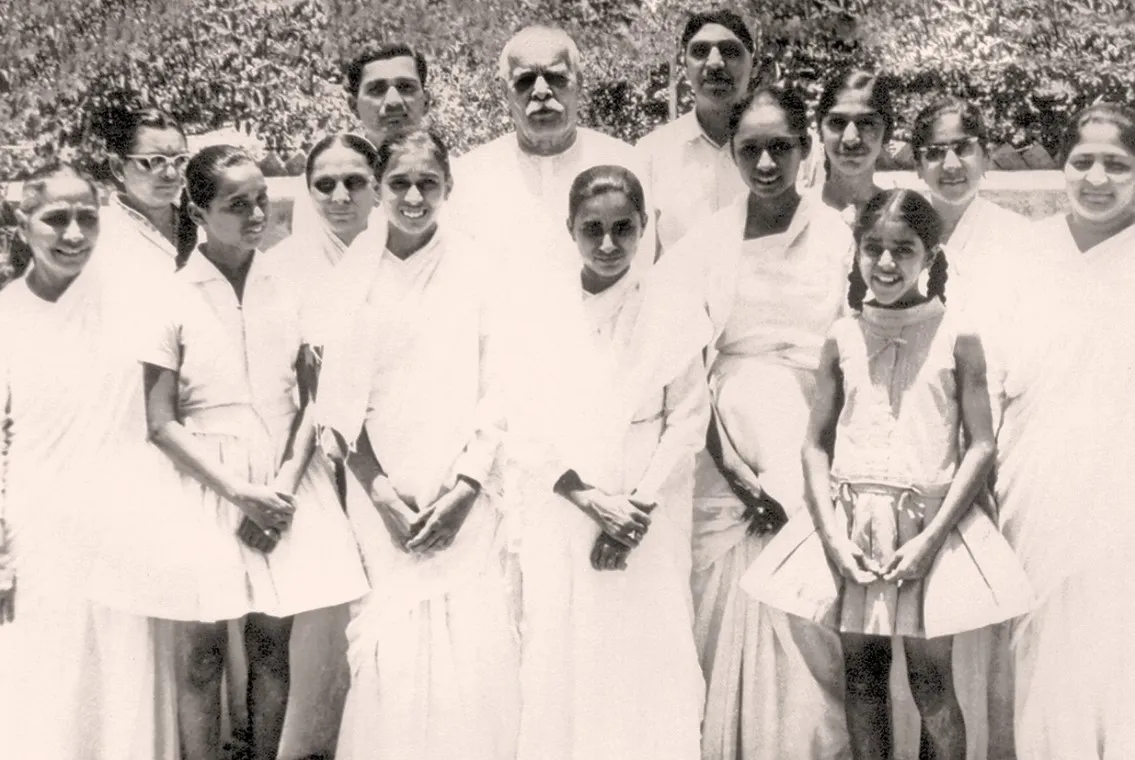
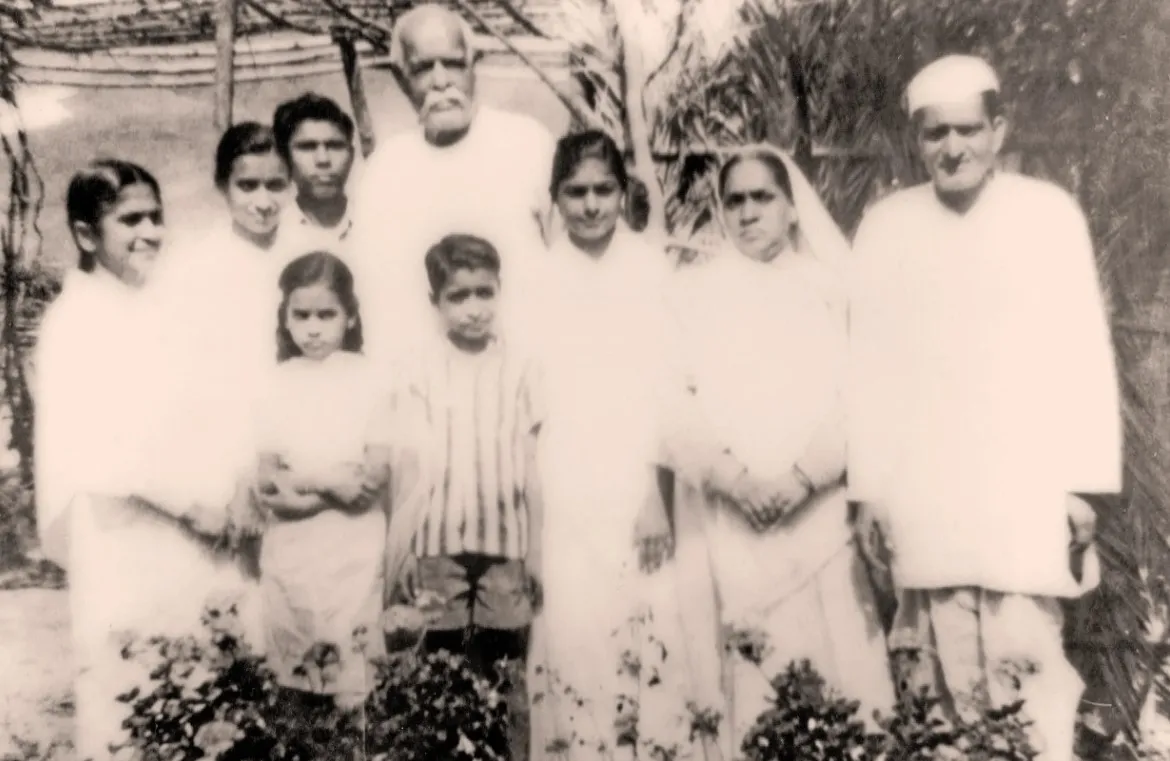
Her composure is rooted in a life shaped by faith and nurtured by a spiritual upbringing. Born as Ranjan Pandya in Petlad, Gujarat, she was the third of eight siblings in a devout Brahmin family. Her father, a station master, was disciplined and deeply spiritual. Ranjan excelled academically, earning a Master’s in Philosophy and Psychology from Gujarat University.
Yet, something was missing. Encouraged by her sister Chandrika’s spiritual dreams and a stroke of providence, Ranjan found herself attending a Brahma Kumaris ‘Satsang’ (religious function) in 1965. The experience became her epiphany, setting her on an enlightening journey to becoming Sister Vedanti.
THE JOURNEY
Ranjan’s meeting with one of Brahma Kumaris’ most revered leaders, Dadi Janki, inspired her to travel to Mount Abu. There, she met Brahma Baba, founder of the Brahma Kumaris, and experienced an awakening that would define the rest of her life. Vedanti – One who has realised the essence of the Vedas – was born.
She dedicated six years of service to the Brahma Kumaris centre in Ahmedabad and then moved to the Bombay (now Mumbai) centre, where she worked closely with senior Sisters and was a favourite of the centre-in-charge, Dadi Pushpa Shanta. Sister Vedanti’s dedication and energy radiated peace. It made her a much loved, rising spiritual leader.
A chance encounter with an elderly visitor from Lusaka, Zambia, at the Mumbai centre, paved the way for Sister Vedanti’s journey to Africa. Deeply inspired by her, the elderly gentleman decided to open a Brahma Kumaris centre in Lusaka and requested Sister Vedanti to come lead it. In 1974, she moved to Africa, embracing a new continent. By 1978, she had established the Regional Coordinating Office in Nairobi, which became the headquarters for the Brahma Kumaris’ work across Africa. Under her leadership, spiritual and meditation centres have blossomed throughout the continent.
THE SPIRIT WITHIN
As Ranjan, she was surrounded by spiritual books and songs. She was never one for the material world. When Sister Vedanti was born, that inner divination grew into an immense tree of love, devotion, and compassion that continues to permeate her very being and touches every life that comes in contact with her. Her purpose is clear: to serve God through the path of Raja Yoga meditation. In her own words: “I aspired to spread spirituality globally.”
True to this vision, Sister Vedanti has become a shining example of how spiritual practice can be woven into everyday service. In every programme and initiative, her aim remains to cultivate peace, love, and oneness. With her quiet presence, she exemplifies the core of the Brahma Kumaris’ teaching that spirituality is not just about knowledge—it is about transformation, radiance, and compassionate action, and it is grounded in God’s remembrance.
THE LEGACY
Sister Vedanti’s commitment to continent-spanning service, leadership, and influence encompasses more than just establishing spiritual centres across countries, making the teachings of Raja Yoga meditation accessible across languages and cultures.
Her landmark initiatives have given spiritual awakening a new meaning. The Serve Africa Project brought the institution’s presence to nations previously unreached. The Write to God Project encouraged inner dialogue. Pause for Peace and Godly Power Bank promoted reflection and collective strength. She continues to move forward, be it leading the International BK Gujarati Retreat in Nairobi, regional programmes like ‘God — The World Benefactor’, or monthly meditations online.
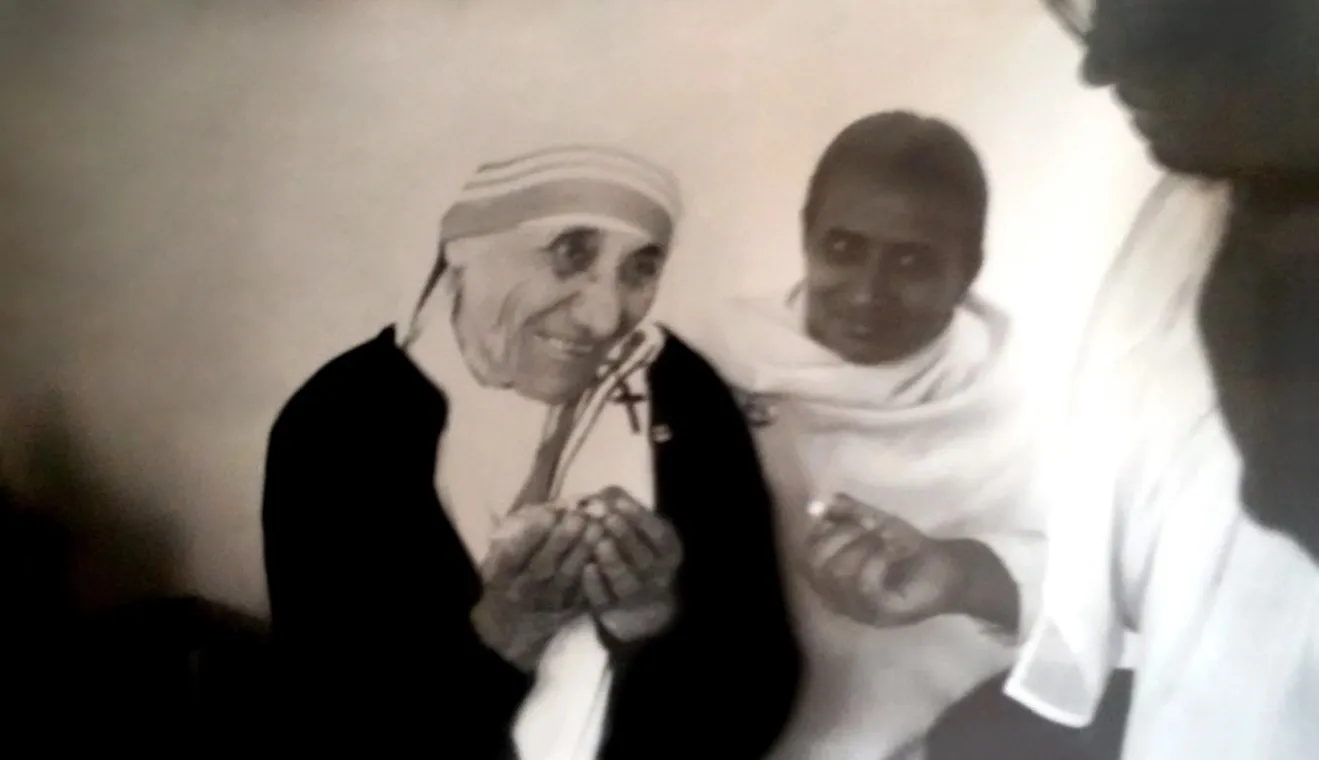
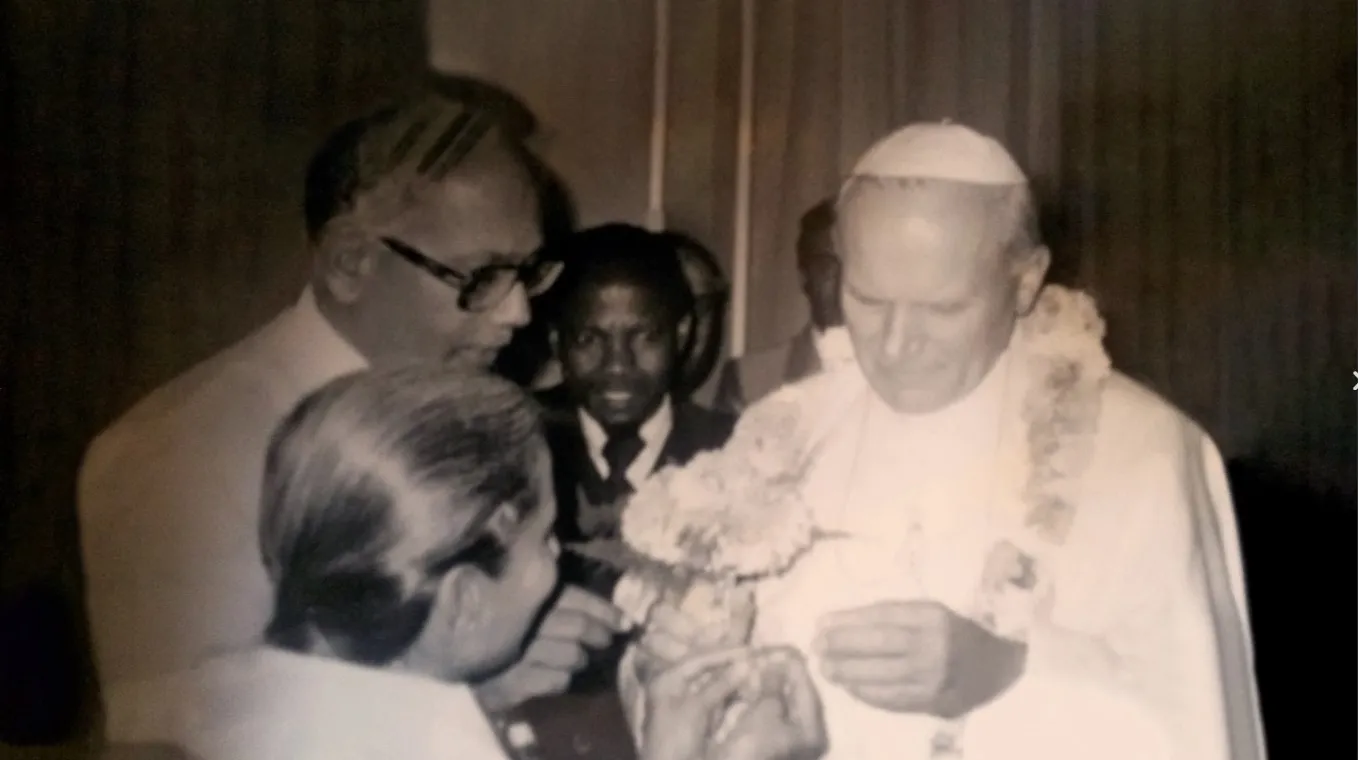
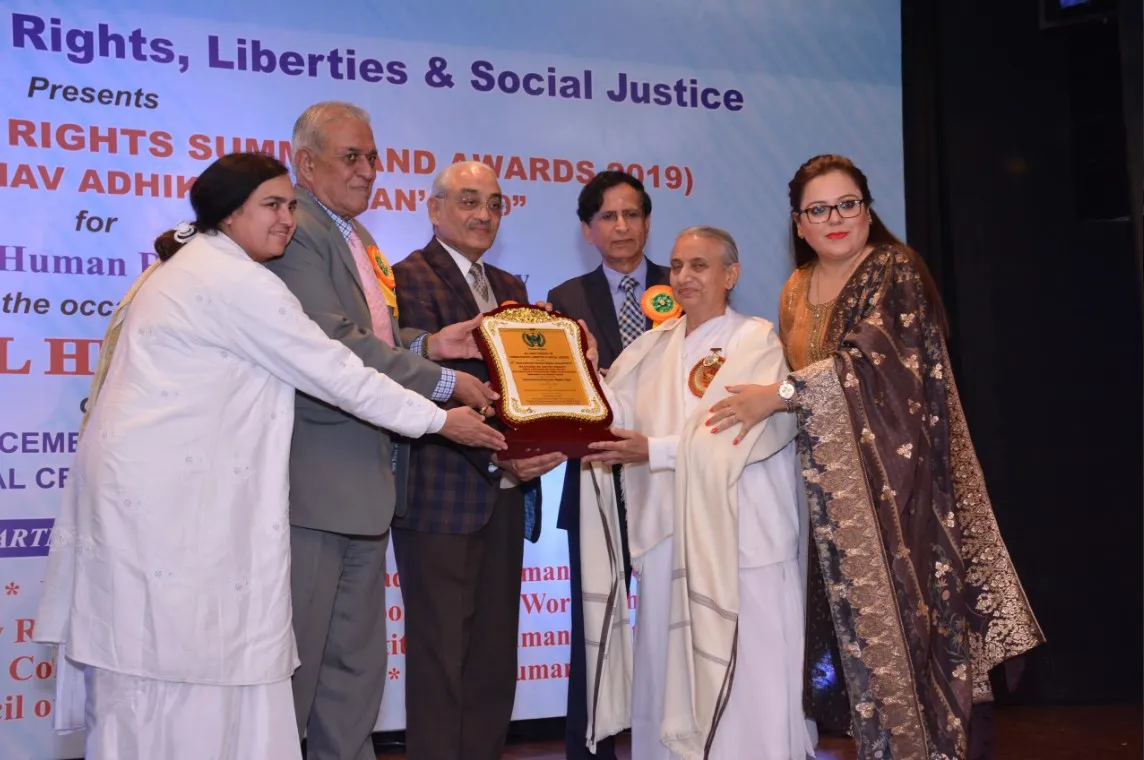
Sister Vedanti has rubbed shoulders with other revered leaders such as Mother Teresa and His Holiness Pope John Paul II and has received global recognitions, including the International Human Rights Award.
If one were to describe her in today’s parlance, Sister Vedanti is a spiritual influencer. But there are no orchestrated reels or theatrics involved. Her influence has created a world family that is united in peace, love, and divine remembrance.
But how does one really encapsulate the essence of someone who can stare down the barrel of a gun without flinching and offer pure compassion in return?
To capture Sister Vedanti’s radiant legacy in words would be like trying to catch rainwater in your palms. It is like the quiet flowing river that moves abundantly and freely.
MAPPING THE INDIA WITHIN
Bharat: Then and Now
“From childhood, I only knew Bharat. I had no knowledge of the world outside. I never read about other countries. There was only Bharat. “Even after fifty years abroad, whenever I return, I feel the fragrance, the vibration of Bharat. It hasn’t changed for me. I was born in a small village in Gujarat. Life was simple, traditional. When I visited recently, so much had changed — but my grandfather’s and great-grandfather’s houses stood exactly as they were.”
Bharatiya Values that Travelled
“In Bharat, our culture and values (the ‘sanskar’) are so deeply embedded. Throughout my travels, I have observed Indians being true to their values and culture even abroad. When I meet people, I always tell them I am from Bharat. I found my faith there. I received values and learned to live a meaningful life there. The love I felt for India in childhood has only grown stronger. I am my country’s ambassador, and I carry the message wherever I go.”
Generations Abroad: A New Bharatiya Identity
“Children born abroad haven’t seen Bharat. I ask them to visit and stay at our centres, experience the land, and slowly, but surely, they will begin to see its beauty. I never overtly praise India, but everyone can see the love I feel for it in the values I possess.”
Pride, Progress, and the Spirit Of Bharat
“In the past 50 years, I’ve travelled to more than 100 countries around the world, and my appreciation for Bharat has only grown. As I grew older and spent less time in Bharat, I began to value it more, especially after seeing other countries. I also meet so many Indians who live abroad and carry their roots and culture with them. Bharat’s spirit is respected even far from its land.”
Dreams for the Youth and Future of Bharat
“People say Bharat’s values are declining. I don’t believe that. I see Bharat progressing spiritually and globally. I believe that Bharat is ‘Sone ki Chidiya’ (a gold bird) and it will always remain one. To the youth, I say: “This is your world, your country. Be responsible. Carry good ‘sanskar’ (values). Today’s youngsters are tomorrow’s leaders. A strong spiritual seed in them can make Bharat a heaven once again.”
BACK TO THE FUTURE – IN FIVE MOMENTS
Food Cravings
THEN
We never ate outside. Whatever we wanted— ‘pani puri’, ‘samosas’—we made it at home. That’s how we were raised.
NOW
People don’t want to cook. They order in or eat out. I feel they are missing out on the joy that homemade food brings. It carries pure love and vibration that can never be found elsewhere.
Sport Spirit
THEN
We played games like sack races, hopping on one leg. I used to always win at staring contests.
NOW
Today’s children are glued to phones. They do everything while watching screens.
Music Tastes
THEN
We had a gramophone at home. My father loved songs and ghazals. Some lyrics touched us so deeply, we’d sing them over and over.
NOW
Today’s music feels shallow. It no longer carries that stillness or emotional depth.
Holiday Life
THEN
As a station master’s family, we’d travel to see grandparents or salt banks. Those were days of simple joys, homemade food, and togetherness.
NOW
Now, even in groups, people don’t talk to each other, and everyone is on their phones. Travel lacks the warmth it once had.
Leisure Habits
THEN
I read Swami Vivekananda and other religious texts. I didn’t go out or watch movies.
NOW
Screens dominate life today. I tell young people: don’t ruin life. Enrich it with values and purpose.
AKA
Sister Vedanti Regional Director | Regional Director Brahma Kumaris Africa | Brahma Kumaris Africa Regional Director | Spiritual Leader Sister Vedanti