Harshavardhan Neotia
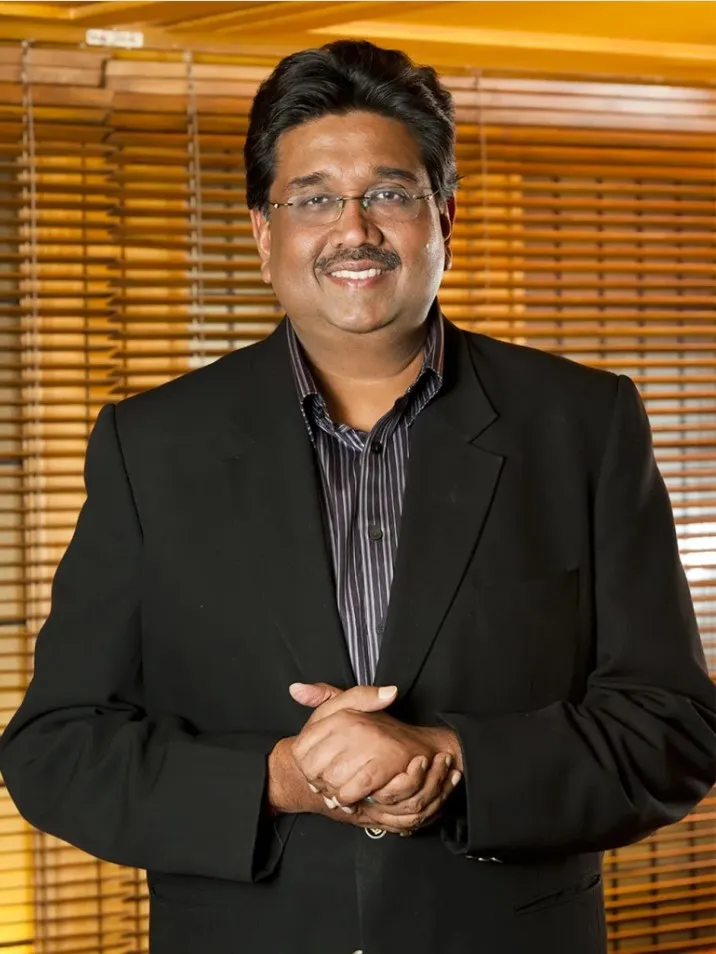
Chairman
Ambuja Neotia Group | Kolkata, India
Janma Bhumi:
Kolkata, India
Dharma Bhumi:
Rajasthan, India
Karma Bhumi:
Kolkata, India
Building Spaces, Beauty, & Purpose
The ‘Hardhvardhan’ Factor: “Make a small difference to the way people live, and let everything else follow.”
THE MAN
You may travel far, but the soil you grow from never quite leaves you. Kolkata, with its rhythm, warmth and quiet artistry, shaped him deeply. Born on 16 July 1961, and brought up in the city, he belongs to a Marwari business family that had migrated from Rajasthan to Bengal over a century ago. Their home was the classic joint family, disciplined and hardworking. Yet it was also unusually alive with music, art, and cultural conversations.
One small corner of that house, a rock garden created patiently by his Bari maa (aunt), became his earliest lesson in how spaces influence emotion. It was not extravagant, but it transformed the mood of the home. It remained a defining memory. Watching how thoughtful detailing changed a small courtyard made him wonder what such intent could do for a neighborhood or a city. His uncle immersed himself in riyaz (practice). So his childhood unfolded between business discussions, and in the next room, melodies, Vedic addas or debates over a new artwork.
Harshvardhan’s inner spirit is earthed in lasting truths he learnt from his elders – that trust is the foundation of life, reputation is built through unwavering transparency, and that people are relationships and not resources.
Even after studying and travelling abroad, including time at Harvard Business School, Boston, US, his inclination stayed anchored in India. Growing up amid Indian art, music, and philosophy, he built his lens to see where the modern and the traditional could coexist, an approach that continues to guide his work and his world.
THE JOURNEY
At a time when many young Indians were looking westward, his most defining decision was to stay. In the early 1980s, when friends packed their ambitions into suitcases for foreign lands, he felt a pull to build something on home soil. It was after college, while he was immersed in his family business, when an ordinary dinner table conversation gave birth to the idea of his first real estate project. He had no technical background, only curiosity, conviction and the will to learn from scratch. Those first steps were anything but easy.
He found himself navigating lenders’ doubts, cautious contractors, design reviews, site challenges, and approval processes. An architect on that project introduced him to the world of architecture and design. That mentorship opened his eyes and shaped him profoundly, sparking an interest that would later define much of his life’s work. Today, he is the Chairman of Ambuja Neotia Group, a company founded in 1950 by Harsh’s father, late Shri Vinod Neotia along with his brothers.
Through his unique ability to breathe life into structures, he has, over the years, reshaped Bengal’s landscape with iconic and trailblazing works. His ventures expanded from social housing like Udayan to townships, city centres, hotels, hospitals and educational campuses. Now, leading the Profits and growth, he believed, should follow purpose, not precede it. Harshvardhan has also served as a Past President of FICCI.
He faced his share of setbacks too. Markets shifted, projects stretched, ideas outran their time. But adversity taught him to separate intent from outcome, to listen to honest voices, and to keep moving forward without losing the values that shaped him.
THE SPIRIT WITHIN
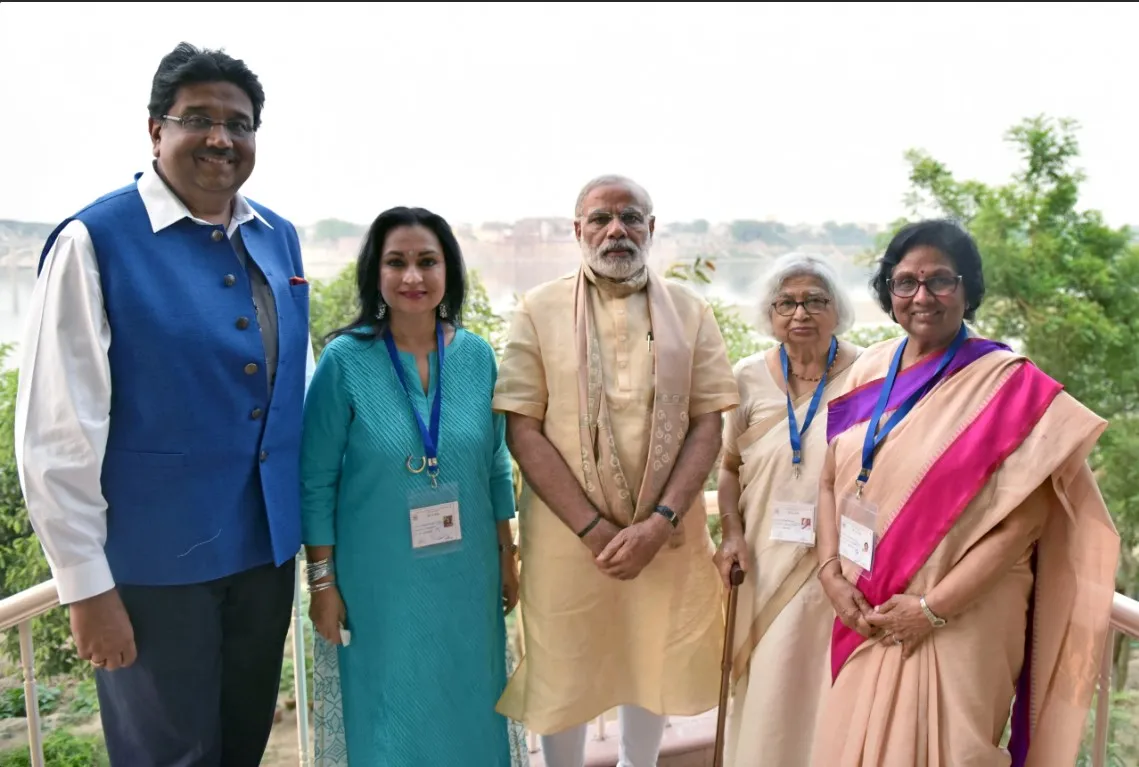
His inner world has always been shaped by culture, heritage and the wisdom of India. What began as personal interest gradually evolved into meaningful involvement with institutions that safeguard India’s artistic and spiritual legacy. Through organisations such as Jnana-Pravaha in Varanasi, the Indira Gandhi National Centre for the Arts, the National Culture Fund, the West Bengal Heritage Commission and the Somnath Temple Trust, he has contributed to initiatives that preserve heritage, restore traditions and keep knowledge systems alive for future generations. The creation of Jaya Hey 2.0, bringing together 75 distinguished musicians to reinterpret Tagore’s Bharoto Bhagyo Bidhata, stands as one of his most cherished contributions, an artistic tribute to India’s unity and spirit.
Social impact, especially in healthcare and education, forms another pillar of his work. From women and child hospitals to healthcare facilities, The Neotia University, his efforts reflect a consistent belief that quality care and learning should reach regions that often remain underserved. His early involvement in social housing, including one of India’s first public-private partnerships and the Udayan project, which went on to be recognised as a “Model Housing Project” strengthened his conviction that dignity in living is a powerful form of social transformation.
Spiritually, he draws deeply from the Ramakrishna–Vivekananda tradition, shaping an outlook where work, leadership and service align with dharma. Intersecting the Marwari entrepreneurial ethos and Bengal’s creative culture, he blends discipline with sensitivity, building with purpose, integrity and an instinctive respect for people and place.
THE LEGACY
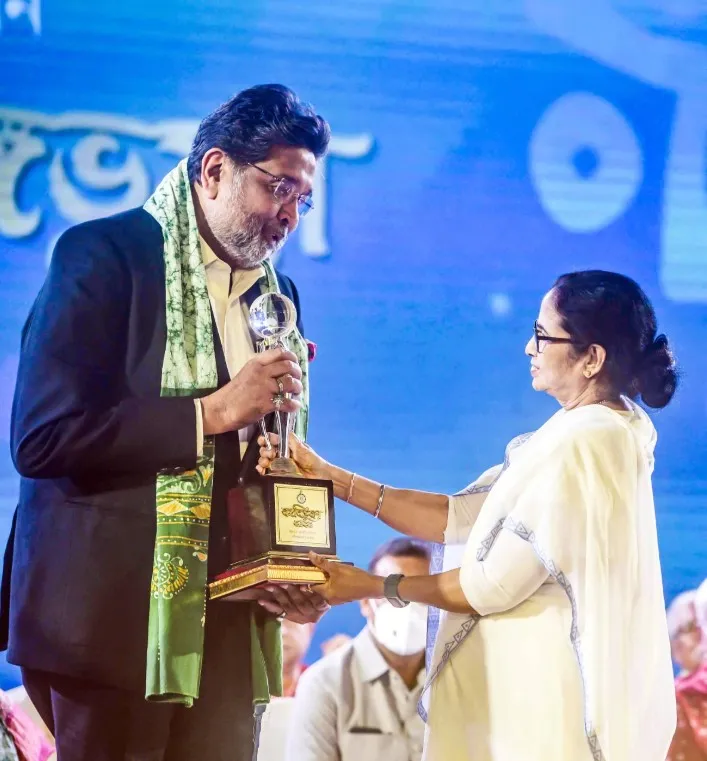
Over the years, he has been honoured with the Padma Shri, the Banga Bibhushan, the YPO Legacy of Honour Award, multiple honorary doctorates and an Honorary Life Fellowship from AIMA. Yet he views these not as laurels but as calls to deeper responsibility, affirmations of trust that he strives every day to uphold.
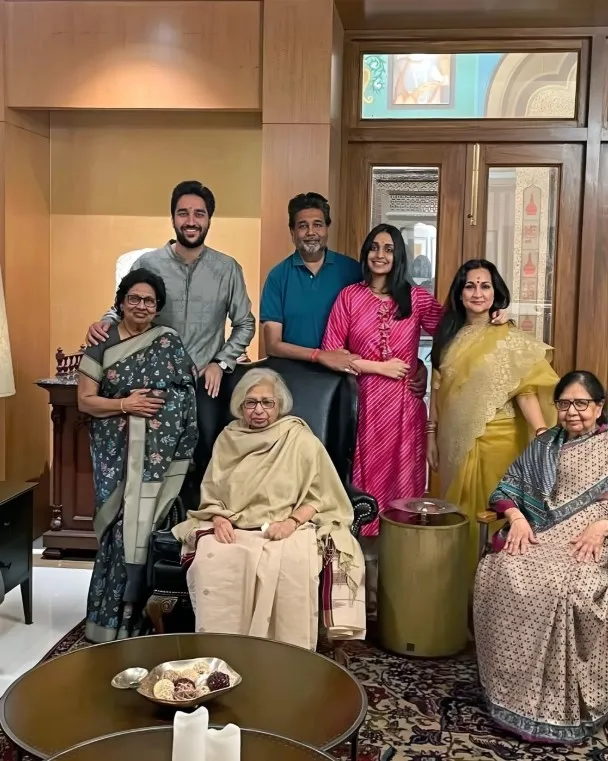
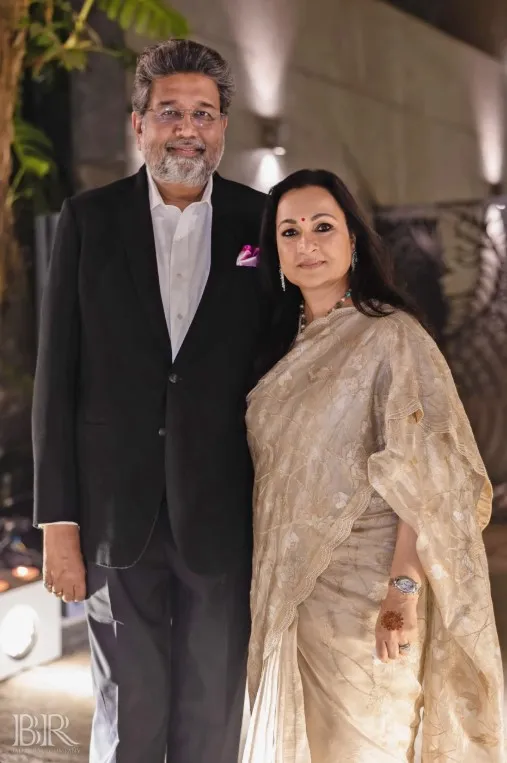
His family forms the quiet strength behind this journey. His wife, Madhu, has been both stabilising force and creative partner, her aesthetic instincts often sharpening his own. They are blessed with a son – Parthiv and daughter – Paroma. They contribute to Harsh’s journey of keeping himself grounded by bringing out of the box, global ideas. To him, family offers honesty, balance and the reminder that work must enrich life, not consume it.
For him, legacy is not defined by buildings bearing his name, but by the atmospheres they create. If a student feels inspired walking through a campus he built, if a family breathes easier in a hospital corridor, or if a resident finds dignity in a thoughtfully designed home. He believes that is the true measure of what he leaves behind.
MAPPING THE INDIA WITHIN
Bharat: Then and Now
“As a child, Bharat was an almost mythic idea—history lessons, patriotic songs, Republic Day parades, and Rabindrasangeet. It was the land of freedom fighters and poets, but also the simple warmth of one’s own neighbourhood. Today, Bharat is a living, evolving civilisation, confident yet questioning, deeply rooted yet globally engaged, reflecting plurality and unity in diversity.”
Bharatiya Values that Travelled
“I feel most Bharatiya in my affection for our arts, nurtured by childhood surroundings of wisdom literature, classical music, folk traditions, vernacular architecture, and visual languages of India. Those early impressions shaped my eye and instincts, embedding an enduring sense of cultural sensibility and creative vision.”
Generations Abroad: A New Bharatiya Identity
“The younger generation in our family, like many young Indians today, engages globally while staying rooted in India. They travel, study, and work abroad, yet retain a desire to contribute home. What they carry forward is their choice; I focus on demonstrating values, fostering curiosity, integrity, and genuine interest in people and ideas.”
Pride, Progress, and the Spirit Of Bharat
“If there is one part of my journey that connects with Bharat’s pride, it is the belief that meaningful work can begin quietly, with modest means. Over time, it grows into institutions serving housing, hospitality, healthcare, education, and culture. I take quiet satisfaction knowing our efforts highlight Eastern India’s potential.”
Dreams for the Youth and Future of Bharat
“My hope is that the quality of surroundings—homes, schools, hospitals, public spaces—becomes less tied to income or location. By embracing India’s traditions of sustainability, community, and balance while staying open to the world, we can shape a modern future. To the youth: be fiercely curious, ethically grounded, and remember—Bharat is your anchor.”
BACK TO THE FUTURE – IN FIVE MOMENTS
Food Cravings
THEN
Simple pleasures meant street food like ‘puchka’, ‘jhalmuri’, ‘chai’.
NOW
The longest queues in Kolkata are for a good ‘kathi roll’. You will find me there.
Sport Spirit
THEN
We grew up playing gully cricket, seven tiles, and kho-kho.
NOW
Today’s children move between playgrounds and screens.
Music Tastes
THEN
Our music came from vinyl, radio, and live mehfils.
NOW
Now the playlists have become global, yet a timeless song unites everyone.
Holiday Life
THEN
Holidays meant train journeys, road trips to visit grandparents.
NOW
Now, travelling means international trips and luxury stays.
Leisure Habits
THEN
Reading, watching films, and conversations.
NOW
Now leisure time includes visiting malls, gaming, and OTT.
AKA
Padma Shri Harshavardhan Neotia | Honorary Consul of Israel in Kolkata/West Bengal | Founder of Bengal Ambuja Housing Development Limited | Past President of FICCI |
Past President of AIMA (All India Management Association) | Chairman of Ananta Centre