Dr. Sankar DasGupta
Professor of Practice, RKMVERI
Belur, Narendrapur, Kolkata, India
Executive Chair & Founder, Electrovaya, a Nasdaq Company | Mississauga, Ontario, Canada
Janma Bhumi:
New Delhi, India
Dharma Bhumi:
Brahmanbaria, Cumilla, (now in Bangladesh)
Karma Bhumi:
Mississauga, Ontario, Canada
Charged by Curiosity, Powering Social Good
The ‘Sankar’ Factor: “Stay curious, keep experimenting, and never stop learning.”
THE MAN
“Most children grow out of their ‘Why’ phase. The ones that don’t become researchers. Dr Sankar DasGupta is very much one of them. In his seventies, he’s still chasing ‘the why’ behind everything – from batteries to jackfruit trees, critical materials, nutritional science, to saxophones.
Dr DasGupta was born in New Delhi in 1951 to a family with ancestral roots in Brahmanbaria, Cumilla (now in Bangladesh). Growing up in Calcutta (now Kolkata), his childhood was filled with examples of rebellion, pioneering activism, and intellectual pursuits. His father, Manindra Nath, was a freedom fighter, student leader of Anushilon Samity, associate of Subhas Chandra Bose and Syama Prasad Mukherjee, later himself became a noted lawyer and academic. His mother, Pratima, was a pioneering lawyer, statistician, playwright and founder of one of the world’s first all-women’s theatrical societies in the 1960s. She also championed women’s sport — from cricket and football to mountaineering. “Education was more about the joy of learning and knowledge than about academic excellence. Nothing was forced upon us,” he recalls.
The DasGupta Chromosome has uniquely given him and his siblings an unrelenting drive for knowledge, integrity, and innovation — a genetic curiosity that refuses to settle for mediocrity. Perhaps that is why Dr Sankar DasGupta stands today as one of the most respected innovators in his field, continuing to push the research envelope far beyond the scope of a Nobel Prize cultivated in university labs.
THE JOURNEY
Having done his schooling in the Jesuit halls of St Xavier’s School, Calcutta, he decided to opt for ‘bhadralok’ (intellectually charged) conversations and ‘addas’ at Presidency College. Interestingly, he recalls getting into the prestigious Indian Institutes of Technology, but he chose curiosity over the conventional rat race. My dad had paid the IIT fees. But I was not very keen on a five-year engineering course. I told my parents that I’d rather take a three-year course in science. And nowadays, that would horrify the parents, but mine agreed without any complaints.”
Graduating in chemistry, he went on to complete his M.Sc. and PhD at Imperial College London, one of the world’s foremost institutions for chemical research. “At Imperial College, the chemistry department was very strong — we had three Nobel laureates when I was there. You could feel the energy; the students were usually quicker and sharper than their professors.”
His first invention came in 1973, at the age of 22. He invented a carbon-fibre electrochemical reactor — his first patent. “Commercialisation of this idea was financed by an oil and gas company from Toronto, which led to my first company, HSA Reactors, in 1975, working on industrial water pollution. ‘The Guardian’ newspaper (London) called it a breakthrough of the century and ‘Nature’ published it.”
His innovations soon extended to energy. In the early 1990s, long before electric vehicles became the buzzword, he helped pioneer lithium-ion battery technology.“I built the first Lithium-ion battery–powered electric car in North America, and later the first in Europe using a Daimler (Mercedes) chassis. Daimler went on to commercialise the model, inspiring industry giants such as Volkswagen, BMW, Tata, and Fiat to begin developing electric cars of their own.”
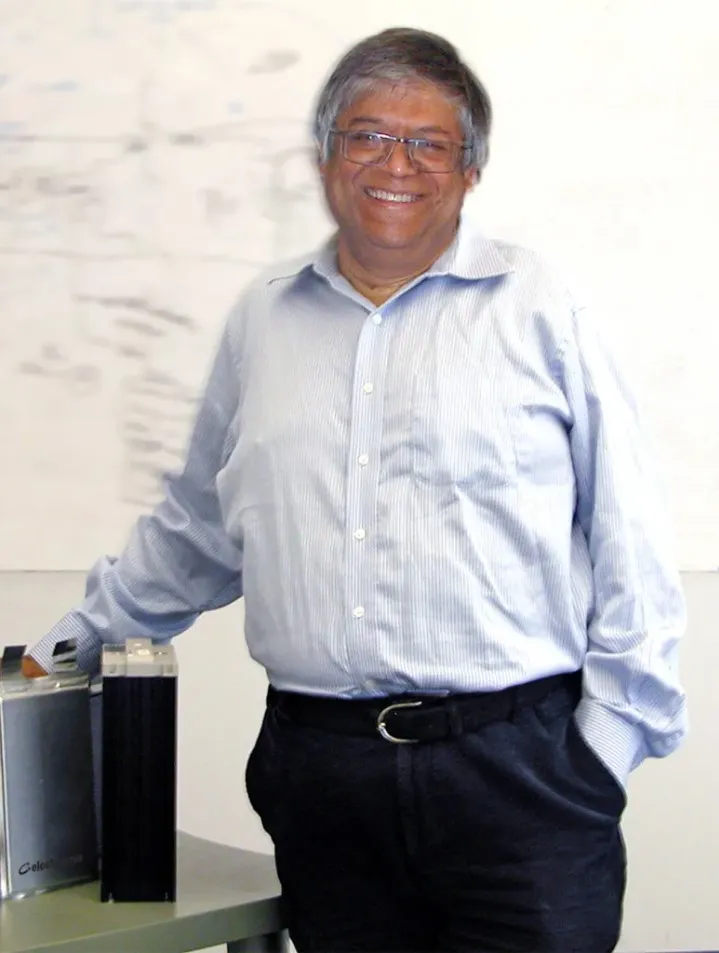
In 1996, he co-founded Electrovaya Inc. with Dr James Jacobs to commercialise their research. Today Electrovaya is publicly listed on NASDAQ and the Toronto Stock Exchange and supplies to major industrial and automotive giants including Daimler, Fiat, Toyota, Tata Motors, Walmart, Sumitomo, Unilever and others. Dr DasGupta is very proud of what Electrovaya has achieved. “We are now making what I believe is the world’s best battery. It’s got the highest longevity, highest safety, among other features.”
He is cognizant of current industry trends. He says, “The world is in an electrification phase, one of extraordinary global growth and energy transformation. “While the Western hemisphere continues to grapple with the side effects of post pandemic growth slumps, we are also looking Eastward. The global demand is unlimited. That is why we have opened a new subsidiary in Japan — Electrovaya Japan.”
He also continues to expand in the field of strategic and critical materials. “I purchased a materials company — Process Research Ortech. We deal with critical materials — rare earths, vanadium, gold, titanium, gallium.”
His pitch reaches unbridled excitement as he shares about his latest invention in materials science – an innovation with a potential market of US$15 billion in batteries, semiconductors and other fields.
THE SPIRIT WITHIN
“Today, I’m tackling a critical challenge – transforming the lives and opportunities of rural India with science. How can we use science to reduce malnutrition and create wealth in rural India, where 60 percent of India lives? Pregnant women in rural India consume food that might be rich in calories but often lacks basic micronutrients. India is home to nearly 30% of the world’s stunted children,” Dr DasGupta observes.
This led the scientist in him to turn inward to India and find a solution. As noble the cause is, to Dr DasGupta it is an experiment with a very tangible social impact that is being scaled to combat malnutrition and also create rural wealth. Kathal (jackfruit) is a superfood with an unusual density of proteins, vitamins & nutrients. We have donated about 4 lakhs kathal trees to rural women and children, which together can produce over a million tonnes of this superfood.
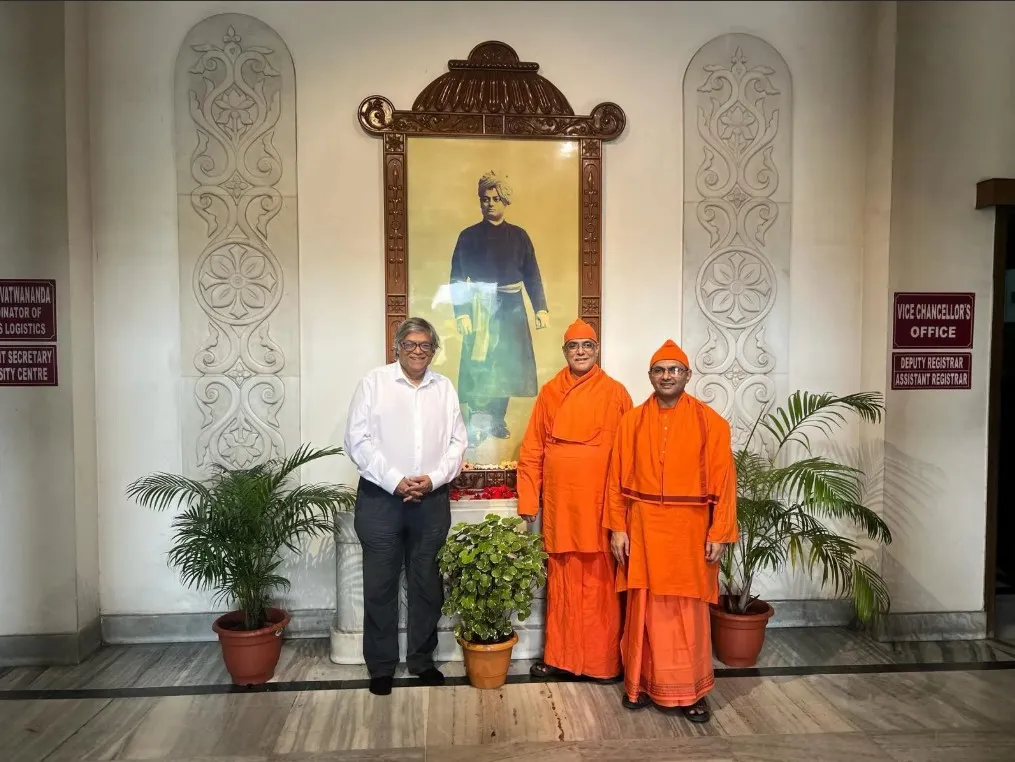
“I am funding and working with a 15-member research team at Vivekananda University—now RKMVERI, Belur—focused on low-cost, lab-grown cultivation of high-quality food plants. Superfoods such as kathal, pomegranates, blueberries, dates, and bananas are donated to women and children in rural communities. By 2025, over 9 lakh bananas and other superfruits were donated, creating new wealth among the rural poor. If we can increase village wealth through science, we can transform the nation,” he says.
Dr DasGupta’s brand of philanthropy is rare. It is one that combines science with intangible optimism. He admits, “I am an optimist. Us science people have to be. We try to bring light to the darkness of the unknown and uncertainty. Doing scientific research with detachment, without anxiety of failure is a lesson from the Bhagavad Gita I try to remember.”
THE LEGACY
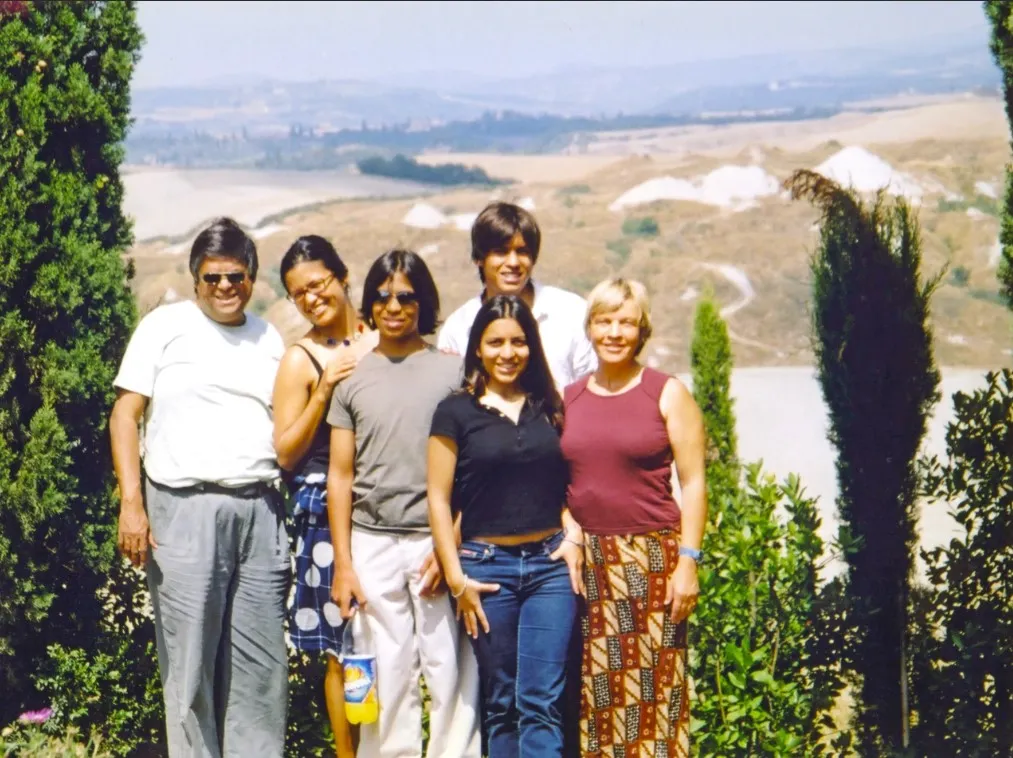
Dr DasGupta is married to Suzanne, whom he met while she was pursuing a degree in urban geography at the University of Toronto. Together, the couple have mapped intersections between their worlds and cultures, creating a conducive environment for their four children to grow into well-balanced individuals. Gitanjali is a consultant on climate change and electric vehicles; Rajshekar is the CEO of Electrovaya; Maya is an industrial designer, and Bhaskar is a professional equestrian.
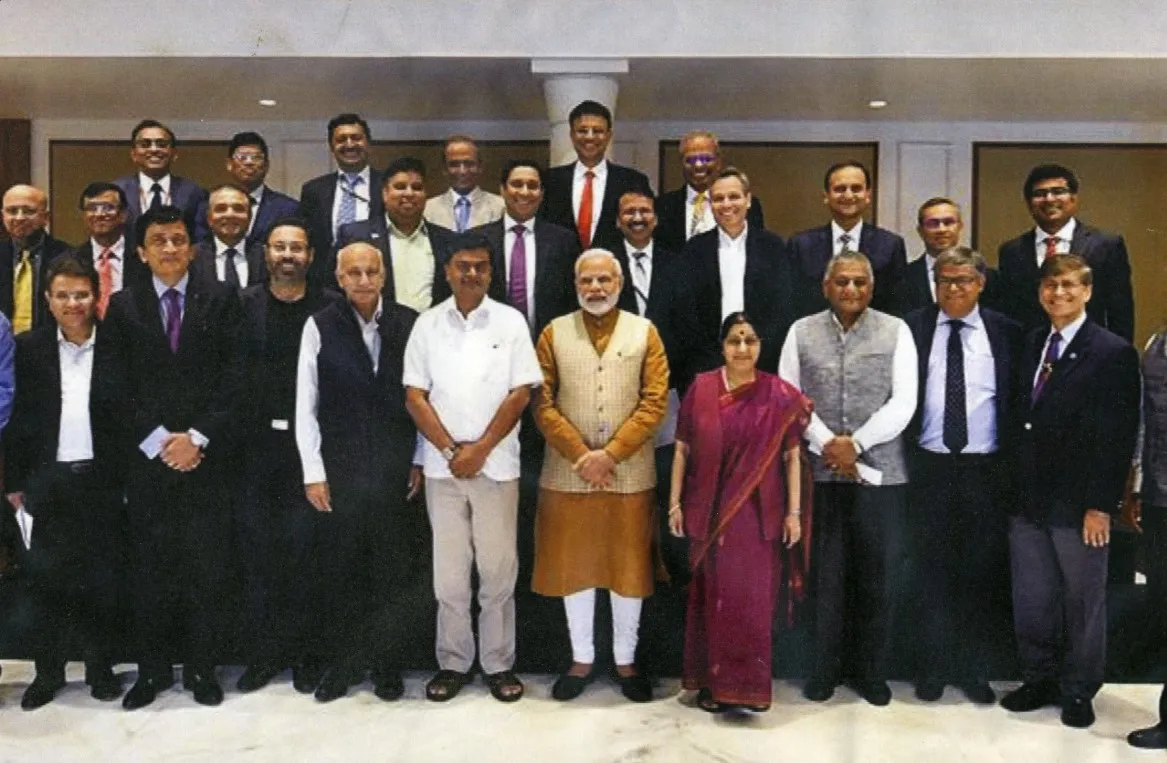
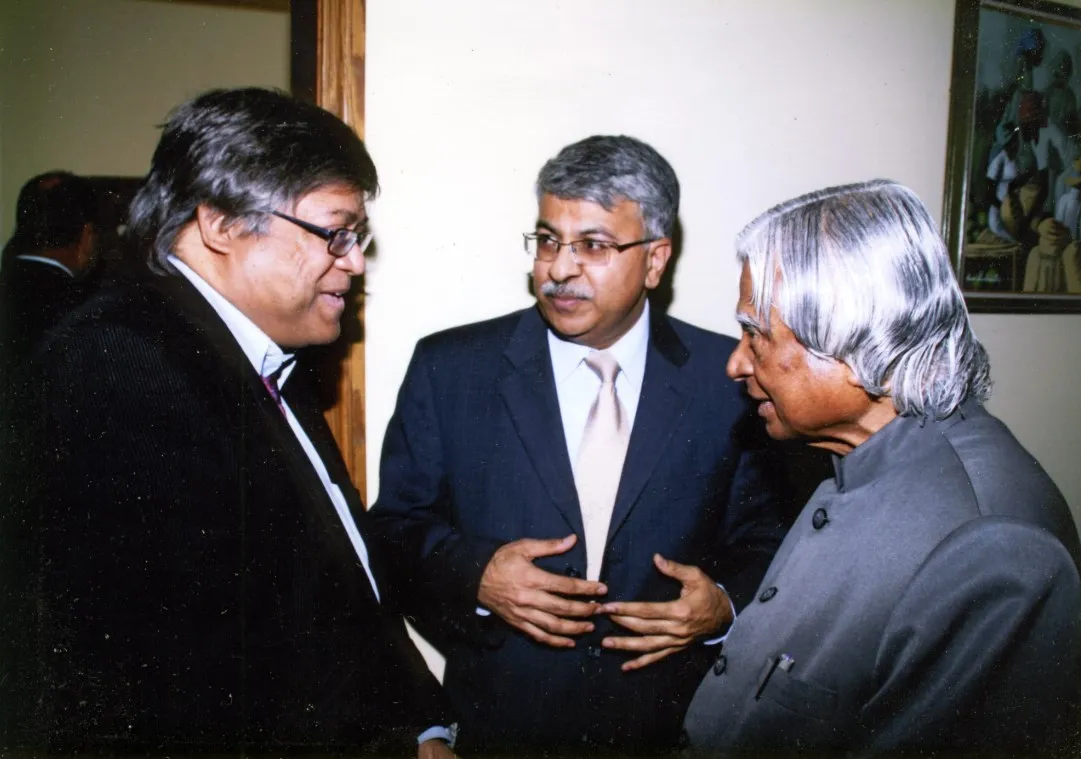
Dr DasGupta is a legend who has given the world long-life lithium-ion batteries that power electric vehicles, jackfruit trees that combat malnutrition and foster wellbeing, and is now working on a breakthrough in materials science. Awarded over 75 US patents, Dr DasGupta has advised Indian Prime Minister Narendra Modi on batteries, electric mobility and climate-change mitigation and was the only non-American member of the US White House Committee on Energy and Environment chaired by Al Gore in the 1990s.
Dr DasGupta finds his purest joy in exploration. To him, research is a puzzle — life is, too — and beyond the pursuit of outcomes, it is the process itself that keeps him invigorated and eternally optimistic. Much like a child who delights more in the box than the toy.
MAPPING THE INDIA WITHIN
Bharat: Then and Now
“I grew up in India where my father was part of the freedom movement. He went to British jails along with many young people. There were shortages of food and resources, yet we grew, intellectually nourished. That’s what Bharat has always been — fighting all odds and excelling.”
Bharatiya Values that Travelled
“I come from a very intellectually-driven family. My grandmother always pushed me to read, not for marks but for knowledge. The curiosity, hunger for knowledge, and passion for hard work has travelled with me everywhere.”
Generations Abroad: A New Bharatiya Identity
“I have given my children the same freedom that was given to me. We have not forced anything on them. They have lived and went to school in Kolkata and understand their roots. They are global citizens, adeptly balancing their culture, curiosity, and world perspectives.”
Pride, Progress, and the Spirit Of Bharat
“India is where Indians are. In Toronto, we have thousands of Indian families and never feel too far away. I can even find Kolkata chops and mesmerising bansuri (flute) players! India makes any country its own while embracing other cultures wholeheartedly.”
Dreams for the Youth and Future of Bharat
“I’m optimistic about India and its people. As we create rural wealth and eradicate poverty, we will be unstoppable. India is raising children to be risk-takers today, despite knowing that playing safe would be easier. I tell the younger generation — do what you love and don’t worry about the future. Aspirations, if pursued freely, will lead to success.”
BACK TO THE FUTURE – IN FIVE MOMENTS
Food Cravings
THEN
Oh, I grew up on traditional Bengali dishes, ‘puchkas’, ‘mishti doi,’ ‘ aloo chops’…and glorious ‘cha’ (tea).
NOW
I am a foodie. Canada has some of the best Indian restaurants. Also, every time I visit India, I indulge my cravings, Delhi Belly, What’s that?
Sport Spirit
THEN
I grew up playing gully cricket with a tennis ball. During my post-graduate years at Imperial College, I ended up playing county cricket for the university team and even became the highest scorer in a match against Cambridge University
NOW
I’m trying to teach my grandkids cricket, snakes & ladders and carrom.
Music Tastes
THEN
We grew up listening to Rabindra Sangeet, Kishore Kumar. Ravi Shankar (I even opened for him as a child — could be my greatest claim to fame!)
NOW
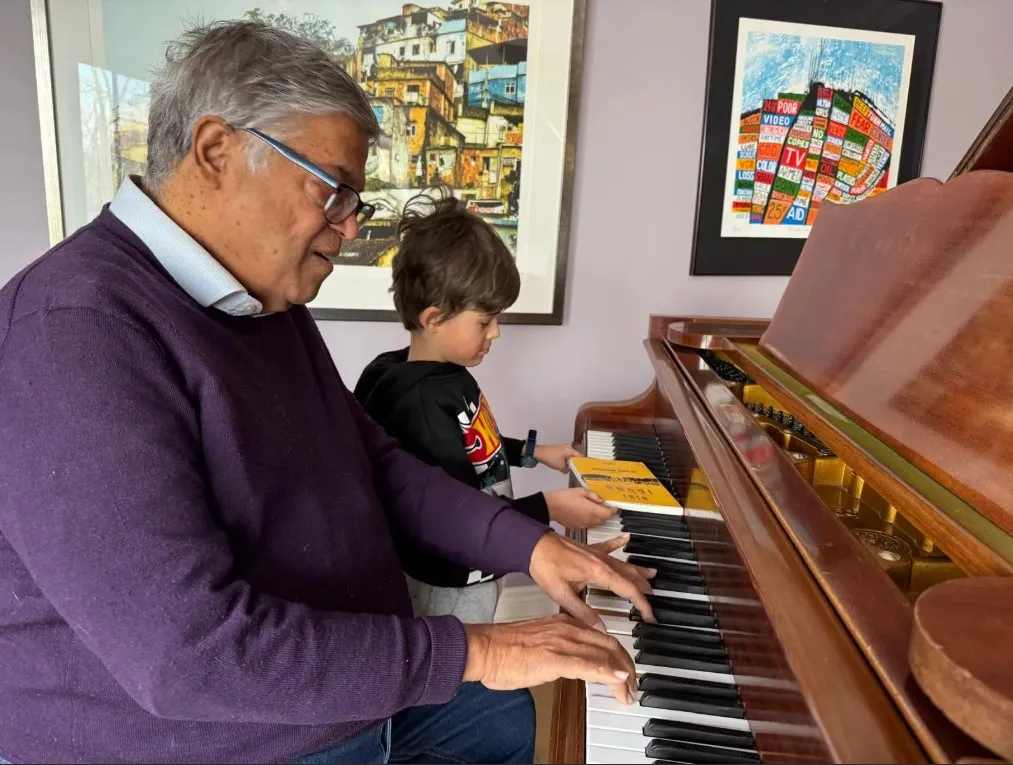
I play the piano. I recently bought a saxophone after hearing a trumpeter in an obscure UNESCO village. It’s so difficult trying to play it !
Holiday Life
THEN
We travelled a lot, but summers in Delhi with my maternal grandparents were the best.
NOW
I often travel and love islands. Our recent trip to the Andaman Islands was an extraordinary experience.
Leisure Habits
THEN
Leisure meant endless ‘addas’ with friends, cha and, of course, reading books.
NOW
I still read voraciously — mostly biographies – but the greatest fun is still playing in the laboratory.
AKA
Dr. S. Dasgupta Electrovaya | Sankar Dasgupta Electrovaya Founder | Prof. Sankar Dasgupta | Sankar Dasgupta RKMVERI