Dr Rewati Raman Sharma
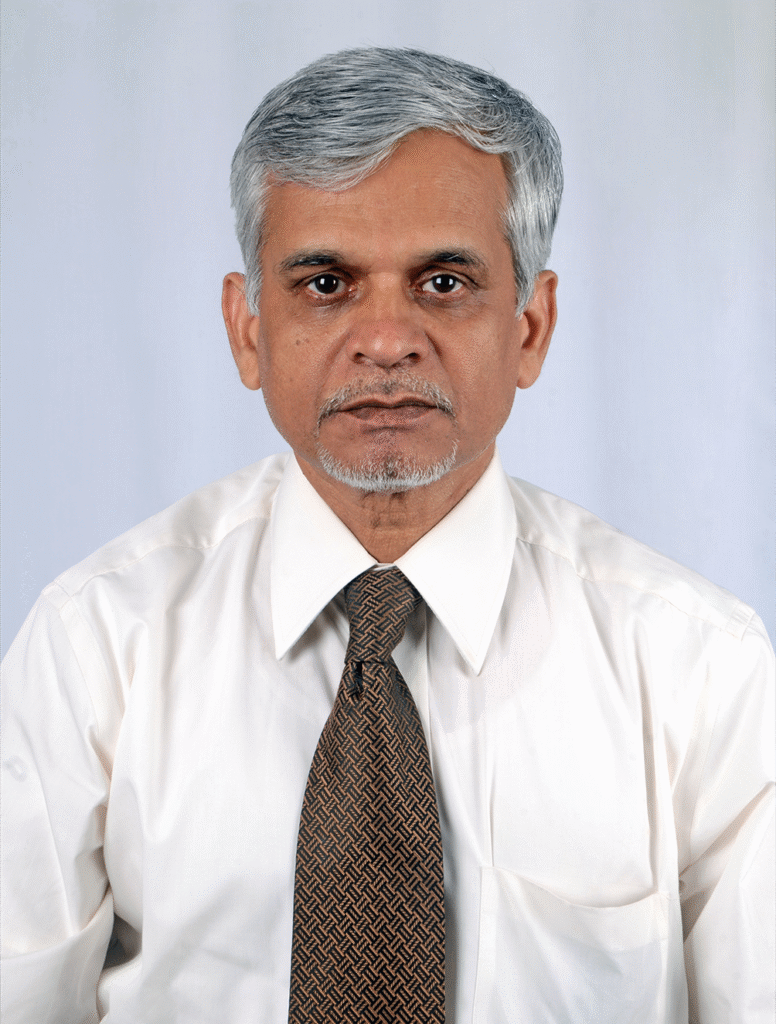
Senior Consultant in Spine and Neurosurgery
NMC Specialty Hospital | Muscat, Oman
Janma Bhumi:
Jaipur, Rajasthan, India
Dharma Bhumi:
Rajasthan, India
Karma Bhumi:
Muscat, Sultanate of Oman
Scalpel, Spirit, & Healing that Transcends
The ‘Rewati Raman’ Factor: “Dream big, work hard, and stay humble.”
THE MAN
They say the human brain is the most complex structure in the known universe. To touch it with purpose is to engage in an act of reverence. Dr Rewati Raman Sharma has been paying obeisance to this magnificently complex structure for over four decades.
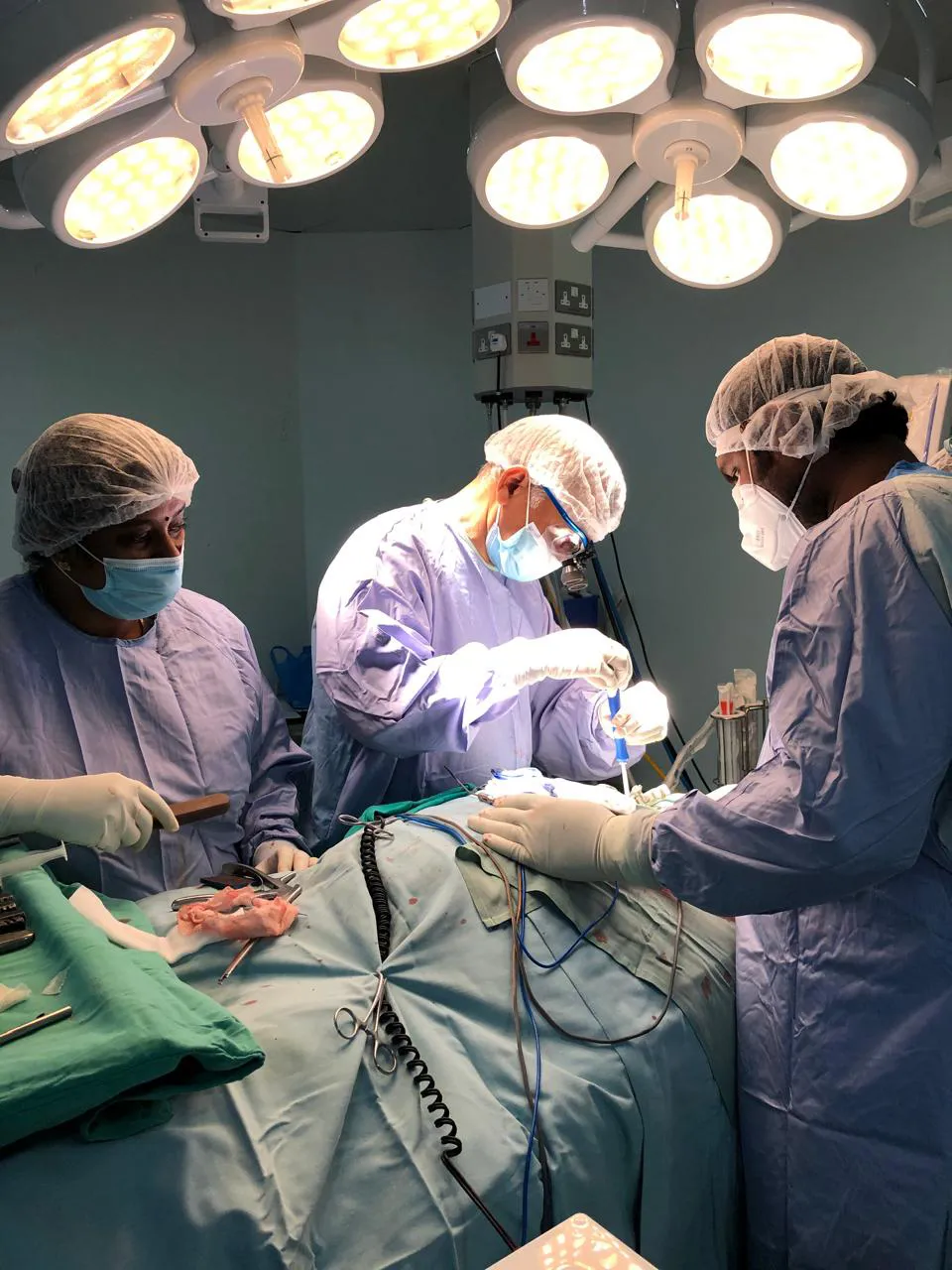
A gifted neurosurgeon, Dr Sharma does more than heal the brain; he touches lives with empathy and insight.
Dr Sharma was born on 16 July, 1953, in Jaipur, Rajasthan, to Mrs S.D. Sharma and Dr H.N. Sharma, both of whom deeply valued compassion, service, and the importance of education.
Growing up, Dr Sharma saw his father, a registered medical practitioner, as an early role model, who was actively involved in setting up primary health centres across Rajasthan.
Children learn the most from their parents and often follow in their footsteps. It was no wonder then that the young boy, who saw his father’s dedication to the medical service and community welfare, would one day decide to become a doctor himself.
Academically brilliant, Dr Sharma earned his medical degree from RNT Medical College in 1977, excelling both in academics and student leadership. He pursued postgraduate studies in neurosurgery at Seth GS Medical College and TN Medical College, KEM Hospital, and BYL Nair Hospital, Mumbai, where he was elected President of the resident and junior doctors’ body, an affirmation of his natural leadership skills and his dedication to medicine.
THE JOURNEY
Hard work and dedication can only take one forward. Dr Sharma soon spearheaded experimental neurosurgery programmes at GS Medical College and KEM Hospital. However, fate had other wonderful plans in store for him. In 1988, Dr Sharma answered a call from the Sultanate of Oman’s Ministry of Health. This became his most significant step towards his calling of medical service.
Dr Sharma relocated to Muscat, Oman’s capital city, to establish the neurosurgery department at Khoula Hospital. He has been instrumental in the transformation and creation of a full-fledged department offering complex surgeries that were previously outsourced overseas. He later honed his skills in the UK under leading surgeons before returning to Oman in 1996. And, he has never looked back since.
THE SPIRIT WITHIN
Through his leadership at both Khoula and Atlas Hospitals—and now NMC Specialty Hospital, Dr Sharma has not only transformed clinical services but also created training programmes and research initiatives. “Research,” he says, “often originates from a question, an enquiry, an idea, a requirement, or a need.”
Questions that an accomplished doctor like him keeps asking and pursuing even when he has well-earned the right to sit back and enjoy his laurels.
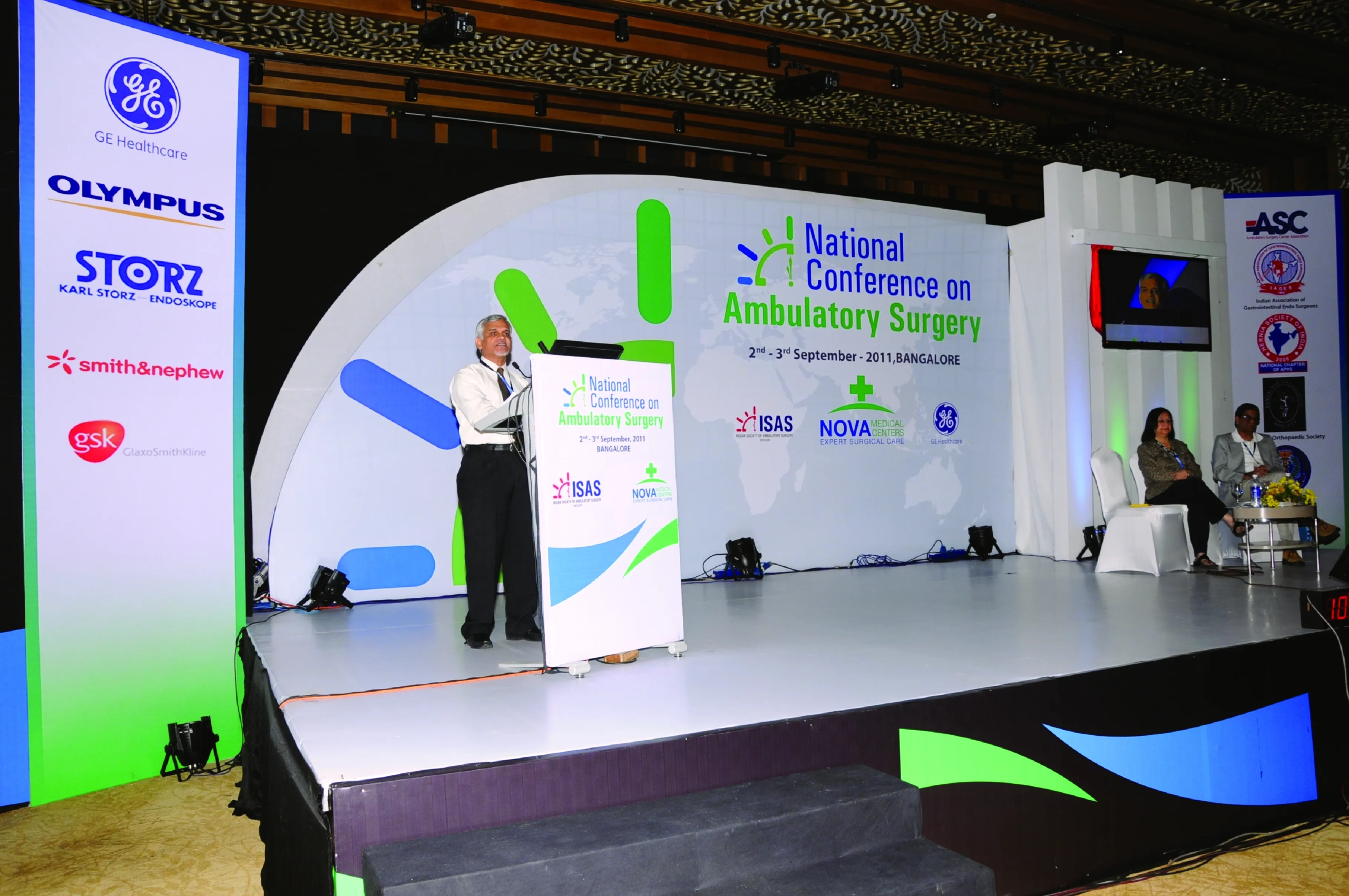
Dr Sharma is a man of science, no doubt. But that does not interfere with his humility. He believes in growing humble as one grows, and this has guided his life as much as it has his medical ethos and success. Over the decades, Dr Sharma has trained generations of doctors and healthcare professionals, leaving an indelible imprint on the region. His contributions include chapters in international neurosurgery textbooks and a lifelong belief in evidence-based medicine as the path to patient safety and surgical success. He has served as the Chairman of Staff Development Committee at Khoula Hospital, where he designed inclusive educational programmes for surgeons, nurses, and allied staff.
THE LEGACY
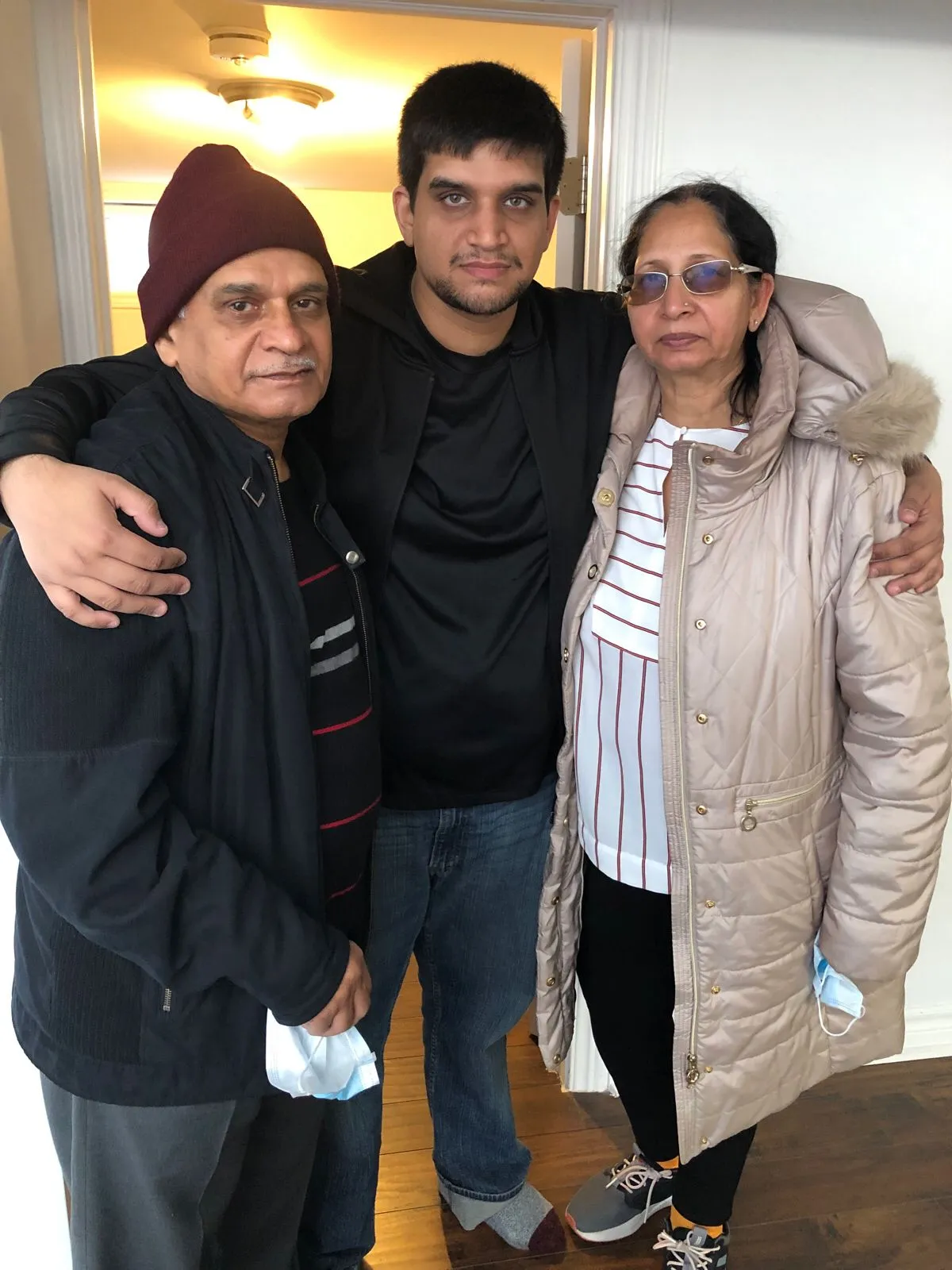
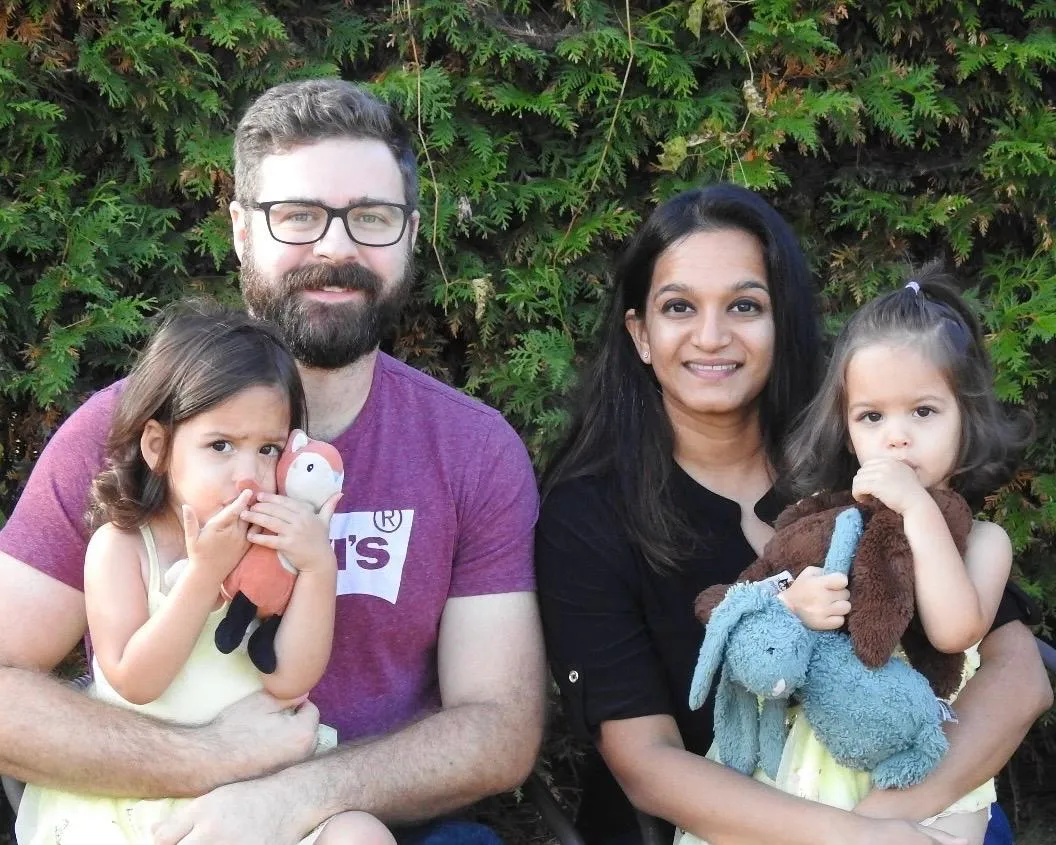
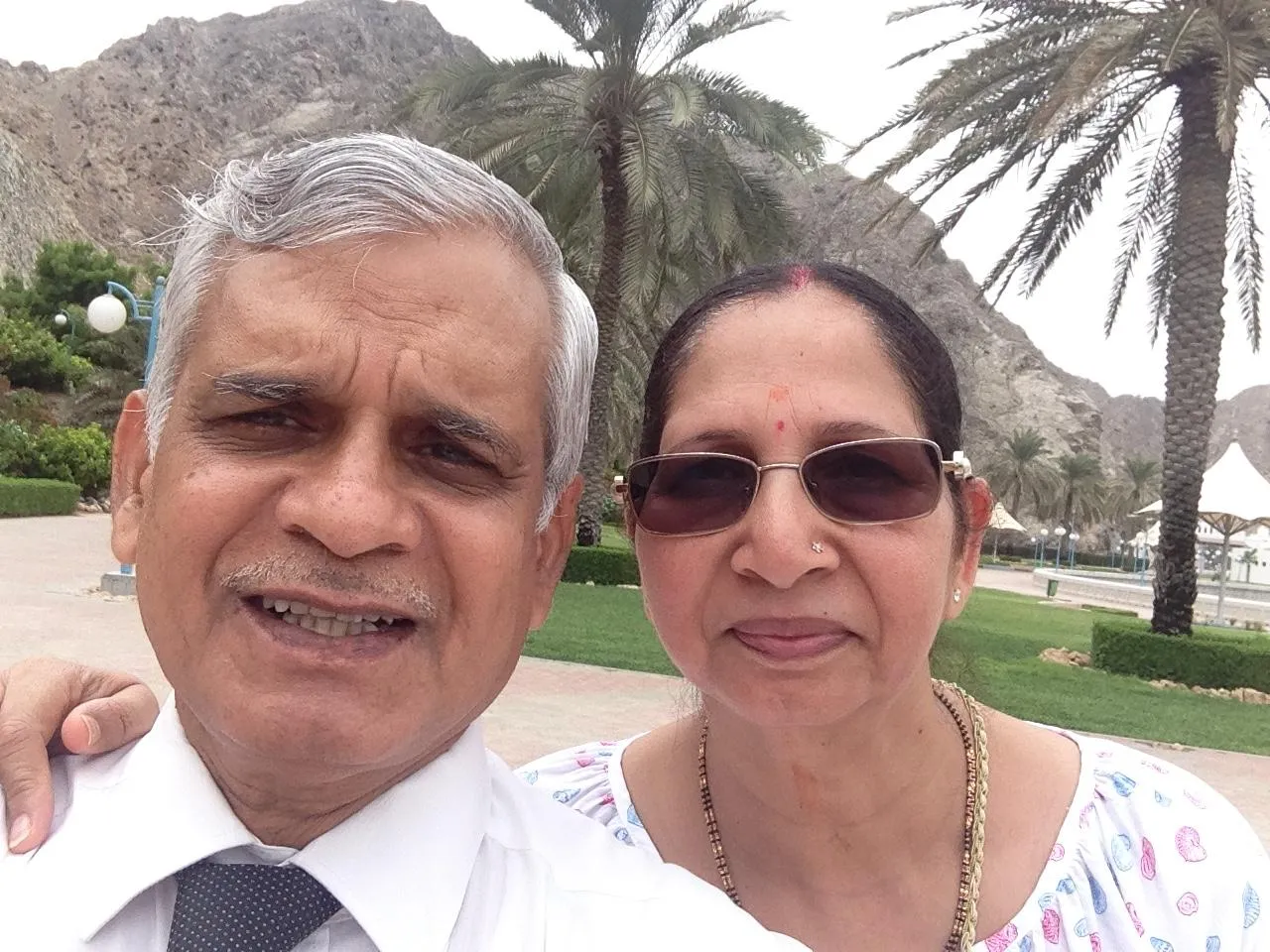
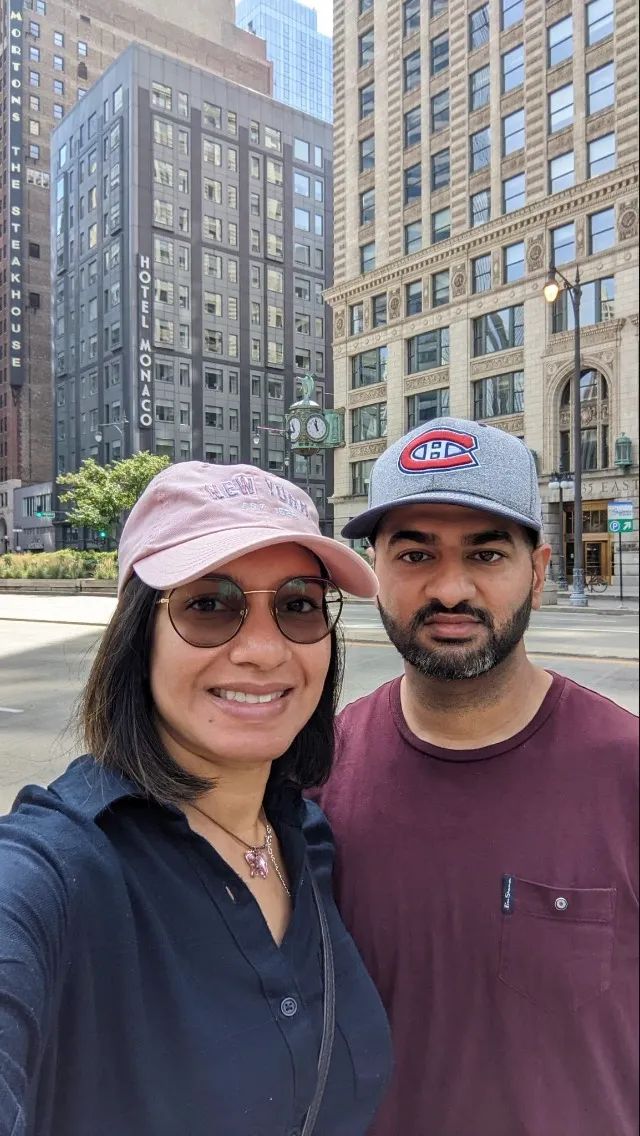
As any accomplished spouse will attest, Dr Sharma’s wife, Vani, has been his pillar of support, helping transcribe research, organise work, and looking after the family. All the while, Vani has also carved a place for herself as a dedicated social worker who is a beacon of hope for children with disabilities in the community. Dr Sharma and Vani have instilled the same values of honesty, integrity, and selfless service in their three children – Natasha, Apollina, and Ashoka – who are on their own path to success.
A known name in Oman’s medical circles, Dr Sharma’s legacy extends far beyond the precision of his scalpel. His spiritual grounding, nurtured by an Indian upbringing, enables him to look beyond the medical problem and treat it with empathy and compassion.
So, if one had to debate what Dr Sharma’s true legacy might be, it would be a short one and the outcome would be unanimous – reflected in the countless patients who have been given a new lease of life through his care. And for Dr Sharma, that is the only reward one can hope for. “After all”, he says, “There is no better sense of satisfaction than when we treat our patients logically and effectively.”
MAPPING THE INDIA WITHIN
Bharat: Then and Now
“The land in which the mighty King Bharat was born was called Bharat Varsha. The word ‘Bharat’, derived from Sanskrit, means ‘one who is in search of light or knowledge’. India has always been historically known as Bharat, and that idea of a civilisation seeking wisdom has shaped my understanding of our identity.
“Growing up, I experienced a world where families and neighbours genuinely cared for one another, and children thrived under the watchful eyes of an entire community. Streets were open and welcoming, filled with trust, play, and human connection. Today, that world has changed—crowded streets, safety concerns, and modern lifestyles have reshaped our interactions and community bonds.”
Bharatiya Values that Travelled
“From Jaipur to Bombay and onward to the UK, Canada, the USA, and Oman, my journey has been shaped by hard work, resilience, and values rooted in my Indian upbringing. I was guided by compassionate mentors and a spirit of growth that still anchors me. The legacy I carry is simple: serve with humility, act with kindness, and let your actions speak louder than words—while honouring your roots, caring for your elders, and passing on our cultural and spiritual heritage to the next generation.”
Generations Abroad: A New Bharatiya Identity
“Rooted in India’s spiritual and cultural values, I believe a disciplined, purposeful life brings true fulfilment, no matter where we live. I believe that a life lived with purpose and a positive attitude can weather any storm. My children have grown up with hope, courage, and hard work, guided by a progressive outlook.
“For me, being Bharatiya is the deep-rooted cultural and spiritual identity that reflects in how we treat others — with care, compassion, and competence. Be it my personal or professional, this sense of care and concern defines my relationships and responsibilities. It creates a bond of reliability and trust.”
Pride, Progress, and the Spirit Of Bharat
“India’s true strength lies in its diversity. It is the birthplace of many of the world’s great religions and has nurtured them all in harmony. The concept of living together peacefully, while embracing different beliefs and traditions, is what makes Bharat extraordinary. That is the pride and spirit I carry wherever I go.
“If I had to describe my Bharatiya ‘Safar’ in one line, I would say: ‘Unity in diversity’. India is a land of many religions, languages, festivals, and cultures. It is this mixture that makes our nation strong and beautiful.”
Dreams for the Youth and Future of Bharat
“To the youth of India, I say this: National Youth Day is a powerful reminder of the role you play in shaping our nation’s future. Swami Vivekananda inspired generations by telling them to believe in their boundless potential. Carry that message forward—with knowledge, courage, progress, and above all, compassion.
“As for India, my greatest dream is to see my country become a society where every citizen can live with confidence and dignity. I hope for a future built on a strong, dependable political system, vibrant democracy, and zero tolerance for corruption. I want to see a society free from casteism, gender inequality, religious discrimination, and economic despair. I want to see a Bharat where harmony prevails.”
BACK TO THE FUTURE – IN FIVE MOMENTS
Food Cravings
THEN
We loved ‘pani puris’ from bicycle vendors, shared by families on open streets.
NOW
Now they are served in upscale eateries, minus the humble charm.
Sport Spirit
THEN
‘Gilli-danda’ (stick and ball game) and street cricket filled our afternoons.
NOW
Stadiums and screens have replaced simple street play.
Music Tastes
THEN
Kishore Kumar, Lata Mangeshkar, Mohammed Rafi—voices that stirred the soul.
NOW
Global beats rule, though old melodies linger.
Holiday Life
THEN
Trips to ‘Nani’s’ (maternal grandmother) house, filled with love and stories.
NOW
Resorts and airports, but less rooted warmth.
Leisure Habits
THEN
I loved reading books, playing cards, and watching ‘Ram Leela’.
NOW
Screens seem to rule. People are chasing joy differently.
AKA
Dr. Rewati Sharma NMC Specialty Hospital | Dr. Rewati Sharma NMC Hospital Muscat | Senior Consultant Neurosurgery NMC Muscat | NMC Specialty Hospital Spine Surgery Expert