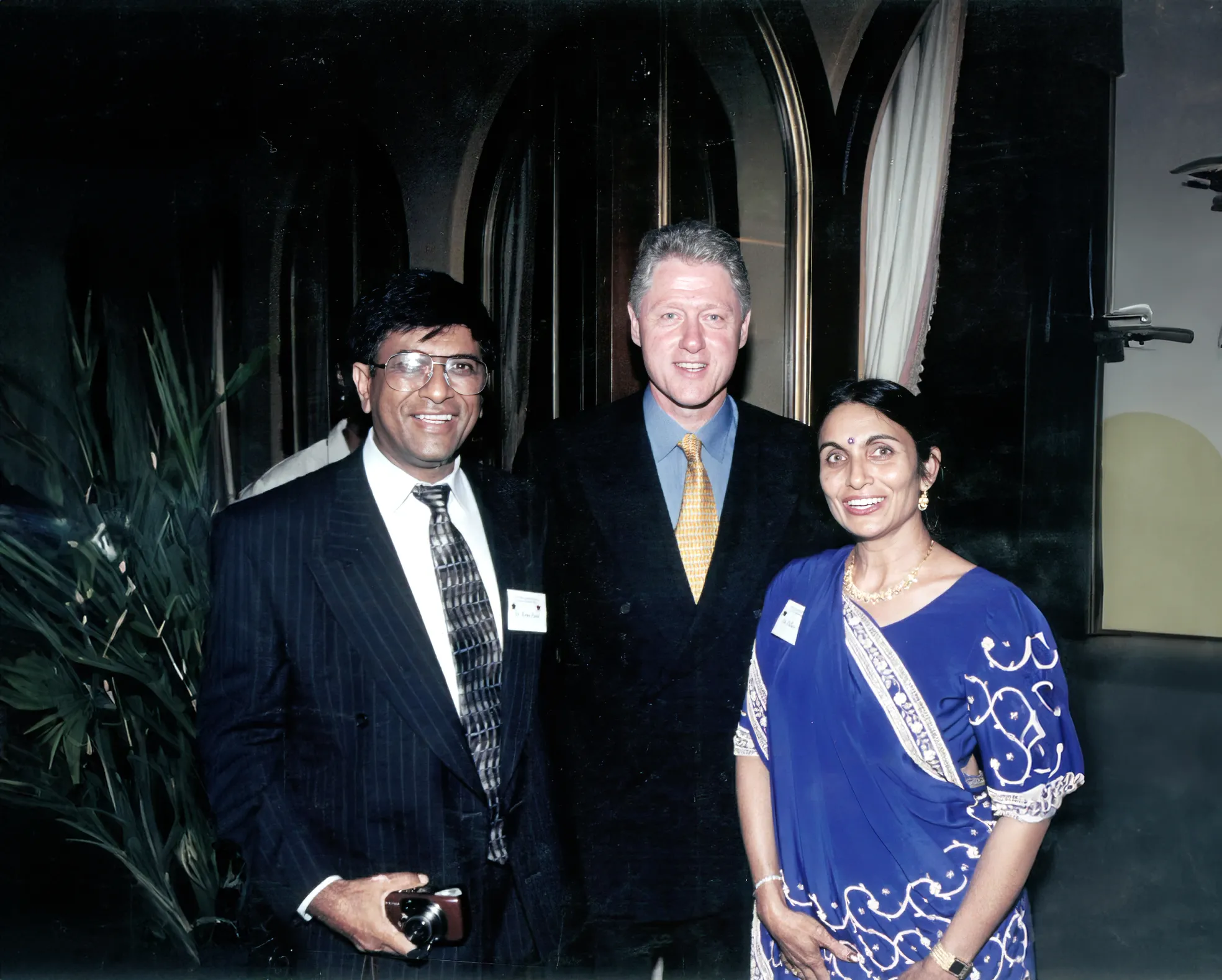
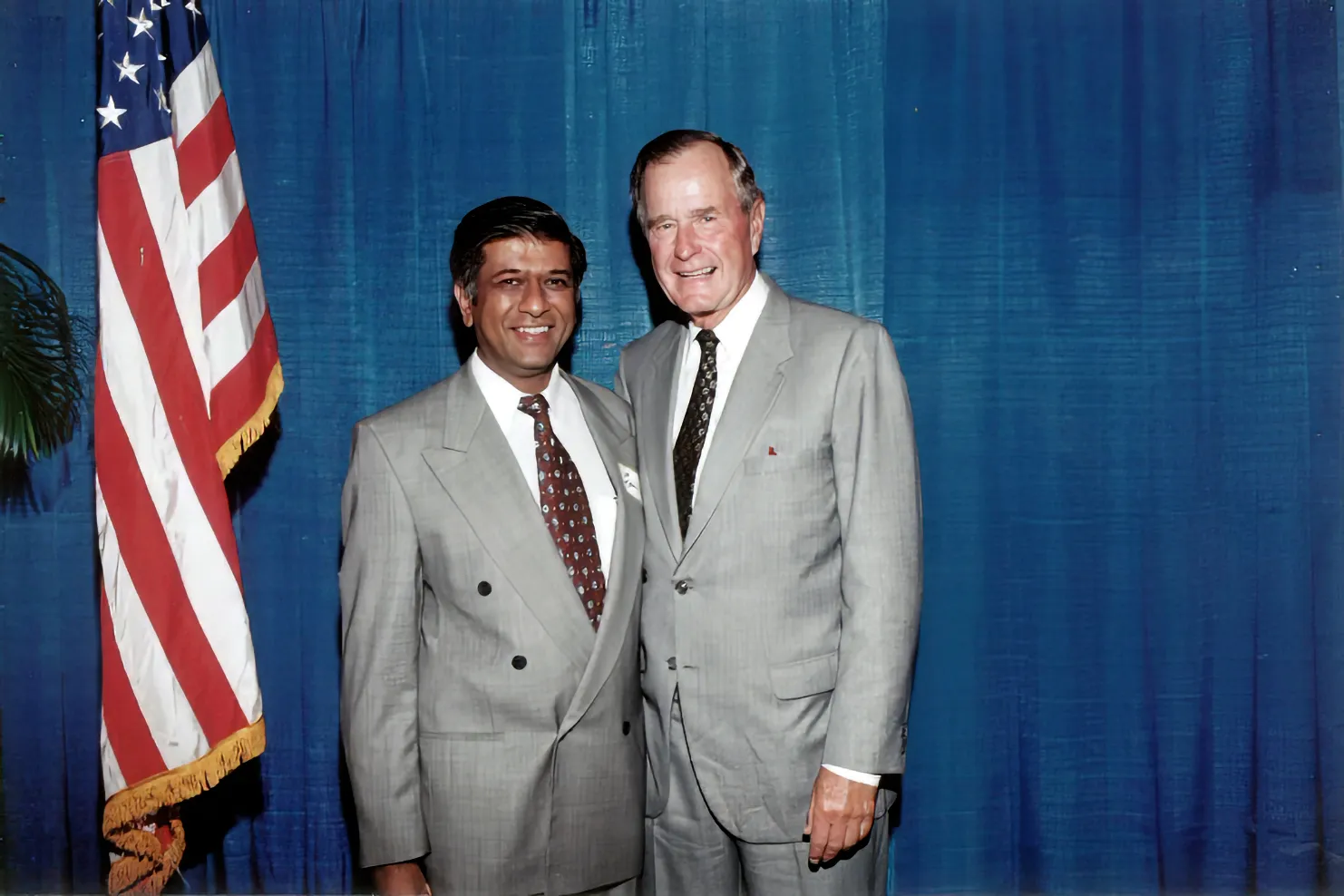
Drs Pallavi & Kiran C Patel
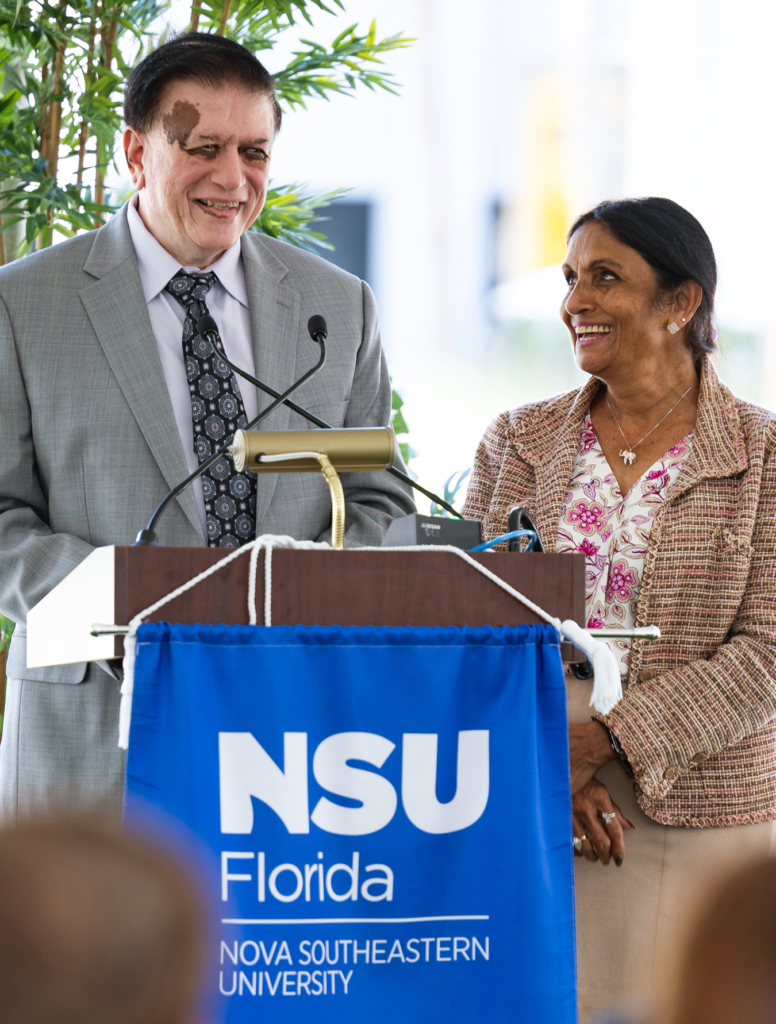
Founders | Drs Kiran & Pallavi Patel Family Foundation
Patel College of Global Sustainability | Florida, USA
Janma Bhumi:
Kiran: Kabwe, Zambia;
Pallavi: Ahmedabad, Gujarat
Dharma Bhumi:
Kiran: Mota Fofalia, Vadodara; Pallavi: Ahmedabad, Gujarat
Karma Bhumi:
Tampa, Florida, USA
Together in Healing & Purpose
The ‘Pallavi-Kiran’ Factor: “Do the right things for the right reasons, the right results will follow.”
THE COUPLE
Kiran C Patel was born in 1949 in Zambia to Chhotubhai and Savitaben Patel, while Pallavi, daughter of Padma Ben and Rasiklal Shah, was born in Ahmedabad, Gujarat. Though separated by miles and living in different worlds, a shared purpose would soon weave their futures together.
Dr Kiran’s father inculcated one of the most important philosophies: ‘Don’t just add zeros to your bank balance; multiply your efforts to serve humanity.’
This not only influenced his life choices but also fueled his ambitions and a larger purpose. His academic foundation in the British Education System served him well, earning diplomas from Cambridge University and the University of London.
The next stop was India. It would not only be integral to his future career but also to his life. Of all the universities in the world, a young girl, Pallavi, walked into the same halls of Gujarat University to study medicine. A serendipitous moment, it would not only go on to transform their lives, but of millions of others who would benefit from this couple’s healing hands and generous hearts. Drs Kiran and Pallavi married in 1973 and moved to Zambia to begin their journey together.
THE JOURNEY
In 1976, Drs Kiran and Pallavi decided to conquer new horizons. They relocated from Zambia to the USA. Who knew this change of geography would one day help reshape an entire healthcare system?
Dr Kiran completed his residency in Internal Medicine in New Jersey in 1980, earning advanced specialisation in Cardiology at Columbia University affiliated program. Meanwhile, Pallavi completed her training in Paediatrics at Columbia University affiliated program and obtained her certification. After completion of their training in 1982, they decided to move to Tampa. The couple’s shared ambition had grown into a bigger purpose to serve communities where healthcare was not yet accessible and advanced.
In 1985, Dr Kiran laid the foundation of a physician practice ownership and management company. While he was fully committed to expanding the initiative into a network encompassing family medicine, internal medicine, paediatrics, and cardiology, Dr Pallavi focused on making quality, low-cost and effective treatments accessible to patients through practising at multiple locations in Hillsborough County.
Dr Pallavi established a successful paediatric practice and took on leadership roles as President and CEO of Stat Care and the Bay Area Primary Care Associates, overseeing multiple primary care clinics. Together, they have built not just medical careers but a shared mission, blending clinical excellence with compassion.
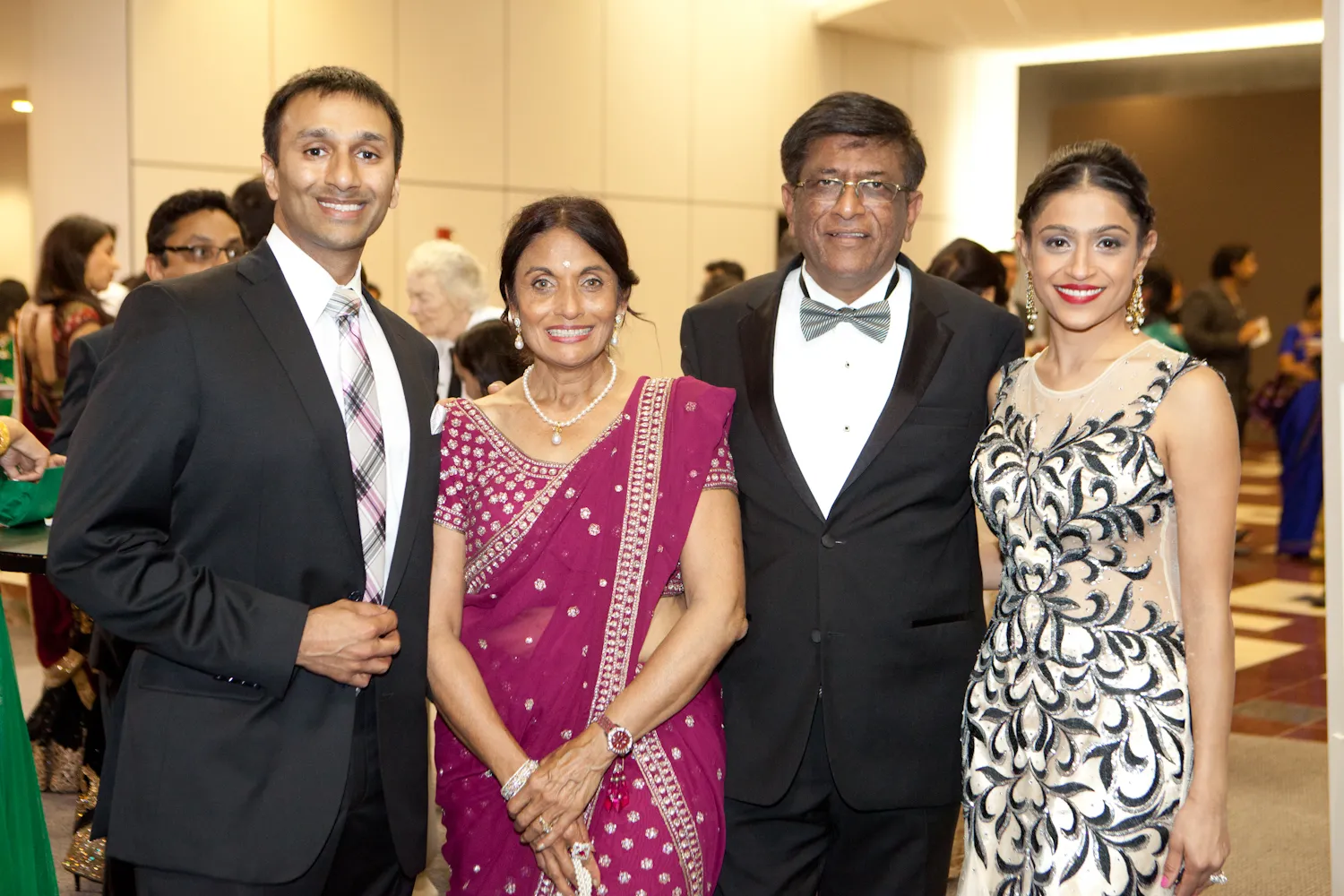
Any healthcare service is only as effective as its paperwork. To simplify the process, Dr Kiran Patel and his son, Shilen Patel, established Visionary Medical Systems, Inc, creating a physician-friendly electronic health records and patient-centric digital solution, well ahead of its time.
Over the years, he has expanded his entrepreneurial pursuits, including healthcare, technology, transport, and education. He was a pioneer in physician owned and managed care companies, including WellCare Management Group, Freedom Health, and Optimum Healthcare.
Dr Kiran achieved an unbeatable milestone by establishing two unicorns in India: Concept Medical, that represents far more than the development of a medical product, it is a landmark moment in Indian ingenuity. For the first time, a breakthrough medical innovation that has been researched, designed, and developed entirely in India is reaching people across the globe. The second company that has achieved the unicorn status is Anupam Rasayan, recognized as a leader in India’s specialty chemical sector, it provides high-precision custom synthesis solutions to some of the foremost multinational companies. He has been involved in the electric vehicle sector with Magenta EV Solutions and Axiom Energy Conversion.
THE SPIRIT WITHIN
As doctors, they were already working towards the advancement of the healthcare sector, so for Drs Kiran and Pallavi to turn it into a global philanthropic mission seemed only natural.
In 1994, he built the first public-private partnership (PPP) 50-bed community health center in his native village of Mota Fofalia.
In Africa, they established the CA Patel HIV Hospice Centre in Zambia. Also, they collaborated with the Lions Club of Dar es Salaam, Tanzania, to sponsor advanced cardiac surgeries in India for 55 underprivileged children, offering them not only treatment but another chance at life.
In the aftermath of the devastating 2001 Gujarat earthquake, Dr Kiran played a crucial role in constructing schools, four new hospitals, and an 80-home village, and rehabilitating orphanages with his support. He mobilised the Tampa Bay community and the American Association of Physicians of Indian Origin (AAPI) to offer timely aid to the affected regions.
In 2004, Drs Pallavi and Kiran founded The Dr Pallavi Patel Performing Arts Conservatory. Today, it is known as the Patel Conservatory at the Straz Center in Tampa, one of the country’s most respected performing arts training institutions, where thousands of students have learned music, dance, and theatre.
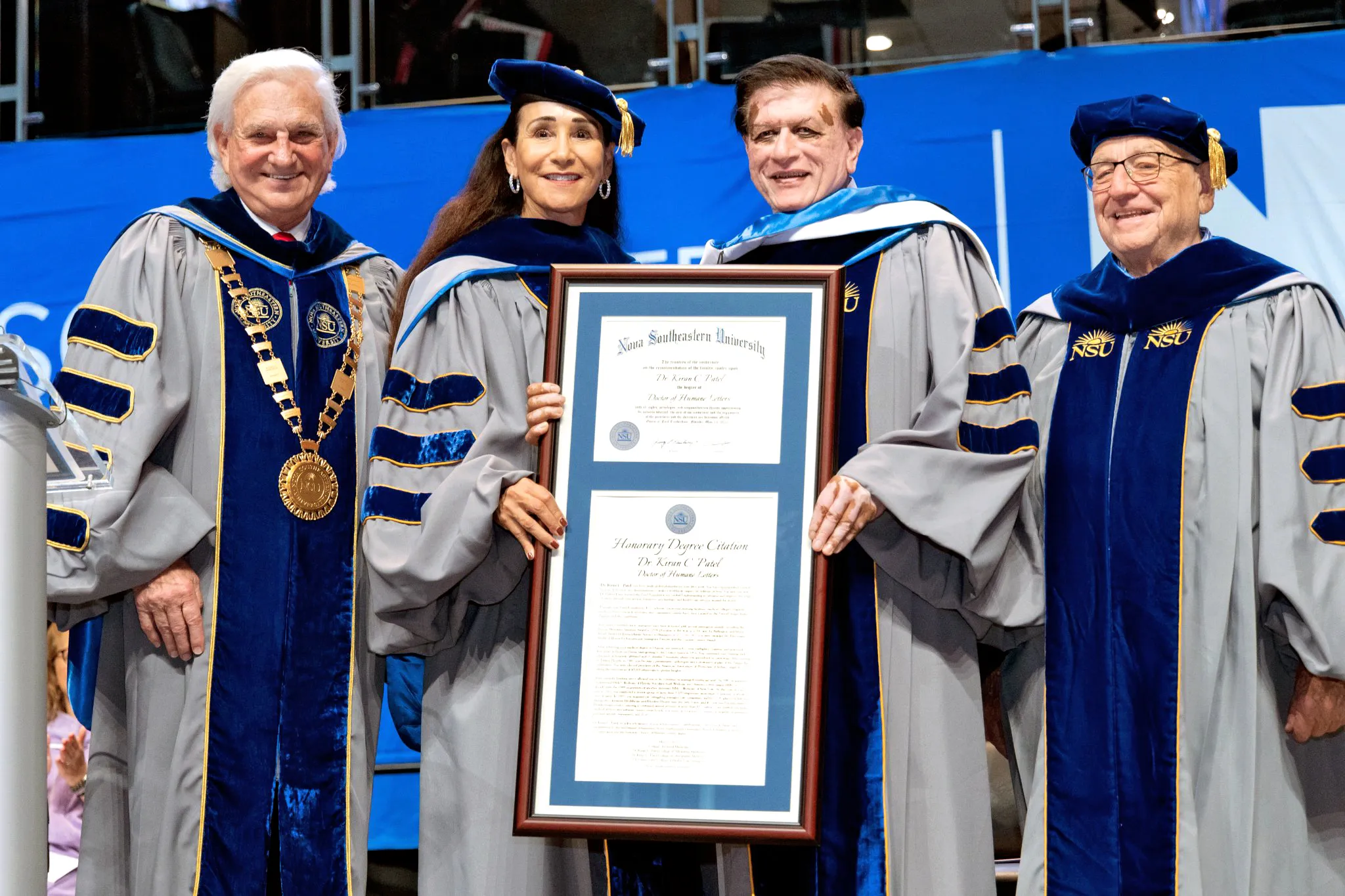
They also support and fund Jain Derasar and other temples in the Tampa Bay area, reflecting on their relationship with the Divine. In 2002, they established the Drs Kiran and Pallavi Patel Family Foundation, which focuses on making healthcare, education, and culture easily accessible to societies. To add to their mission of giving back, they aimed at strengthening the future of medical research by expanding the medical education complex at NSU’s Tampa Bay Regional Campus in Clearwater, Florida. In recognition of their work, the Orlando Health Sciences University was renamed to Drs Kiran & Pallavi Patel Global University (KPGU) in 2025, a testament to their lasting impact.
THE LEGACY
Drs Kiran and Pallavi are building an ecosystem that is based on the well-articulated belief that enduring social impact “of cradle-to-grave strategy” is created through the combined power of healthcare and education. Across India, Africa, and the United States — they have developed and nurtured institutions aimed at enabling autonomy, focusing on lasting empowerment instead of reliance. This vision is reflected in the medical colleges and universities they have established and supported, including the Medical College and Research Institute in Bharuch, India; the Orlando College of Osteopathic Medicine in Orlando, Florida; and medical education institutions under development in Lusaka, Zambia. Collectively, these institutions graduate thousands of physicians each year, each one carrying forward a commitment to skill, compassion, and service.
Looking ahead to 2076, this growing network of healers will include over 50,000 trained physicians practicing globally. If each doctor cares for just 50 patients a day, their combined impact will reach an extraordinary 2.5 million patient interactions every single day, touching 1 billion lives every year. This is more than a projection of numbers. It is the story of a legacy built on education, care, and an enduring promise to improve human health across generations and borders. Extending beyond medical education, their work spans early learning centres, schools, and higher education, forming an integrated ecosystem of care and learning. The Patel legacy rests on building institutions that create independence rather than dependence — because, as Dr Kiran reminds us, “Give a man a fish and you feed him for a day; teach a man to fish and you feed him for a lifetime.”
MAPPING THE INDIA WITHIN
Bharat: Then and Now
“We grew up in an India that was very different from today. Many villages did not have electricity, kerosene lamps were common, and transportation was limited. Over the last seventy-seven years, India has transformed into a modern nation with stronger infrastructure, higher literacy, longer life expectancy, and a growing global economic presence.”
Bharatiya Values that Travelled
“We carried with us values rooted in spirituality and Gandhian principles—honesty, helping others, simplicity, and community support. These values were passed down within families and lived daily. Even after moving abroad, they shaped our decisions, relationships, and sense of responsibility toward fellow human beings.”
Generations Abroad: A New Bharatiya Identity
“We recognise that later generations growing up outside India experience the country differently. Without living in India, their connection is often cultural rather than emotional. As globalisation, inter-cultural marriages, and material focus increase, maintaining a strong bond with Indian roots becomes more difficult but remains important.”
Pride, Progress, and the Spirit Of Bharat
“We take pride in India’s economic growth and its return as a major global economy. Literacy, healthcare, and infrastructure have improved significantly. However, we believe progress must go hand in hand with spirituality, ethics, and morality. Without these, economic success alone cannot define true national growth.”
Dreams for the Youth and Future of Bharat
“We hope the younger generation adopts the best of both worlds. While global exposure brings opportunity, it should not replace values. Retaining ethics, discipline, and spiritual grounding alongside ambition will help ensure that India’s future growth remains balanced, meaningful, and rooted in its civilisational strengths.”
BACK TO THE FUTURE – IN FIVE MOMENTS
Food Cravings
THEN
Eating out was rare and considered a luxury. I remember having ‘Bhel’, ‘Pani Puri’, ‘Gulab Jamun’, ‘Milk Halwa’
NOW
Eating out is common, while home meals have become less frequent. But for me, food is best served at home.
Sport Spirit
THEN
We played cricket, gilli-danda, marbles, and games that required no money.
NOW
Golf is the sport of choice.
Holiday Life
THEN
Holidays meant visiting relatives and staying at home.
NOW
Travel is global, and planned. We have travelled the world and enjoyed every moment of it.
Leisure Habits
THEN
Entertainment was simple—films, conversation, or radio.
NOW
Leisure blends into work, service, and ongoing responsibilities.
AKA
Drs Kiran & Pallavi Patel Foundation For Global Understanding | Patel College of Global Sustainability (PCGS) | USF | Dr. Kiran C. Patel Elementary School | Dr. Kiran C. Patel College of Osteopathic Medicine | Nova Southeastern University (NSU) | Orlando Health Sciences University (now KPGU)