

Gian Singh Bains
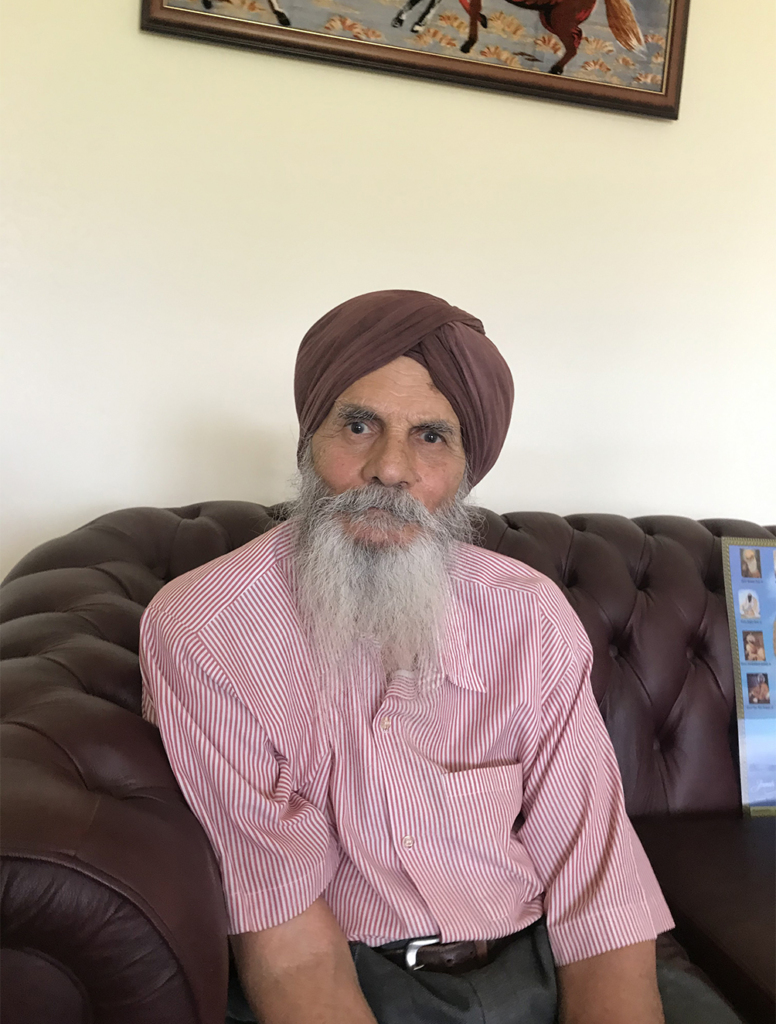
Sugarcane Agriculturist
Queensland (AUSTRALIA)
Ancestry & Birthplace:
Bilga, Jalandhar, Punjab (India)
Residence:
Queensland (AUSTRALIA)
BLESSED BY THE MAHARAJA HIMSELF
Introduction: His grandfather had moved to Australia in search of opportunities. Now as the largest producer and exporter of sugarcane, now he creates opportunities for many more in Queensland.
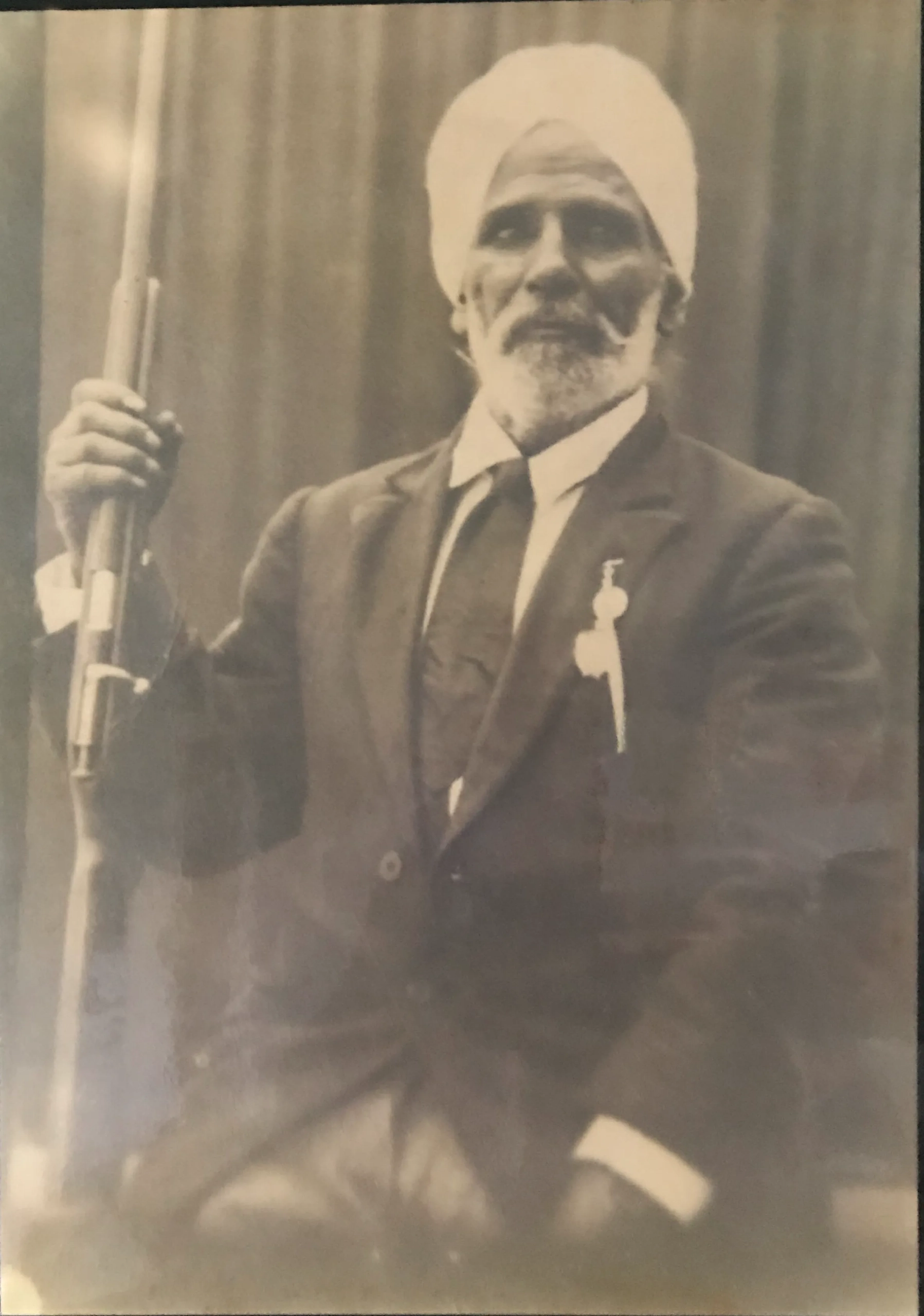
In the late 1980s, when the farms for sugar plantations in the country once known as New Holland were coming up, hardworking people were needed to clear the forest for cattle, dairy and sugarcane farming. Around this time, a lot of people from Asia migrated to Australia for better opportunities. My grandfather, Sardar Mungal Singh, also left Punjab to try his luck and landed in Melbourne, Victoria, in 1893.
After working for a couple of years as a hawker, he moved back to India to get married but could not return to Australia as the migration rules changed by then. He moved to England, but could not find any work, so he moved on to France. There, he also sent for his younger brothers, Gurbachan and Hari, also. Meanwhile, the rules in Australia had once again changed after World War I and he decided to move to Australia.
In 1925, he took my father, Sardar Daleep ‘Don’ Singh, along with him. Dad, although in his early teens, worked at cane fields in North Queensland with my grandfather and started growing sugarcane. He later married my mother, Sampurn Kaur.
It is elders who show you dreams
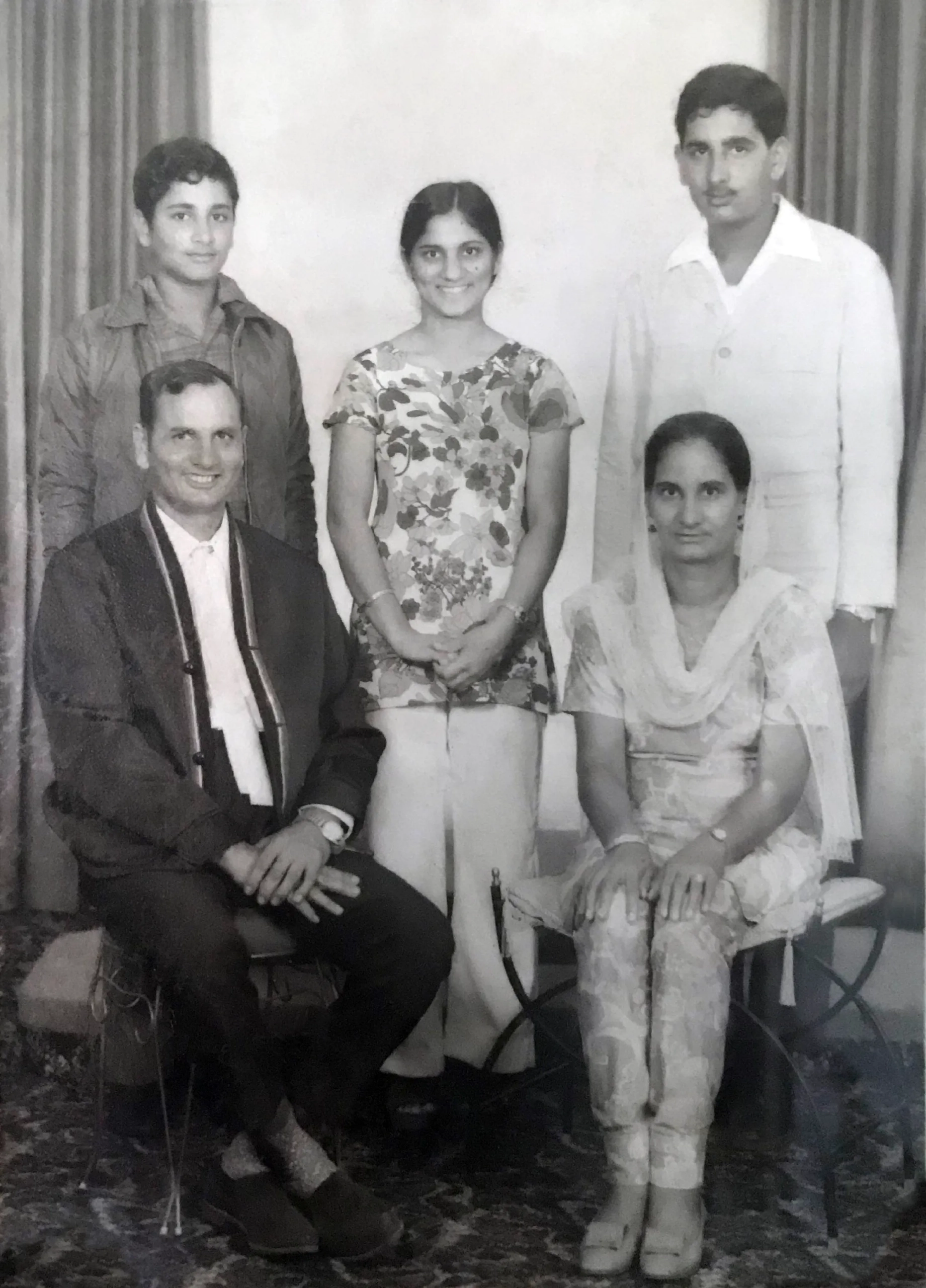
My parents had four children. The only son, I was born second on 4 January 1934. My mother loved me a lot. While she raised my sisters, Harbans, Balraj and Baljit, and me, my father worked hard far away in Australia with my grandfather.
Back in the village, Jalandhar, my childhood was full of fun. I attended the Government School, Bilga. Urdu was the medium of instruction and, though the British ruled us, English was introduced to us in school as a subject when we were in grade 9.
In 1940, my grandfather took retirement and moved back to India to spend time with us. He taught me to exercise and work hard and be ready for any challenge in life. I was unaware of the fact that he was preparing me for life abroad.
Just as my grandfather had taken my father, my father took me to Queensland in 1951. By then, Dad had bought a 100-acre farm and would grow sugarcane on it. My life in Australia began from age 17. I helped Dad cut the sugarcane. Starting with small quantities, I gradually I started cutting 14 tonne of sugarcane every day, but was unable break his record of 16-tonne a day, a record he had made in 1948. He, in fact, was also awarded for that achievement.
Strength lies in being together
In 1953, my father sent me home as my grandfather was not keeping well. I looked after him round the clock. During that time, I got married to Karpal in 1953. Soon we were blessed with a daughter, Paramjit. We stayed in India until 1958, the year that we moved to Australia, back to Dad once again.
Once there, I resumed my work of cutting sugarcane. At times Karpal also helped us on the farm. Having dinner now together as a family in Australia was a totally different and a much more pleasant experience. Earlier grandfather had lived alone, then my father and later father and I. This was the first time that there was a lady in the household who cooked and cared for all of us.
As time went by, our sons, Rajinder and Surinder, were also born. Karpal and I decided that although we were settled in a foreign land, we would not deprive our kids of our culture. We made it a rule: English would be spoken only at school and only Punjabi at home. This helped the kids to get to know both English and Punjabi. Not only this, Karpal also made sure that they knew the culture and traditions of their ancestors as well. We would happily celebrate all festivals and regularly visit India to see our grandparents.
My grandfather was happy with our success. He said he felt proud because we had once started out as labourers, and now we had our own farms. Also, after 1969 we stopped hand-cutting the sugarcane crops and bought machines for it. It increased productivity and helped us set the business on a faster growth track. In 1972, we bought one more farm and never looked back after that.
One good turn deserves another
Before my Dad passed away, he had made every effort to make things far better for the Sikhs of Queensland. Every year on India’s Independence Day, he was always invited by the Indian ambassador for the flag hoisting, which he always made it a point to attend. People also respected him a lot. I decided to follow in his footsteps.
In the 1980s, I decided to open a gurudwara in Queensland but our Sikh brethren were split in two groups, which made me unhappy and I gave up the idea of the Sikh temple. However, while in India in 1982 I heard a ‘voice’ inside my head coming as if from the Guru, urging me to go back to Queensland and build that place of worship. I returned forthwith and donated land for a gurudwara at Gordonvale. We raised money to build the temple and Ken Chappell, the architect who was inspired by Indian temples, designed the gurudwara. The first gurudwara in Queensland, Guru Nanak Gurudwara, was thus opened on 20 November 1983.
I was also instrumental in starting a school in my village, an initiative that resulted in ending age-old enmity. In the 1990s, Vice Chancellor of Ludhiana University, Dr Khem Singh Gill and Chairman of Akal School, Solan, Sant Iqbal Singh visited Australia with a group of students who recited Gurbani in English in Guru Nanak Gurudwara, Gordonvale. I was so impressed by the kids that I requested the Vice Chancellor and the Chairman to open a branch of Akal School in our village also. They said they would require 10-acre land and Rs 10 million for this project.
I bought 4 acres and was looking for the remaining 6 when an estranged uncle, who harboured an old grudge going back three generations, had come down from Canada. Three generations of our family members had not spoken to each other because of an unknown dispute. When my uncle learnt I was planning to start a school, he transferred all his assets in my name. “Let us forget the past,” he said, “and begin a new story with sewa.” While I needed just 6 acres, I now had 18. The school was named Akal Academy, Bilga, and today has over 1,000 students.
As I had learnt from my father, my children follow me in the practice of sewa. My elder son, Rajinder, actively works with gurudwara and is its member.
All the children follow the traditional culture. My daughter, Paramjit, completed her degree in psychology and has now opened a business in education. She is married to Kirpal and has two sons, Anthony and Alex. My son, Rajinder, has done Electrical Engineering but works on the farms with me. He is married to Jasvinder. They have three children, Jasmeet ‘Jessica’, Gursimran ‘Suzen’ and Gurkirat ‘Neilson’. My younger son, Surinder, holds a diploma in agriculture. He is married to Rajinder and has two sons, Ranbir ‘Andrew’ and Kirandeep ‘Michael’.
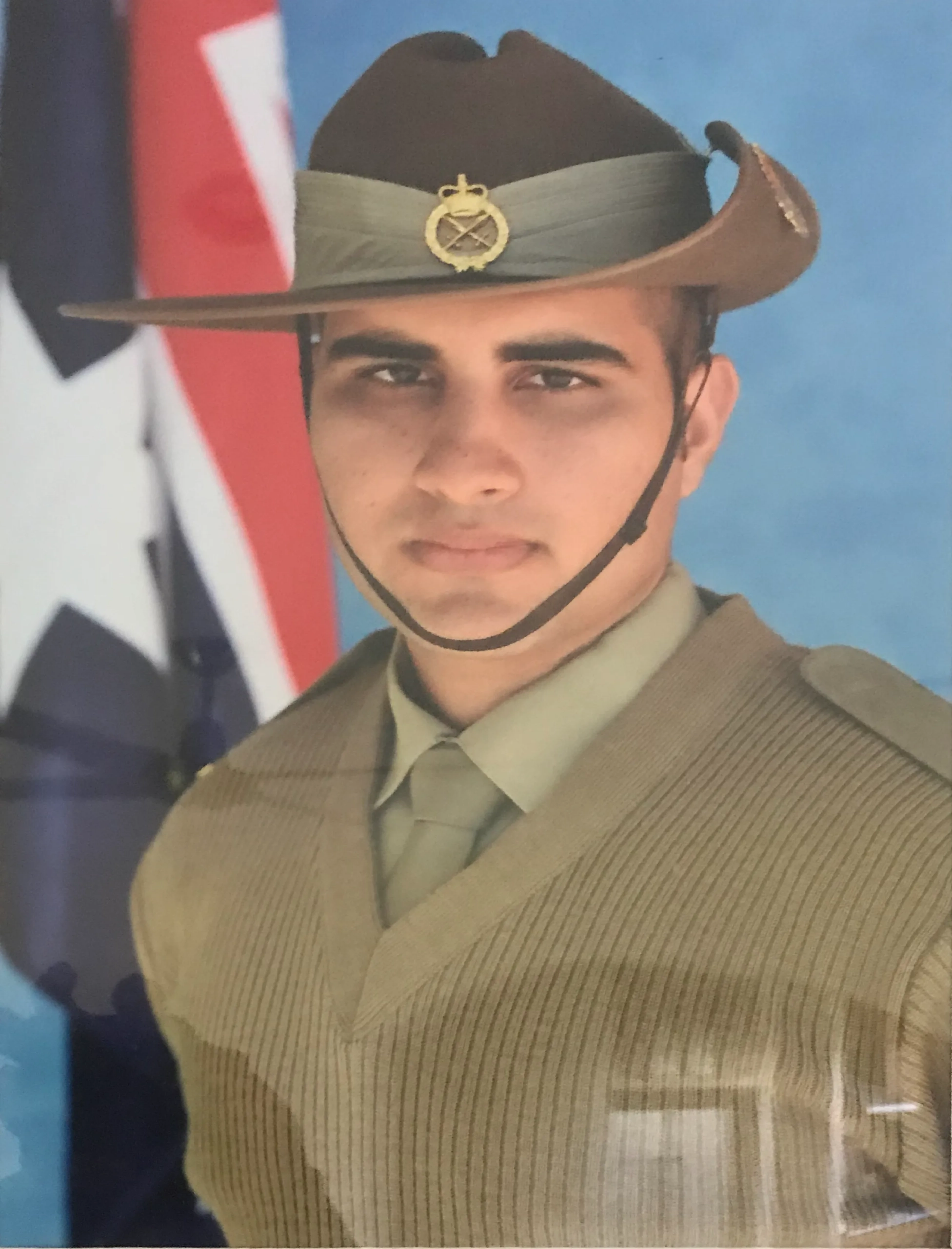
We all live together with love and support for one another, in complete harmony and amity. For a century, we have been growing and selling sugarcane worldwide. But my grandson, Michael, worked in the army for some time and then diversified our business to buying and selling bananas. As of now, we have around 1800 acre land for sugarcane and 200 acres for banana cultivation. As we started our journey from a small village in Punjab, I hope my grandkids and their future generations will take this march forward.
Philosophy
God is the supreme power.
I love…
Indian food. All my life I have worked hard, and have little interest in other things, but yes, Indian food.
I’d suggest the youth…
To respect and thank your mother and Maharaja every day. Your life is their blessings.
Success Mantra
Never compare yourself with others. Look at yourself and give your best.
The world doesn’t know that…
I wake up at 3 am to offer my prayers to the Maharaja. The day follows with an hour walk and breakfast. And I follow the news every day to see what is happening in my the land of my birth.
AKA
Sugarcane King of Australia 🇦🇺
Gallery
ISBN : 9788193397695