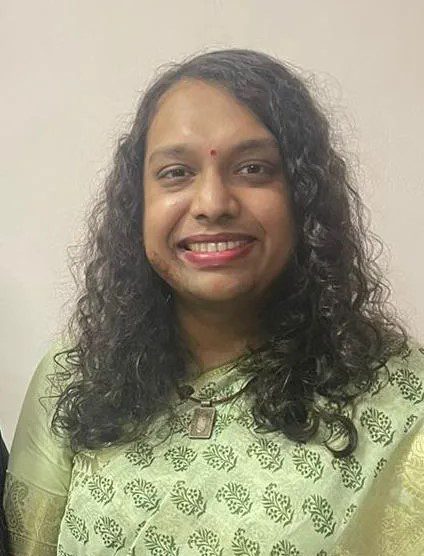
Nishtha Nishant
Birthplace:
Mumbai, Maharashtra
Residence:
Mumbai, Maharashtra
Qualification:
M.Sc. (by research) in Chemistry, specialising in Phytochemistry and Fellow at the Keshav Suri Foundation
Inspiration:
Herself
SOFT-SPOKEN DYNAMO
She has seen it all. A childhood of abuse, a career slowed by discrimination, and gradual professional growth. Yet, she has emerged as one of the leading names representing transgender individuals in science, technology, engineering, and mathematics (STEM) research. She has created a niche for herself and in the process, emerged as a beacon for the community. No wonder they’re so proud of her.
Nishtha was a biological male. Her father wished her to grow up into a “macho alpha male” as he sees himself. When home alone, Nishtha would try to copy her teachers – the mannerisms, etc. – and role-play teaching imaginary students. Her father, however, would push her to play so-called “manly sports” like cricket.”
Every child needs attention and care. Parents, caught in a whirlwind of responsibilities, more unintentionally than not, miss these vital components of nurturing and end up exposing their vulnerable children to predators.
Her first encounter with a sexual predator was at the age of four. “Since then, it became a regular thing when my parents would be away at work. Different people – friends, relatives, neighbours – took advantage of my innocence and silence. I wouldn’t share anything with my parents out of fear.”
But the fear – embedded due to physical abuse at home – was unfounded as Nishtha came to realise during her teenage years.
Her father, Bhagwan Gosavi, being a keen observer, did have an inkling that his child could be queer and supported Nishtha implicitly and explicitly. The sensitivity and the subtle way with which he handled her preferences are heart-warming.
“He happened to come across the picture of a queer couple kissing I had hidden in my room. He didn’t make a fuss out of it. He just wove it into a topic we were discussing one night. He told me there was nothing wrong with it and everybody was free to have their choices. Even my mother was not aware of my orientation. My father and I had formed a deep bond,” says Nishtha.
Bhagwan’s sudden demise in 2009 in a bike accident left Nishtha distraught and alone – he was her strongest ally. “I was still very young, just a class 12 student. I kept seeking the same kind of support. But trusting people became difficult.”
Understanding that her mother, Supriya, now had new emotional, social, and financial challenges, Nishtha took up some part of the responsibility. She started giving private tuition, and teaching in coaching classes – all this while masking her real self but determined to excel in her studies.
Career goals and battles
“I had always dreamt of being a doctor, but Dad’s death changed the course of my life. Not wanting to take up any ordinary bachelor’s programme, I joined a five-year integrated programme in Bioanalytical Sciences at Mumbai’s Khalsa College.”
Things were not easy at college. There was body shaming and peers were judgemental but Nishtha knew there would come a time when her true identity would finally be revealed, for the better.
“There was a conflict between my identity and orientation. I took a lot of time to understand that I am queer.”
Queer is an umbrella term for any and every person who may identify themselves within the LGBTQ+ community. “If you are not sure whether you are a transgender person or a gender non-binary person, you can simply call yourself queer. There’s another Q that represents ‘questioning’ – those who may be confused about it or still exploring their identity,” explains Nishtha.
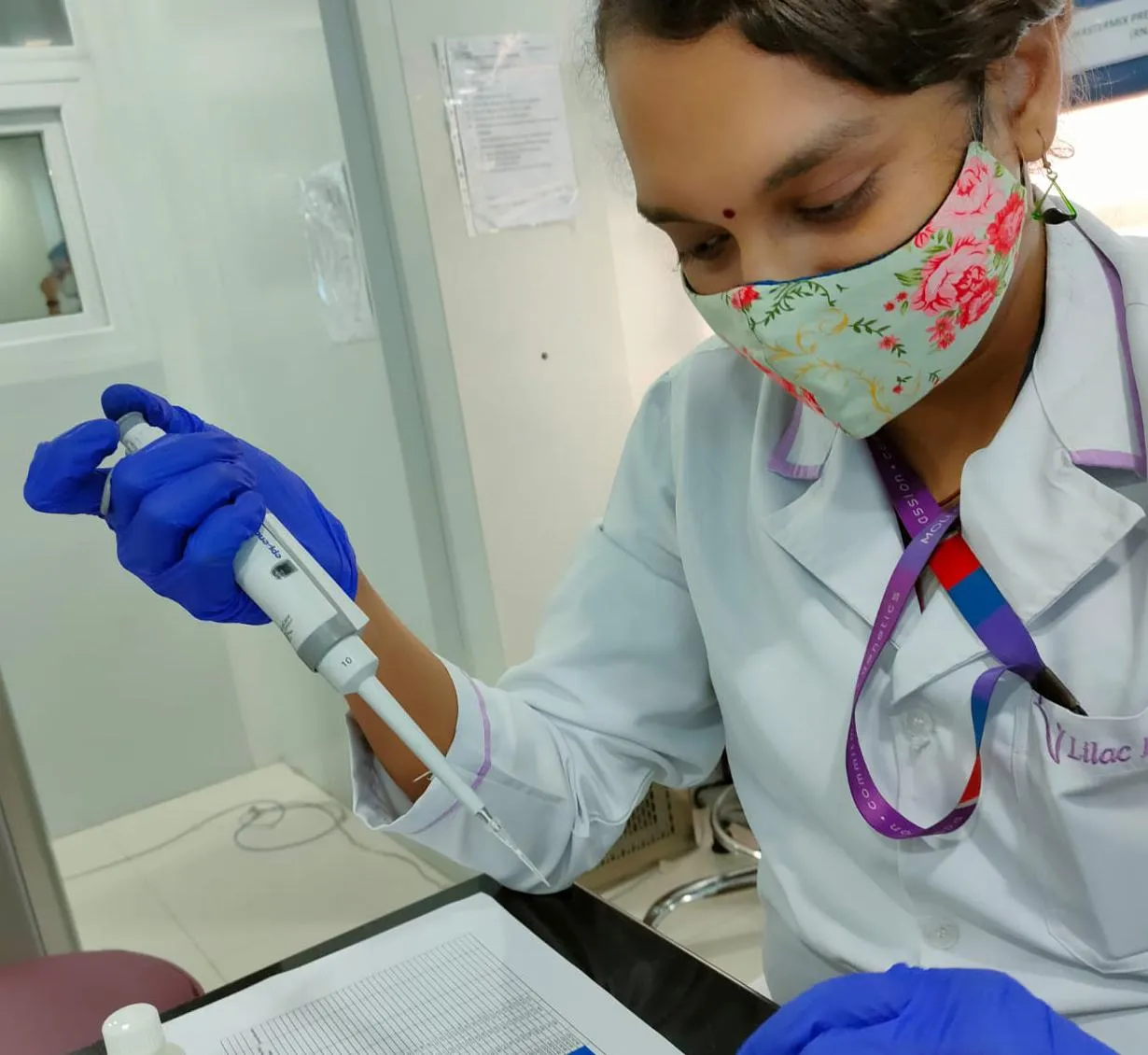
After graduation in 2013, she interned with Mumbai’s National Facility for Biopharmaceuticals, a leading biotechnology company, and then went for an integrated M.Sc.-Ph.D. programme with Phytochemistry as her topic.
She was, however, unable to concentrate on exam preparations. “Something was keeping me from going ahead, like a pebble caught inside the shoe. I was wasting my preparatory leave and was not very happy about it. One day, after prolonged introspection, I listed down everything that was a part of me. It was then that I realised that I am a girl in a boy’s body.”
Section 377 was in force then and Nishtha hadn’t yet come across any subject matter expert. The TV show, Satyamev Jayate, with Gazal Dhaliwal and Harish Iyer as guests, was the turning point for her. “Gazal’s story matched mine,” gushes Nishtha.
She decided to break the news to her mother. Of course, it wasn’t easy. “I had to answer all her questions. She had mixed emotions and I allowed them to happen because she needed time, but I knew that she would be fine.”
Nishtha began interacting with the hijra community after deciding to transition in 2014 when she was 22. “Every hijra I met discouraged me from crossing over to their territory because life was tough.”
Not happy with their negative responses, Nishtha stopped trying to match her journey with someone else’s. “I started my transition with lip colour and carrying a purse. There would be comments, a lot of them. I would smile back at them, or have my headphones on to keep the unwanted noises out. That was my strategy.”
Meanwhile, things weren’t going well on the academic front. Humiliation from peers and teachers was making it difficult. All of this pushed her away from the research institute.
“Fortunately, I had completed my research work and began my real transition by reminding myself, every day, that I would never abide by rules, or follow traditional cultures, but live life on my terms.”
Biased perceptions
She took up the job opportunities that came her way. She was hired on a low pay, not because of lack of qualification, but due to her gender identity.
“People’s attitude towards the transgender community has always been negative. They have never wanted us to be included in mainstream spaces. Workplaces are one such area. I would offer to hold gender sensitisation workshops at my workplace or connect officials with human rights activists or organisations but to no avail,” she rues.
A BPO that Nishtha joined kept her under surveillance for an entire week – watching all her moves, including her visits to the women’s washroom, “because my documents still showed me as a male. They threatened to put my salary on hold until I fixed my documents as per the gender I affirmed to.”
To address this issue, she reached out to the only two resources she could – Humsafar Trust and Harish Iyer, who advised her to quote the NALSA judgment. “While the issue did get addressed, the takeaway remains that I had to fight to use a vital facility because of my gender,” she avers.
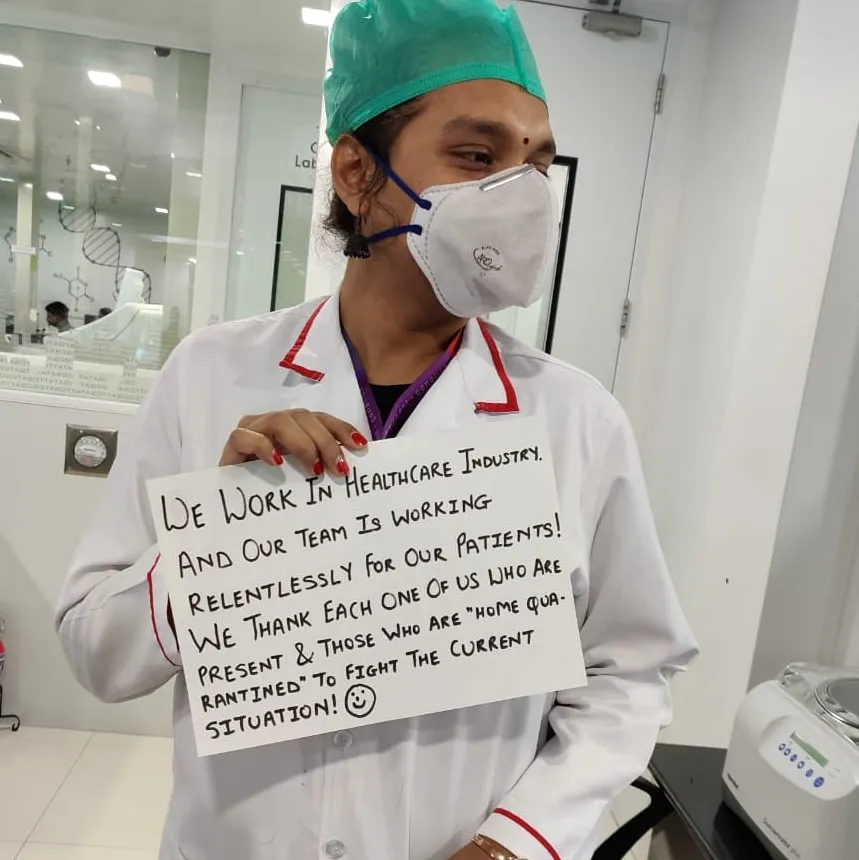
The next organisation she worked for undermined her capability. “I was given data work for a fortnight and had to push hard to get the work that justified my capabilities as a post-graduate and a researcher. My promotion from a scientific assistant to a scientific officer took a long time. I had to allow things to happen because jobs weren’t easy to come by. The transgender community is not that privileged. Right?”
VISION FOR THE TRANSGENDER COMMUNITY
Nishtha has kicked all hurdles to the side to emerge with a successful career. “I want to create the change that I want to see, especially in the field of STEM, which has only a handful of transgender people. This can happen only when we are given opportunities and equal space.” She is not formally associated with any organisation and speaks on gender sensitisation as an individual. “I am happy that laws are in place but awareness and sensitisation are needed at the grassroots levels.” When it comes to health care, awareness through education is important. “Medical curriculum has little or nothing about the needs of transgenders. As a corrective measure, gender sensitisation workshops for hospitals, batches of budding doctors or medical professionals, including nurses, will be quite helpful.”
MESSAGE FOR THE MAINSTREAM SOCIETY
Nishtha urges mainstream society to take the transgender community’s extended hand, provide them with opportunities, and see what wonders they can create together. “Let’s bridge the gap created due to misconceptions, preconditioned notions, or myths. Let us wipe off all the negatives and take things forward. Together, we can make it happen.”
FIVE FACTS ABOUT NISHTHA
Education gives her the right strength and confidence.
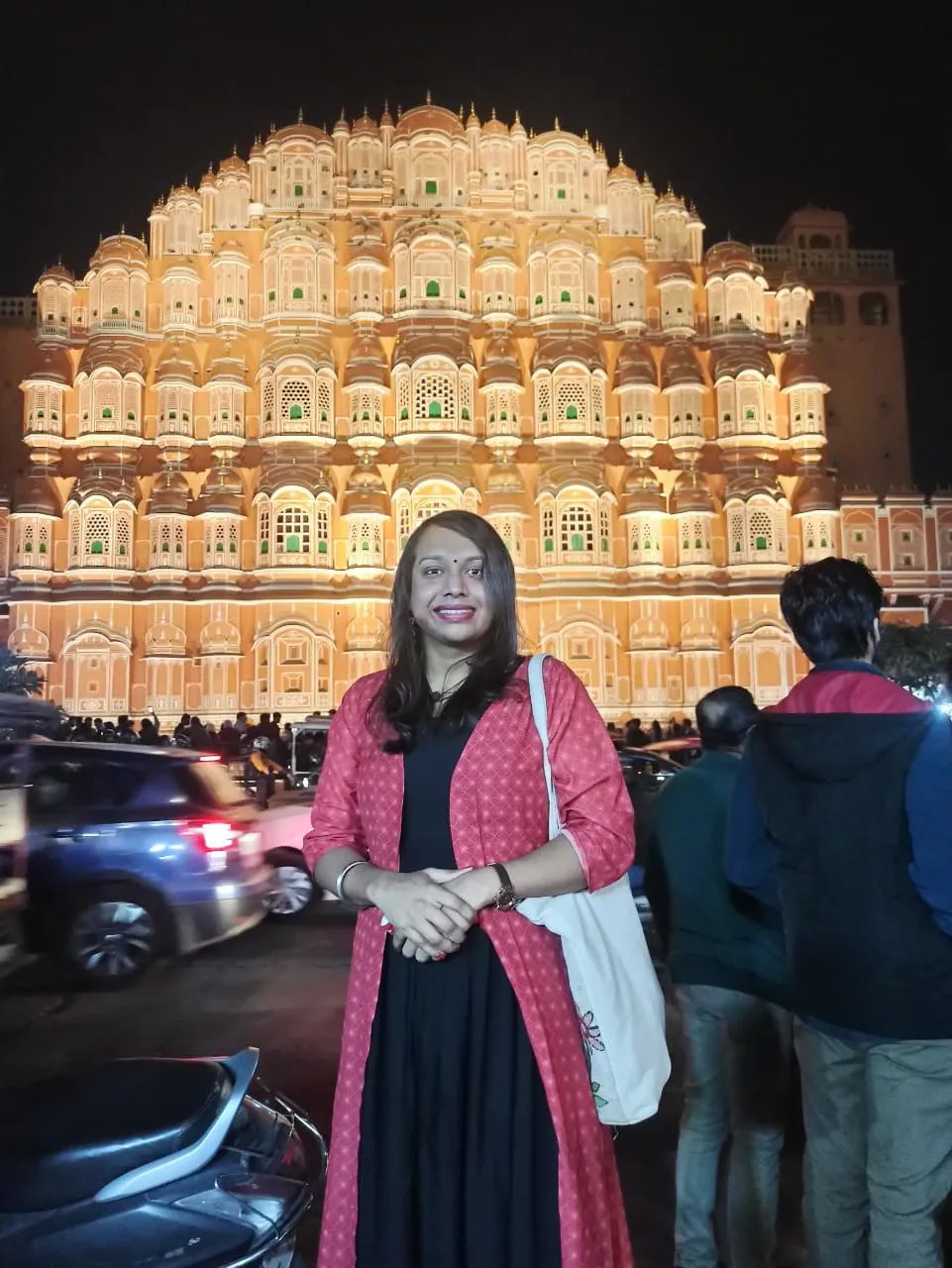
She loves cycling around the city, dressing well and going on solo trips.
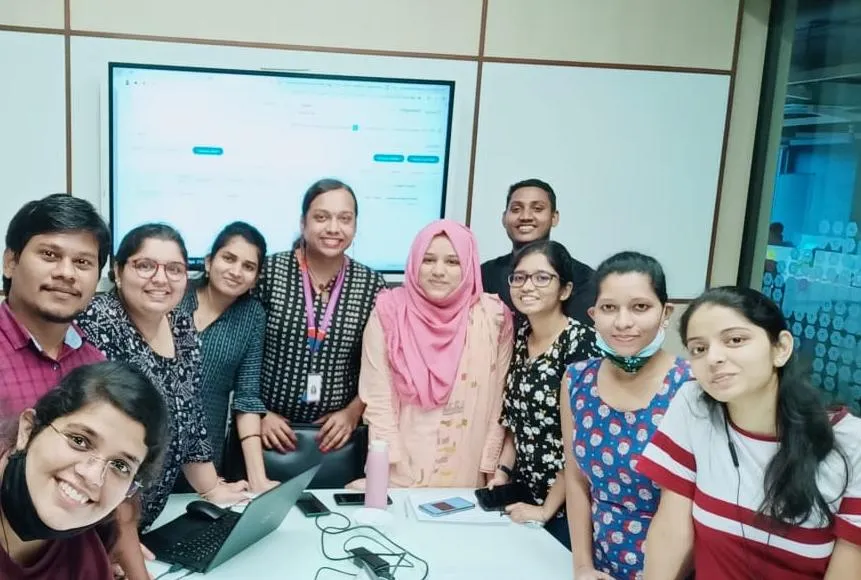
She actively networks and informs people about the diversity of the transgender community.
A foodie, she especially fond of Gujarati and Rajasthani cuisines.
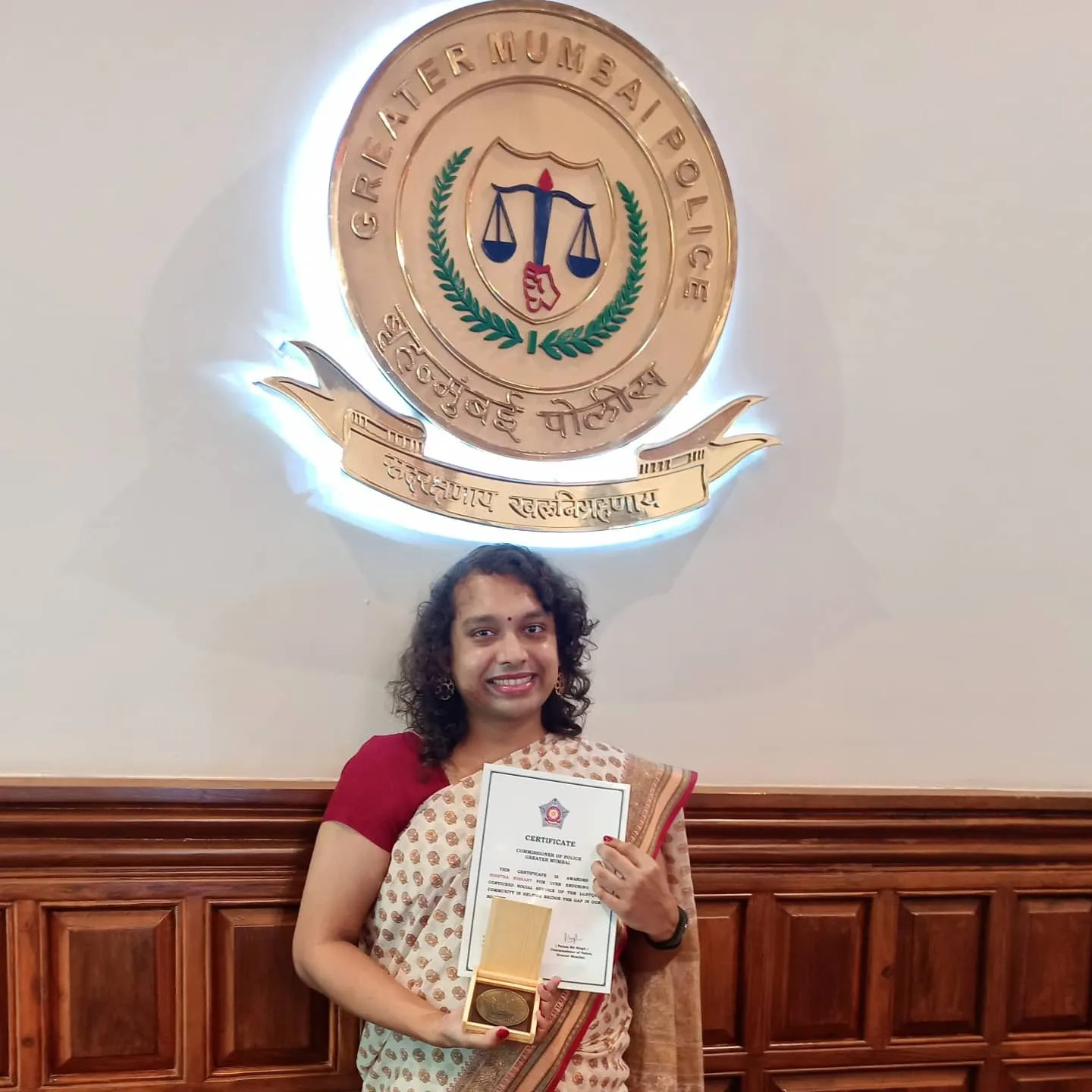
She is a recipient of the Mumbai Police Award for bridging the gap between mainstream society and the transgender community.