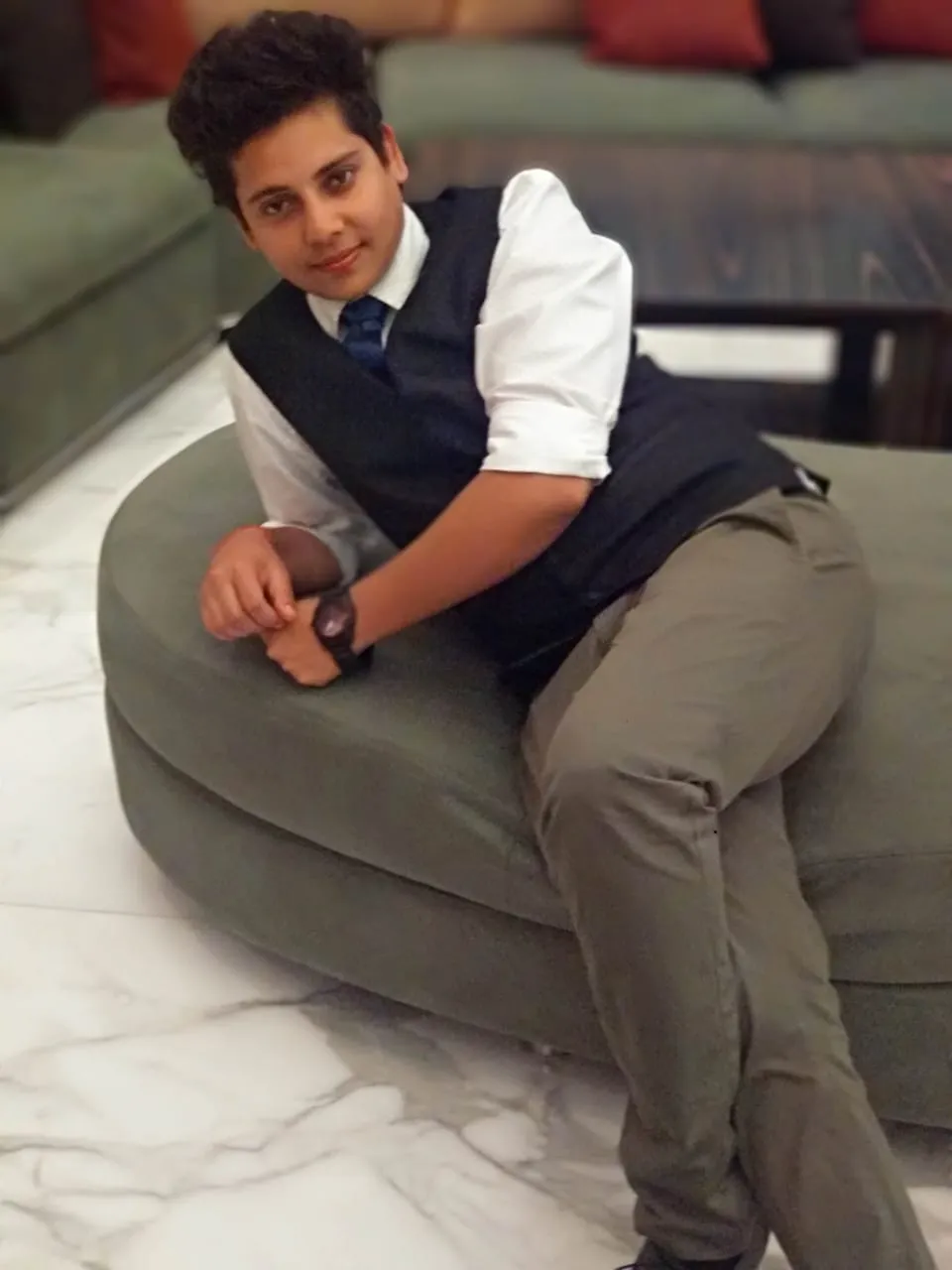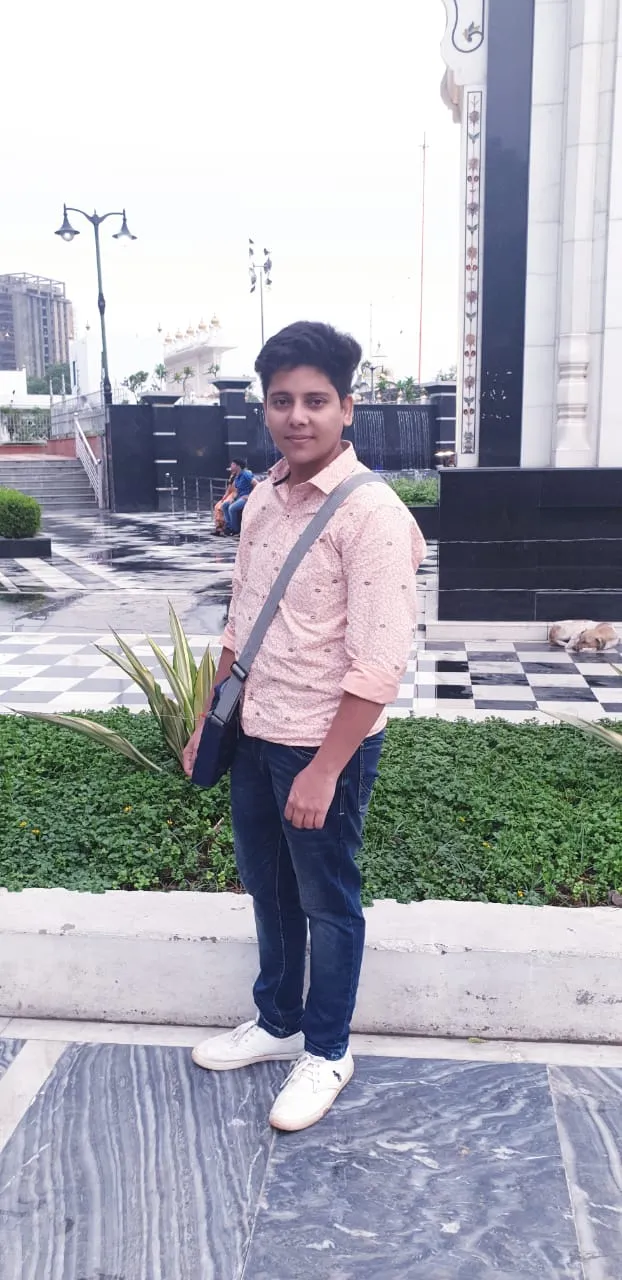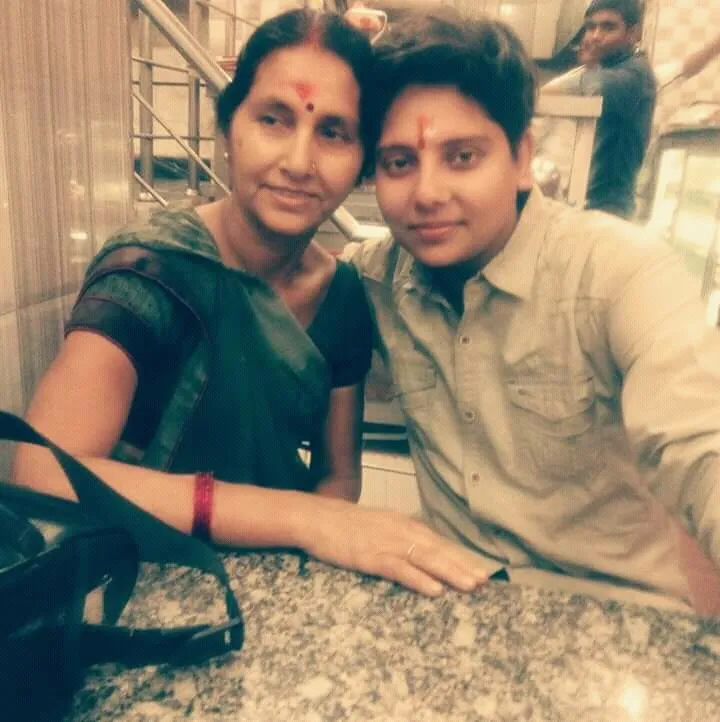
Anshuman Singh
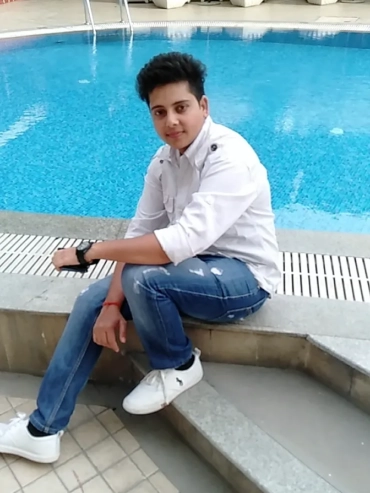
Birthplace:
Gangoli, Uttar Pradesh
Residence:
Delhi
Qualification:
MBA in HR and Finance
Inspiration:
Laxmi Narayan Tripathi, Reshma Prasad
NO ROOM FOR SELF-PITY
He’s young, he is raring… an HR with Barclays, a TWEET and NNTP volunteer, his life seems rather simple on the outside – counsels transgender community members and marries his girlfriend. Yet, he has faced a lot to bring himself to this simplicity!
The year is 2010. An anxious youngster, just out of his teens and far from home, is awaiting the results of an entrance exam. Unlike other candidates, he has no one accompanying him on this university campus. The breeze is cool and lulling, but it does little to calm his nerves. A storm of mixed emotions is swirling within him. There is dread, anticipation, hope, sadness, anger—a mix that may just make his heart explode. The first list is announced, but his name isn’t on it. Dejection sweeps his entire being and he almost resigns to his fate, but his instinct tells him to linger around for the second list. That little voice in his head that urged him to stay on was right. Anshuman Singh ranks third among the programme’s inaugural batch of candidates and has just earned himself an MBA seat with a full government scholarship.
The journey of self-discovery
“This scholarship was a big achievement for me,” he says. Anshuman had faced enough and proved himself enough to reach here – literally and figuratively.
In Gangoli, the village where he grew up, girls were, and maybe even now, deprived of basic education, MBA was out of the question. The MBA seat was his fitting reply to a regressive social mindset and more importantly, to his father, Avinash Ratan Singh.
“Many young girls from my village would run away from home just to escape the stifling environment. My father too was against my education and decided to discontinue funding it after class 10. It’s not that he didn’t have the money. Nevertheless, I told him I would manage on my own.” Anshuman too had to face it all – for he was born in 1990 as a girl, christened Shwetanjali by the family.
Although his father later relented, Anshuman always feared that the funds would one day stop and hence, began tutoring primary-class kids charging each student Rs. 25 a month. He shored up the earnings and cleared class 12 with top grades, all this while battling a patriarchal society and his inner gender identity demons.
“I would go to bed wishing to see myself magically turned into a boy the next morning. At times, I would accept my fate and pray to God to align my soul with my body. I just could not bear this conflict and confusion.”
In college, Anshuman joined the National Cadet Corps and won the district-level Best Wicketkeeper Award, but was stopped from playing at the state levels. In 2007, Anshuman cleared the physical test for Border Security Force constabulary, but again his father refused to take him to Lucknow to submit the documents. “He said women in our family don’t take up jobs or join the forces.” Anshuman got through in Amity University, Noida, but was prevented from attending.
“I kept getting silenced by toxic patriarchal and regressive ideas. I started hating the word ladki (Hindi for girl). To me, it symbolised nothing but restriction and represented a gender I could not relate myself with despite being born a female.”
In 2010, when the college was almost over, he chose to fight – for himself. He applied for the Rai University scholarship seat and got a call letter.
The night before the entrance test, he boarded a train from Farukkhabad to Delhi dressed as a boy – the shirt was gifted by his elder sister – and with Rs. 50 in his pocket. “I had spent all my tuition earnings on buying my younger sister a bicycle and school supplies—things that I had to fight for. I travelled without a ticket, hiding in the toilet to avoid being caught.” The next morning, after hungrily gulping down a few biscuits and a jugful of water, he continued his journey – this time atop a bus and crying during most of the two-hour bus ride.
“While MBA was a route to escape the oppression and insults, earning the scholarship on my own merit was the real achievement. But I was all alone with no one from my family to share this proud moment with. My sister in Jaipur broke the news to my father and he could not hide his disbelief.”
No grudges held
When his father first stepped on the campus carrying supplies for Anshuman’s hostel stay, he had tears in his eyes and shame in his heart for not being supportive all along. “We just hugged. From that point on, he became my rock.”
It’s easy for transgenders to hold grudges against parents for their insensitive behaviour, unacceptance and apathy, Anshuman says. “But they must always remember that they too have difficulty in changing their own orthodox mindset that may not allow them to behave without prejudices. Forgive them.”
He lopped off his shoulder-length hair and slowly changed the way he dressed. “The new short hair was an act of liberating myself from social gender norms.” In 2017, Shwetanjali became Anshuman.
He completed the course with a 72% score and moved to Noida for work, where he came to know about transition and during his research, came in touch with a well-known doctor expert in sex reassignment surgery (SRS).
“I informed my family of my intention to go for an SRS. Although my sisters were against the idea, my father stood by me. Dad’s reaction came as both surprise and relief. His only grouse was that he wouldn’t be able to offer financial assistance.”
TWEET’s go-to counsellor
Between jobs, he joined the Transgender Welfare Empowerment and Equity Trust (TWEET) Foundation in Delhi run by Abhina Aher. “Funnily, they made me a counsellor when I was still exploring myself.” Before taking up the responsibility, Anshuman stayed up all night reading about gender dysphoria. His sensitive and dedicated approach made him the preferred counsellor for many.
He continues to work with Abhina on transgender healthcare and for getting transmen jobs in corporate houses. Together, they sensitise staff in these offices, laying the road for trans-people to work safely and without discrimination. “I always tell candidates to focus on their work, not on their gender or clothes.”
Wherever his career takes him, he wants to be in a position where he can help the community. “As an HR professional, I want to rise to a position which allows me to help transgenders with job interviews, recruitments, training and awareness.”
VISION FOR THE TRANSGENDER COMMUNITY
All through his education, Anshuman rode a rickety old bicycle with a loose seat that would keep falling off. “I could not afford to be embarrassed about it. My focus was education.” The community too needs to rise from the pits of self-pity and work towards a better future, he says. “Without being insensitive… change starts from within.” He acknowledges the gradual changes since the NALSA judgement and the removal of Section 377 but feels that equality, especially in rural societies, will be a long time coming. “My vision is to see the transgender community identified as humans first. Address me as Anshuman without the term ‘trans’.”
“Authorities should begin at the grassroots and especially target government schools where a large percentage of rural children study. By doing so, the entire rural landscape will see a change.”
MESSAGE FOR THE MAINSTREAM SOCIETY
Anshuman answers this with two examples – one of a 12-year-old effeminate boy in his village who has tried to run away from home several times because of his family. And his landlord – who has welcomed and fed him and his community friends. “Do you see the contrast? If the boy’s family can thrash him every day, it can also try and talk to him. Society should stop trying to fit people into gender boxes when it comes to behaviour, sexual identity, clothes, education, parenthood or profession.”
FIVE FACTS ABOUT ANSHUMAN
He aims to join the police force.
His biggest strength is self-belief.
He is soft-hearted and doesn’t allow it to halt his progress.
He simply loves cricket and the ’90s music.
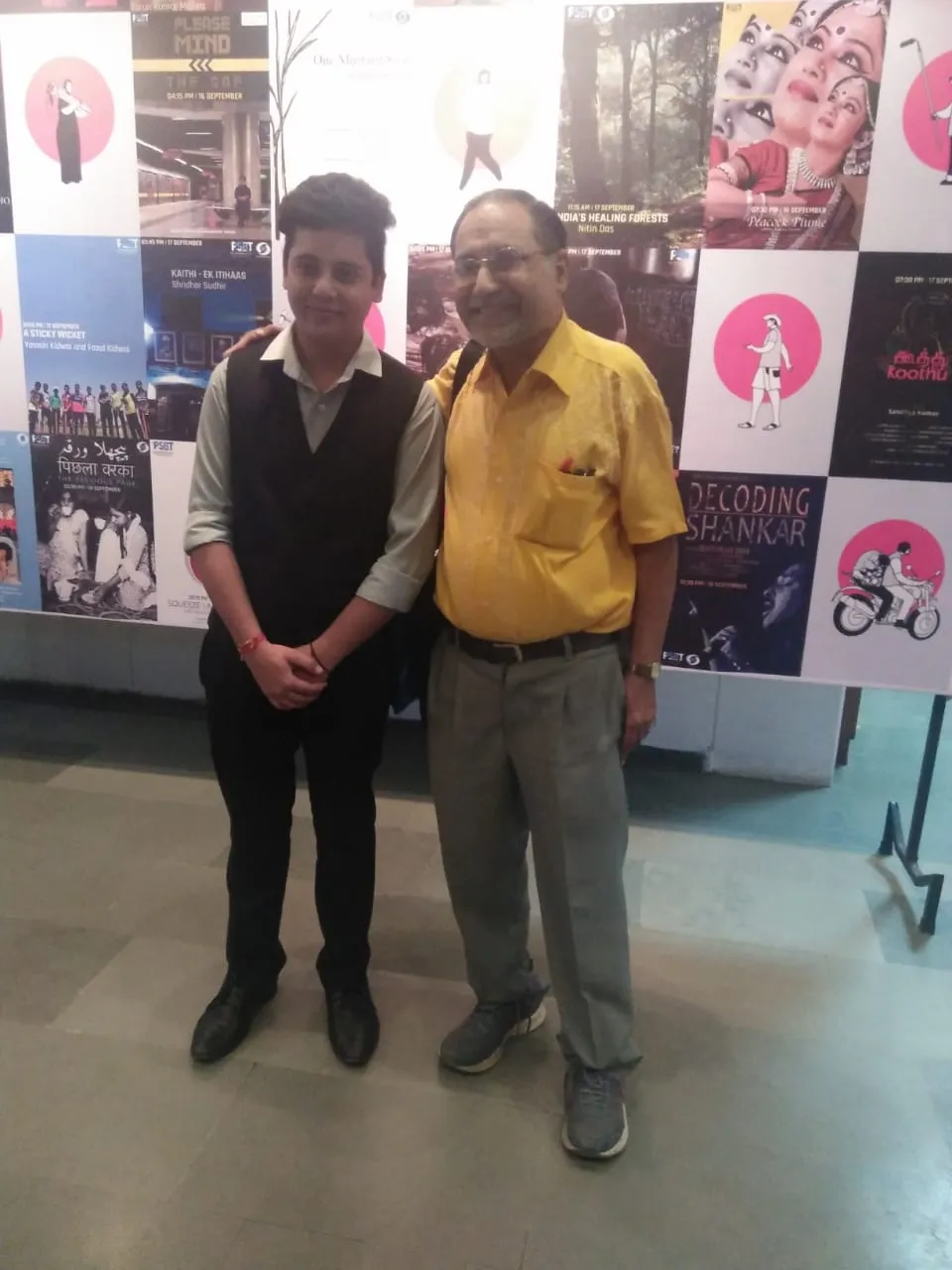
He is the protagonist in a documentary movie, Please Mind The Gap.