Priya Patil
Birthplace:
Mumbai, Maharashtra
Residence:
Mumbai, Maharashtra
Qualification:
Undergraduate (Political Science, Psychology)
Inspiration:
Laxmi Narayan Tripathi and Supriya Sule
THE PHOENIX
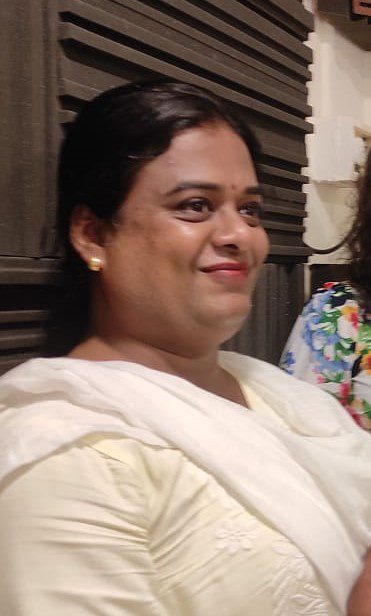
She always dreamt a hundred dreams, like, for example, sitting in a red-light car. A person of robust willpower, she ensured she lived her dreams – she was the first transgender candidate in Mumbai’s civic body polls, and she’s the President of India’s first LGBTQ+ cell of the Nationalist Congress Party. What’s more, she’s dedicated her life to ameliorating a lot of others like her.
She says her life’s been akin to an open book. More than the well-documented story of her life, these words, as Priya describes herself, shine a light on her personality – open to communication, understanding, and growth, and one who believes in giving back more than what society gave her. And there’s another facet to her: She is like a phoenix – having burnt down memories of her horrific past and risen from its ashes.
Mumbai – they call it the city of dreams – is, unfortunately, a place where transgenders live a perilous life. Their lives are fraught with dangers, brushes with death, physical abuse, insults, and constant harassment.
A live overhead wire electrocutes a transgender running from the police to avoid being caught for begging. Who should be blamed for her death – the transgender for being born so? Or, the lack of employment opportunities that forced her to beg? The policemen or her parents who abandoned her as a child? Priya has a bucket full of these harsh questions.
The last one takes her into her past when, disowned by her mother for being an effeminate boy, she spent nearly a year on the railway platform in Mumbai’s suburb surviving on discarded food and sleeping in empty train coaches.
After her friend died in hospital eight days after the electrocution, she decided to become an agent of change. In 2017, soon after this incident, she fielded as an independent candidate in the Municipal Corporation polls from Kurla West and became the first transgender to contest these elections.
“Unlike other candidates backed by massive campaign support, I did it all on my own on a puny budget of Rs.25,000. I lost the election but gained knowledge and experience.”
A childhood she wishes upon no one
Priya had an extremely unhappy childhood. Her parents were constantly bickering with each other and ultimately her father left home. “I must have been nine years old then,” she reminisces. “I thought he would be back in a couple of days. But he never returned.”
The situation affected her mother’s mental state while Priya’s young mind couldn’t fathom the reason for their discord. She often wondered why he never once gave a thought about his only child.
“As my mother’s condition deteriorated, we moved closer to where my maternal uncles lived. The move uprooted me from a familiar, comfortable environment – from my friends and my school. I hated the new place,” she says.
Teenage years set in and she was drawn towards feminine things and was harassed for who she was and her choices. Social stigma, her father’s absence, and sans siblings sharing her gender identity confusion came to reflect on her academic graph. Priya, always a topper, had completely lost interest in studies in class XI. To avoid bullying and harassment during college, she would spend hours commuting on Mumbai’s local trains, some days visiting her father’s family to ascertain his whereabouts.
“All hell broke loose when my mother came to know of all this – and my gender preference.” That day, she was thrown out of the house. She spent five days on the apartment’s stairs, fed by neighbours.
“I was naïve enough to expect my mother to take me back in. Instead, she threatened to harm herself if I didn’t leave the premises. My uncles, probably thinking I would go live with my father’s family in Kalyan, too, requested me to leave.”
Priya pinned hopes on her father for shelter, acceptance, and love. That night, she boarded a train to Aurangabad where she had heard he was residing.
“I arrived in Aurangabad cold, hungry, and penniless and walked 12km from the station to the address I had. But he no longer lived there, and no one knew where he had moved to.”
Crushed by such a cruel turn of events, she returned to Mumbai, and with nowhere to go, she made a railway platform her home.
“I would either beg for food or eat what was discarded, bathed under a broken pipeline, hid in a bush until my clothes dried. I would spend the entire day travelling between stations to avoid being caught by cops, harassment, and abuse.”
She once fell out of a moving train, injuring her leg. The wound started to fester without treatment. Fearing she might lose her leg, she approached her uncles for help. Was destiny leading her back to her family, and to her mother?
“I sought her forgiveness, beseeching her to take me in but she didn’t want to see me ever.”
After getting Priya’s leg treated, her uncles put her in an orphanage of which they were the trustees. “Living in an orphanage despite both parents being alive hurt me more than the vagaries I had suffered,” she rues.
Here, she faced sexual abuse and tried to make her escape with the money she was given to pay the orphanage’s electricity bill. “They took me for a thief instead of asking me the reason. All doors had now closed, and I was back on the streets.”
When life changed course
She made friends with the transgenders she had met at a bus stop. In 2001, close to a year of living on the streets, she joined the community with the only hope of finding food, shelter, and a better life.
“They moulded me and I finally felt at home.” During her eight years with the community, she also witnessed first-hand the contempt, deprivation, marginalization, and abuse that transgenders face.
“I was educated and, a transgender myself, I felt there was more to my life than this.”
She resumed education from class XII through the Yashwantrao Chavan Maharashtra Open University, earned a Social Work diploma, and underwent a counselling course. This added efficacy and impact to her volunteering efforts through the Kinnar Maa Ek Samajik Sanstha NGO.
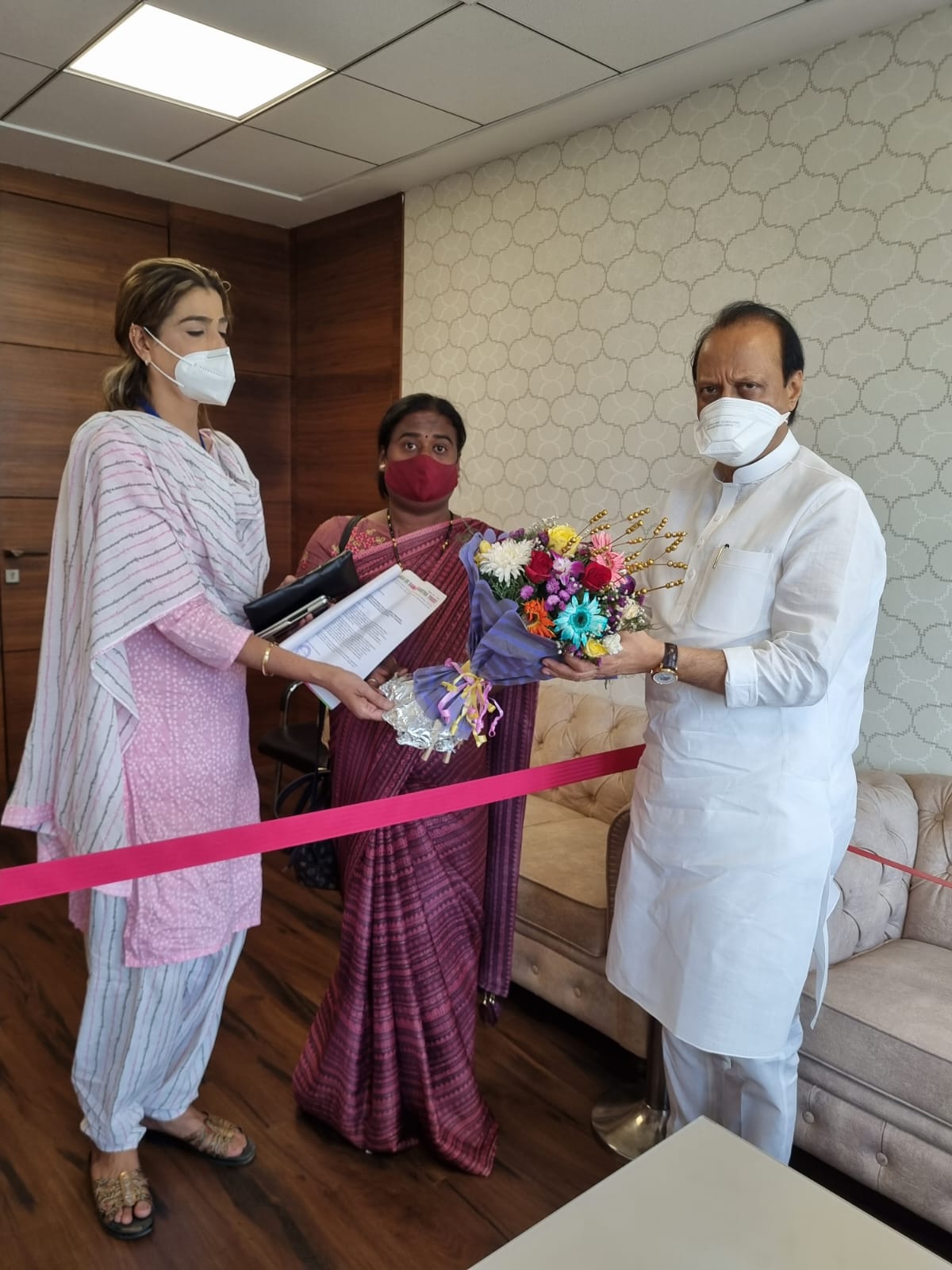
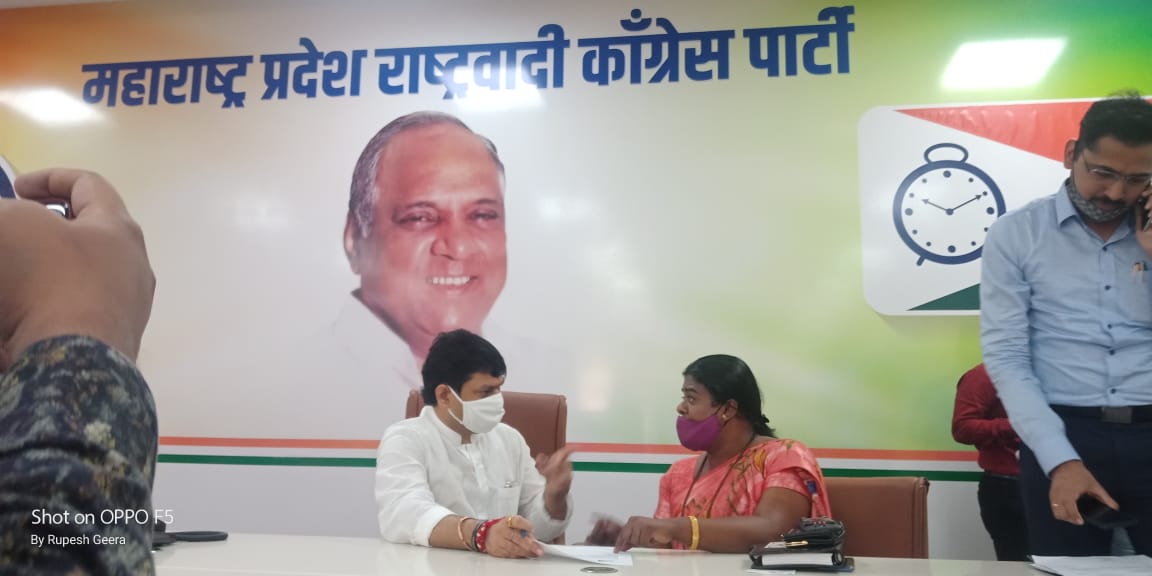
Priya joined the Nationalist Congress Party (NCP) in 2018 as its Maharashtra secretary and is now the president of its LGBTQ+ cell, the first such wing to have been formed by any political party in India.
“The party had dedicated cells for backward classes and women, so why not for the LGBTQ+ community?” Supriya Sule, party MP and daughter of NCP chief Sharad Pawar, loved the idea so much that she formed the cell within two months of Priya’s proposal.
Priya is also the first transgender student in the history of the 105-year SNDT Women’s University.
Priya says inclusivity, in society, governance, or politics begins by becoming your own representative. “We have transgender leaders and social activists fighting for rights, but each one of us also needs to take up the battle individually for faster social transformation and acceptance. Hence advocacy and policy-making remain my key focus areas.”
India won its independence in 1947, but it’s been only since 2014 that the community and its issues have entered the mainstream discussion, which means that this 68-year gap between the nation’s freedom and the community will take time to bridge,” she opines.
VISION FOR THE TRANSGENDER COMMUNITY
It saddens her that events similar to what led to her friend’s electrocution play out even now on Mumbai’s railway tracks. Despite the Transgender Persons (Protection of Rights) Act, transgenders are harassed and sometimes thrown out of moving trains costing them life and limb. Top managements in private corporations may have introduced inclusive workplace policies but transgenders employed in low, middle, or mid-senior level rungs continue to face discrimination from colleagues.
MESSAGE FOR THE MAINSTREAM SOCIETY
Priya seeks families’ empathy and acceptance for transgender children. “Hold our hands and see what we can achieve. Alienating us leads our lives on a difficult path. Step forward and communicate, try to get to know us better so that you can connect with us as humans.” With family support, her life may have been different. “I have no complaints. When I look back I see my destiny was paving my path to where I stand now – working to make a difference in the lives of many others like me.”
FIVE FACTS ABOUT PRIYA
She is in absolute loves with travelling.
More so, because she easily enjoys her own company.
She being a foodie makes travelling all the comfortable for her as she loses no opportunity to try different cuisines.
Singing is a hidden talent she would like to hone.
She describes her strength as limitless.