Rahul Mitra
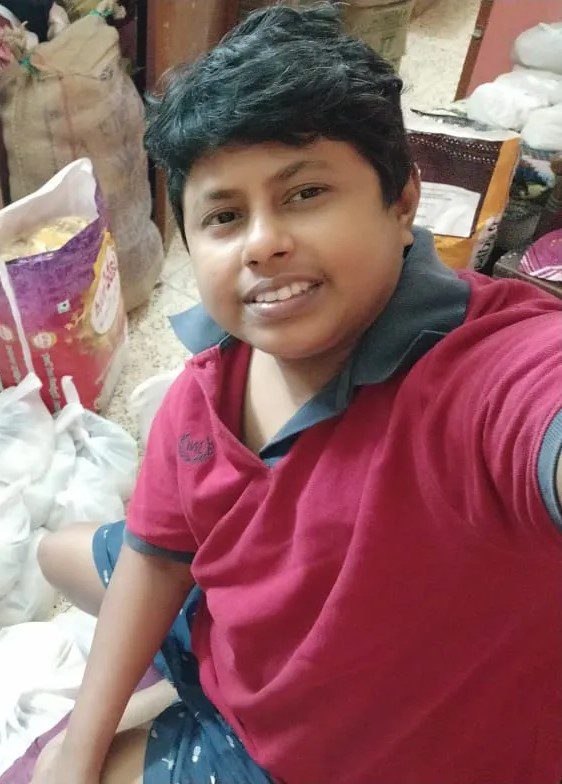
Birthplace:
Dum Dum, West Bengal
Residence:
Dum Dum, West Bengal
Qualification:
BPT, Diploma in Sports Medicine Physiotherapy, Calcutta Biochemic Medical College, Kolkata (West Bengal)
Inspiration:
Wife
A BEACON OF HOPE FOR TRANSGENDER MEN
From having lost all hope to attempting suicide to becoming a hope for many, Rahul Mitra has come a long way to becoming a voice of the unheard and a leading activist taking up cudgels on behalf of transgender men and working for their rights and betterment. He is the founder of the Transmasculine Initiative for Support and Resistance (TISAR), a group working to uplift transgender men and address their concerns effectively.
He had a girlfriend and was happy in the relationship. Yet, once neighbours came to know of their relationship, they suddenly became a mob and attacked him. “I had to hide at my sister’s home,” he says of that frightening moment. But what, in this century, made his love relationship so wrong to be attacked by a mob?
Here’s why.
Rahul was born a girl in an orthodox joint family. His family had named him Nita and sent him to a co-ed school. “It was all good until I reached class 5 and was put into an all-girls school. But wearing a girl’s uniform became a challenge for me. I was good academically but I started skipping school to avoid this uniform.”
All of this was fine. But as he grew up, he was often called out and pointed at for his manly mannerisms, while his body was developing like a girl’s. Adding to his confusion was when he started menstruating. “Was I a girl? Why did I feel like a boy then? Why was I attracted to girls then? There were so many questions and no source to find even one answer.”
Increasingly his confusion grew while he started to become more and more uncomfortable in his body, disliking every change his body showed. “What happens when a married couple isn’t compatible with each other? They fight continuously. Even if they stay together, love skips their equation,” he explains, adding, “My soul wasn’t compatible with my body. I had no clue of the way forward.”
Amidst all this, he couldn’t express himself to anyone in his family. “Would they have understood me?” He cut his hair short and started dressing up as a boy in T-shirts and trousers – no one in his family liked it, though. He was often thrashed for his mannerisms and hanging around with his male friends – after all, a girl was to behave a certain way.
It was at this point that something drastic happened. “I fell in love with a girl. It didn’t sort out any confusion but it relaxed me and prepared me to talk it out to her.”
The realization, the reckoning
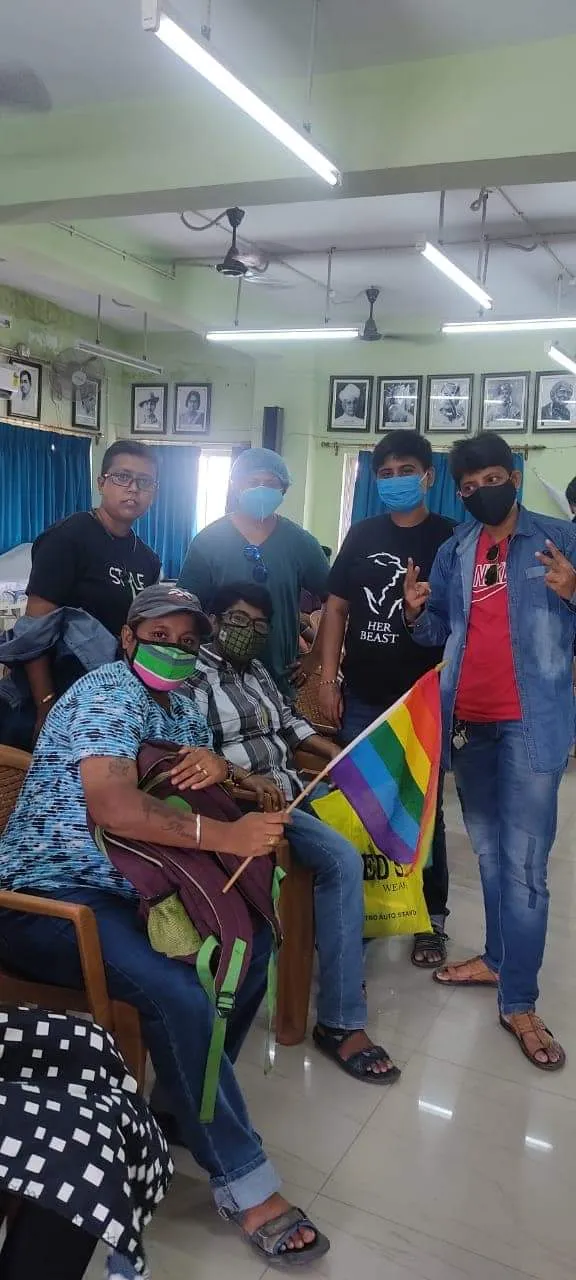
While today he takes pride in the way he started the Transmasculine Initiative for Support and Resistance (TISAR) with selling newspapers. Together with some others, he founded TISAR in 2020, a group focusing exclusively on transgender men in West Bengal. It consistently strives to uplift transgender men and address their concerns effectively. His work association with the Cricket Board of Bengal (CAB) and his activism for the uplift of transgender men are well-respected today, though he was once overcome with the idea of suicide.
“My father died when I was 15. You know what happens in a typical orthodox joint family. I wanted to take charge and be responsible for my mother and younger siblings. I started doing odd jobs like selling newspapers during the day and studying at night.”
His dreams of studying Law to fight off the evils of society seemed like going in vain. “My priorities changed after my father left. I knew I had to be independent and strong to be able to take care of my family.”
The inability to follow his dreams, the lack of his father’s hand on him, the confusion surrounding his sexuality, and the scar of the mob were too much for him to bear. Overwhelmed, he took an overdose of sleeping pills.
“It was out of extreme hopelessness, stress and fear; I wanted to be done with it all but had no other way out. I don’t know how I survived but then, if something made me survive, I had to justify it! I decided to do something about it.”
To explore himself, know himself better, and find a solution to his sexuality-related confusions, he visited a sexologist but in vain. “I started visiting ashrams, hoping for an answer in spirituality but that too didn’t help.”
When he started losing hope once again, Lady Luck smiled at him and he came to know of a club, attended one of their meetings, and found people like him there. It was an LGBTQ+ club and he joined it immediately. “Although the club too didn’t end my confusion about my gender identity, at least I received confirmation of my sexual orientation. My attraction towards girls wasn’t just a passing phase – I knew it for sure now.”
Tête-à-tête with challenges
In the absence of any concrete answers yet, Rahul joined a football team and met some guys he felt comfortable with and who, he thought, understood him. They were transgender men and they discussed the pros and cons of sex reassignment surgery (SRS). Learning more about it, he decided to undergo the surgery in Delhi. “But I told my mother that I was to attend a conference in Delhi,” he says. Once in Delhi, he found himself a new career choice – physiotherapy. “It was a rather male-dominant career choice, and I was drawn to it naturally.” He completed his graduation in Bachelor of Physiotherapy from the Calcutta Biochemic Medical College, Kolkata, in 2004 and earned a Diploma in Sports Physiotherapy in 2006.
Although the surgery provided him with a sense of connection and belonging, the challenges were far from over. “When I went to Calcutta Medical Hospital to get my gender identity disorder (GID) certificate, the head of the psychology department called me crazy and prescribed tranquilizers instead.”
He was crazy, he says, for nothing could stop him now with his new-found identity. He was motivated by now, he had found people like him, and he was gradually being accepted by the people who mattered to him.
“There isn’t much awareness and right knowledge about the transgender community. While I was going through the confusion and transition, I realised there was even less knowledge about transgender men. A few friends and I decided to do something about it.”
And thus happened the success of TISAR.
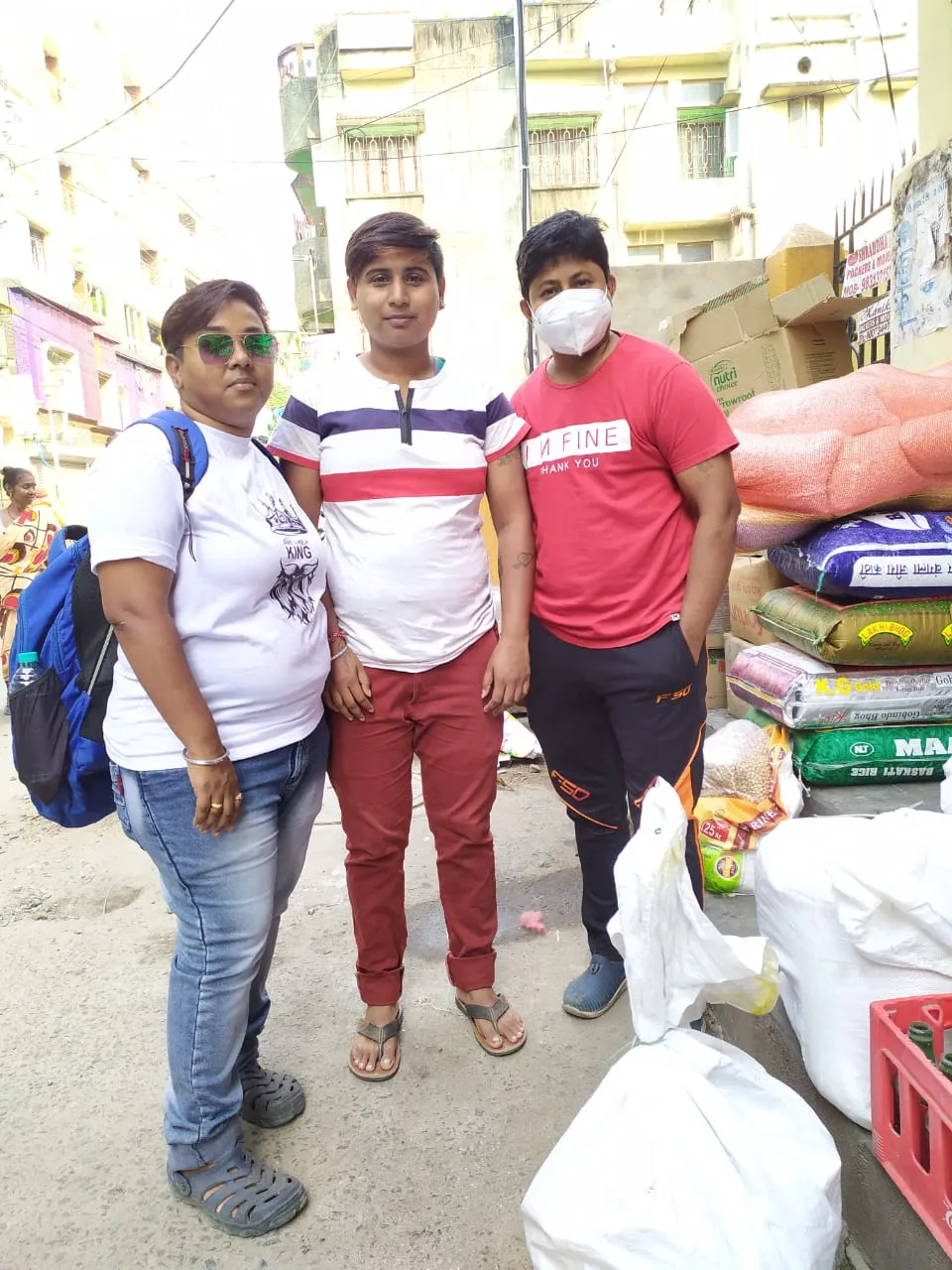
During the COVID-19 pandemic, the West Bengal government announced the Khadya Sathi Scheme to provide free rations to transgender persons. However, Rahul noticed a majority of the transgender men being left out. So, to help them, he started on his own to provide whatever ration he could manage. “It started as an informal initiative to provide help to them. Now, we have grown to make it an organisation to continue helping them,” he says proudly.
Though young, he understands the efforts of the government to help the community. The NALSA judgment and the repealing of Section 377 was like oxygen after breathlessness. “Although it’s still a long way to go, we are not criminals legally now,” he points out. These regulations, he says, have enabled the community to help each other out with a lot more confidence and live without any shame or guilt.
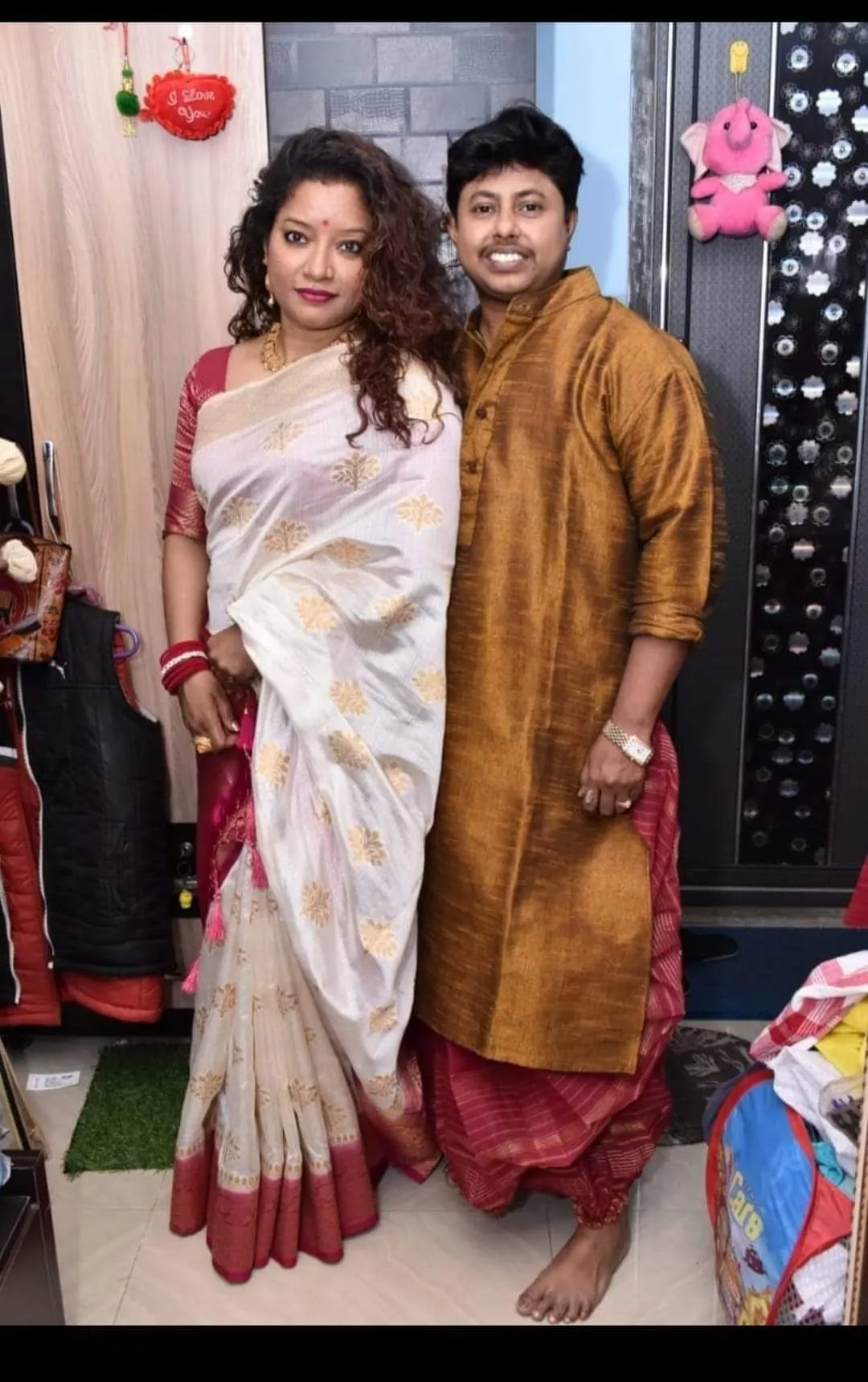
In 2002, Rahul got married to the love of his life, Aparna, who has supported him like no one else. However, they couldn’t share their happiness with their families. It was only to celebrate their 15th anniversary that the entire families and extended families came together to bless them. Aparna owns and runs a beauty salon and is a successful entrepreneur today.
VISION FOR THE TRANSGENDER COMMUNITY
“I want the community to demand and live a life full of respect and dignity – it wouldn’t happen without proper education and the right way to earning.” He wants every educated and established transgender person to put in efforts to sensitise society, even on a small scale. “I wish to see transgender persons holding positions on transgender boards and organisations and also among the policy-makers.” He hopes to see transgender men getting equal attention as transgender women.
MESSAGE FOR THE MAINSTREAM SOCIETY
“Transition is not easy; what adds to it is the lack of knowledge among the medical experts – surgery, therapy, nursing – at every level. Many transitioning people have suffered terribly because of this.” This is a basic change in society that, he says, will happen only with awareness and “the government can help us there. But it also comes onto the community to create this awareness. I would also like to see laws against transphobia and homophobia. Also, why is this community not allowed to marry or adopt?”
FIVE FACTS ABOUT RAHUL
His favourite food is rice and mutton.
His favourite book is a play by Rabindranath Tagore, Amal-o-Doiwala.
He loves playing and watching cricket. In fact, quite a few players, like Sachin Tendulkar and M.S. Dhoni, inspire him.
He enjoys dancing and listening to romantic Bollywood songs.
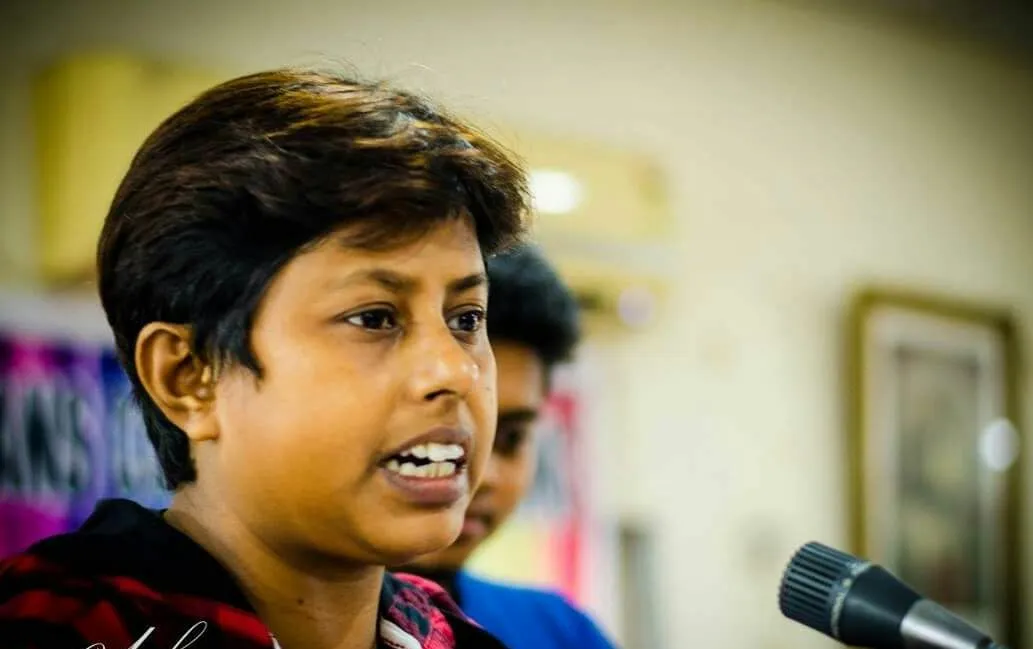
He is an orator with a natural tendency to inspire.