
A SCHOLAR ARRIVES ONTHE US SHORES
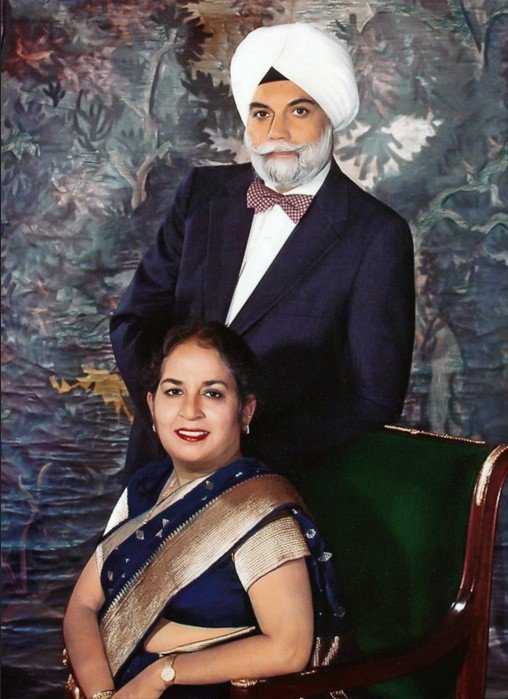
Amarjit earned his BDS degree from Bombay University and was among the notable few to win a tough competition and get a Guggenheim Foundation fellowship in dentistry. In 1953, he landed in the US. “There were hardly any Indians in the US then – maybe not more than 50. Most Americans had not seen a Sikh; they called me Santa Claus despite my black beard.”
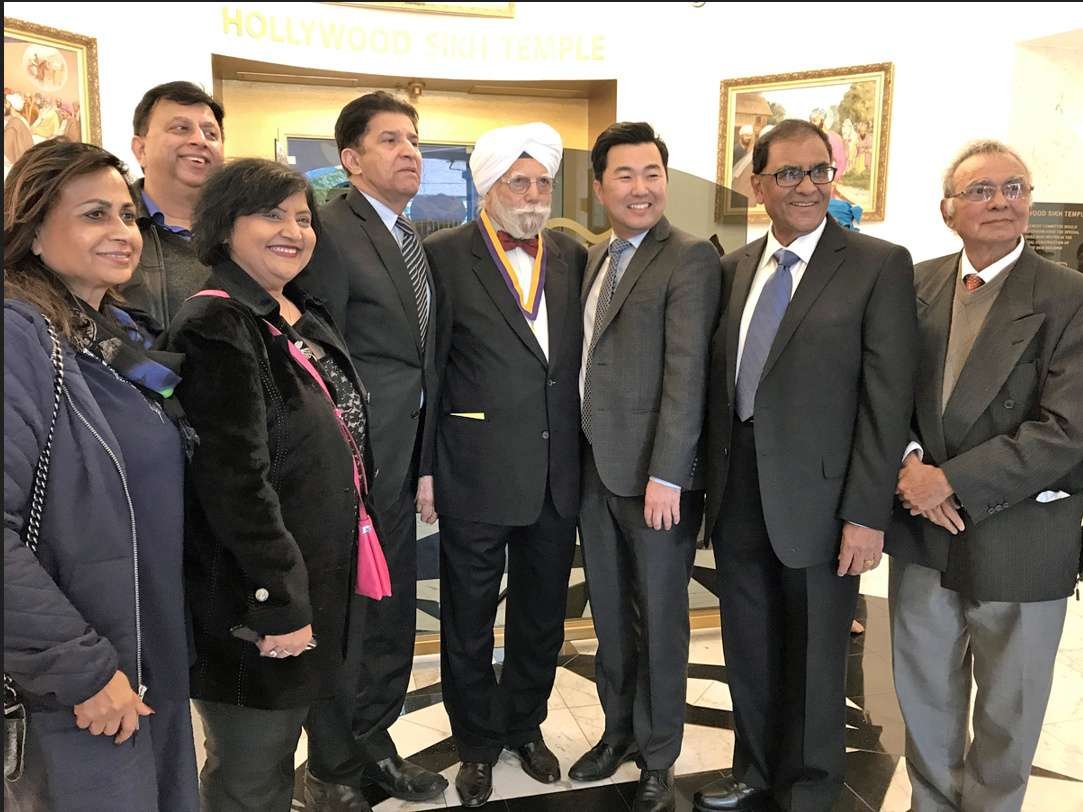
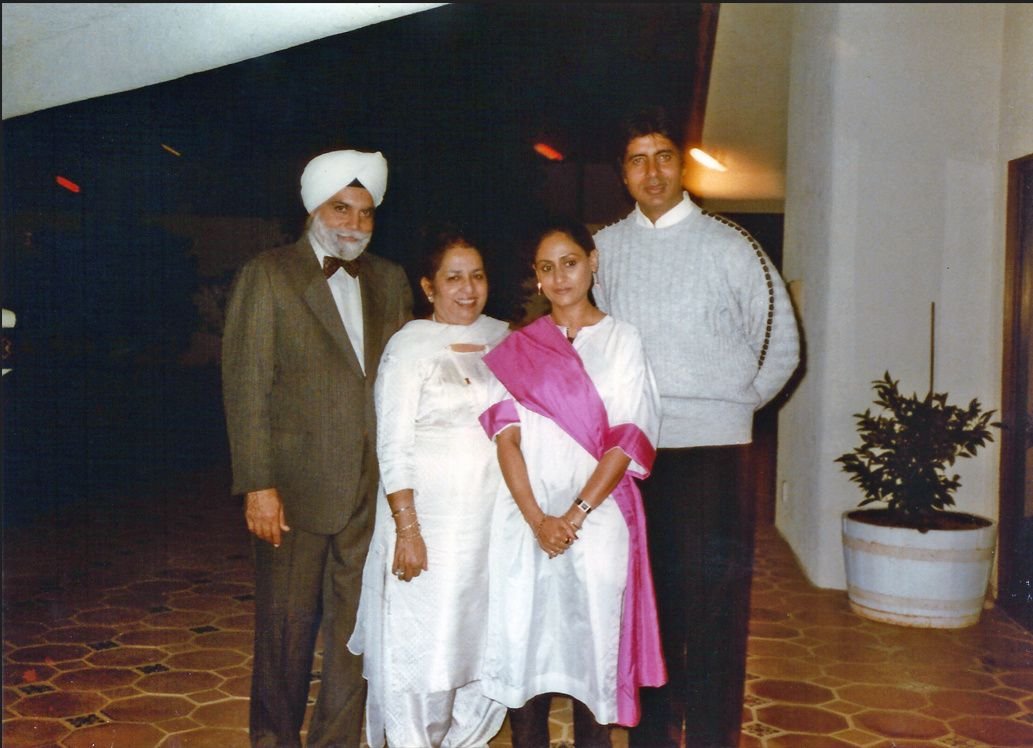
He earned his MS from the University of Illinois and his doctoral degree in dentistry from Howard University, Washington DC, in 1956 under another fellowship. He taught at the same university while practicing part-time. Under an exchange program in 1959, US Public Health Services sent him to JJ Hospital, Bombay, as an exchange professor where he was offered a probationary job that he politely refused and returned to the US in 1961, this time with his family and to West Coast. “The weather in Chicago wasn’t too friendly.” Soon thereafter, he started his full-fledged practice becoming the first Indo-American to do so and wrote numerous scientific papers on dentistry that earned him a name and celebrity status. He came to be known as the dentist to the stars.
And to say, the phone in his third-floor office did not ring for eight days since he moved in paying a 10-year lease. “I was scared. How would I pay the bills? My first patient was one Mr Captain and that’s how God helped me ahead.”
He was the first Indian to build his own house on Baldwin Hill in 1962. He would open his home on Sundays to all Indian students who wished to come down. “We started in 1962 with 20 people and by to 1969 when we would have 400 boys for lunch. My wife cooked for them and my children washed the dishes.”
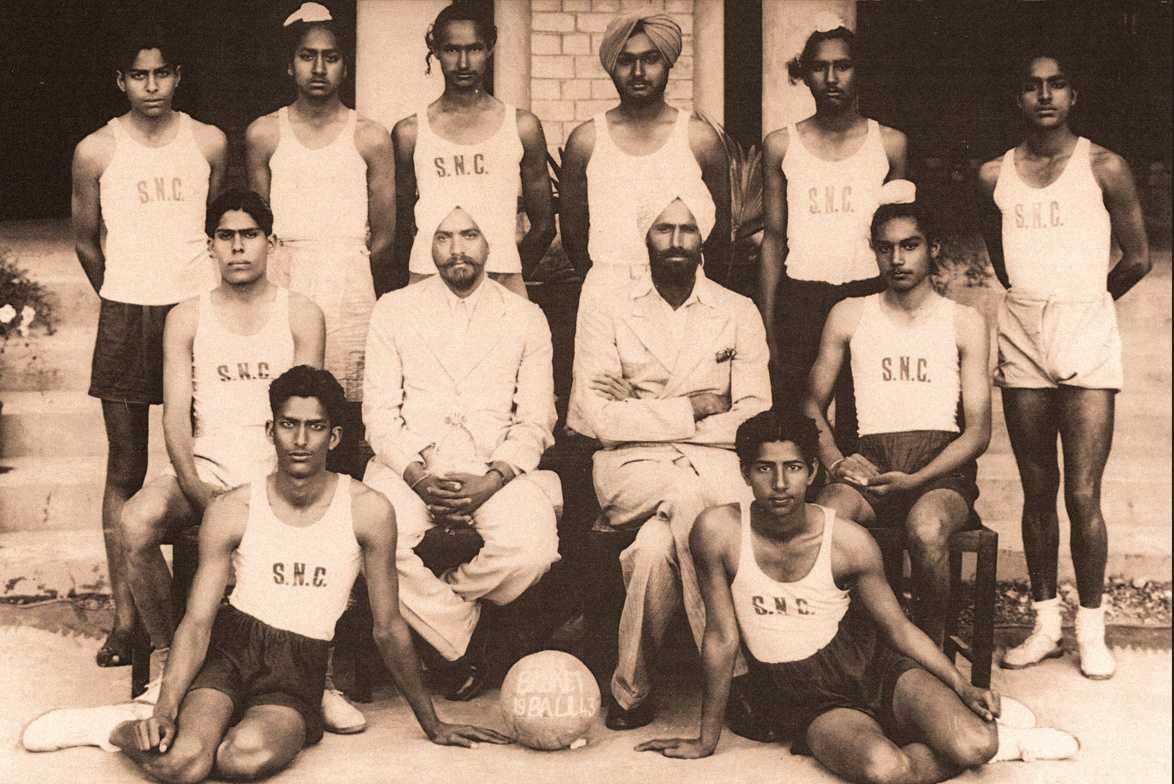
He was born to a family of physicians on February 4, 1926. Both his grandfathers were physicians under the British and so was his father, Dr Chanda Singh. Not only was Amarjit a brilliant student but also a star basketball player in high school, college and university. Known as the pioneer of basketball in Malwa, he started playing the sport – not very popular back then – in 1938.
After high school, he completed his FSc from King Edward Medical College, the only college in India with a dentistry wing at those times. Studies apart, Amarjit remained an actively participated in freedom movements, including the Quit India Movement.
When the partition happened, Amarjit was 21. He can never forget the day his family left Lahore behind. “It was August 11, 1947. We were being transferred to a military convoy under heavy police protection. It was raining heavily and people on the streets were baying for blood. There were bodies all around.”
Within a few months of reaching Kotkapura, he was appointed a first-class officer with the Patiala and East Punjab States Union (PEPSU) government.