Maneesh Media Newsletter — October 2026 · Issue 1018
SEPTEMBER 2026 • ISSUE 1018
A NOTE FROM THE DIRECTORS
Michhami Dukkadam, Uttam Kshama – may all the wrongs we have done be rendered fruitless.
This is the central message of both Samvatsari, the final day of the eight-day Paryushana observed by Shvetambara Jains, and Kshamavani, which closes the ten-day Das Lakshana Parva for Digambara Jains.
And this spirit runs through every faith — Hinduism's Kshama, Judaism's Yom Kippur, Forgiveness Sunday, Ramzan, and Kathina. India has embraced them all for centuries. This collective inheritance of understanding the power of forgiveness and apology is what makes Indians natural leaders, reminding us that strength can also lie in rising together.
Much like our flagship initiative,Jewels of India – Bharat Ki Shaan, Bharat Ka Abhiman — a spiritual quest to find extraordinary people and bring their journeys, achievements and values to light. With our second edition, we continue celebrating the threads that make the Indian story vibrant.
As we seek forgiveness, let us find compassion as the way forward.
Let’s keep creating a circle of stories together.
Manish, Abhishek & Siddharth
SPECIAL FOCUS
Why apology is strength, not weakness
From Samvatsari to Yom Kippur, from Ratan Tata to Nelson Mandela — the power to apologise and the power to forgive have shaped some of the world's most influential leaders. India has carried this wisdom across generations.
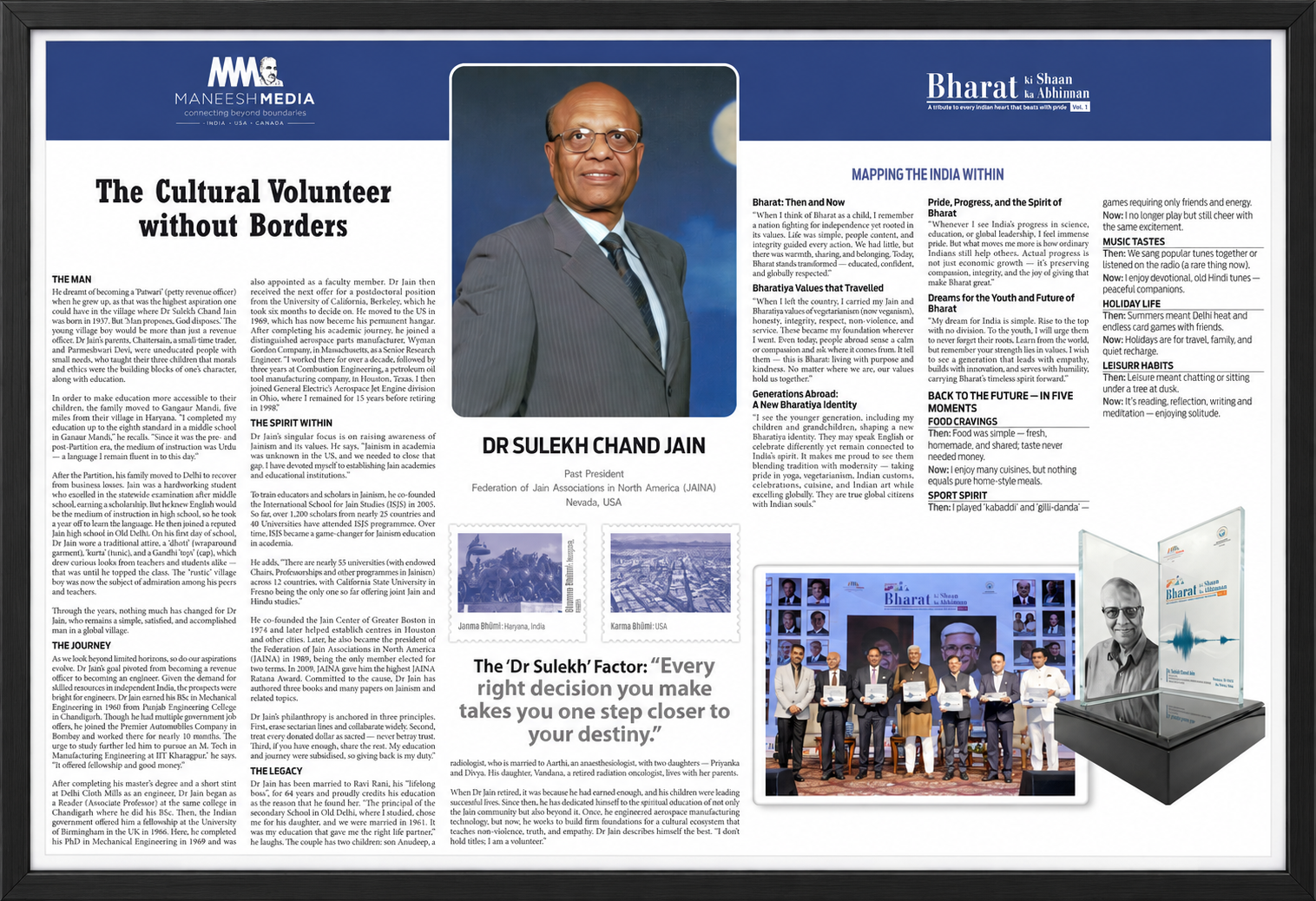
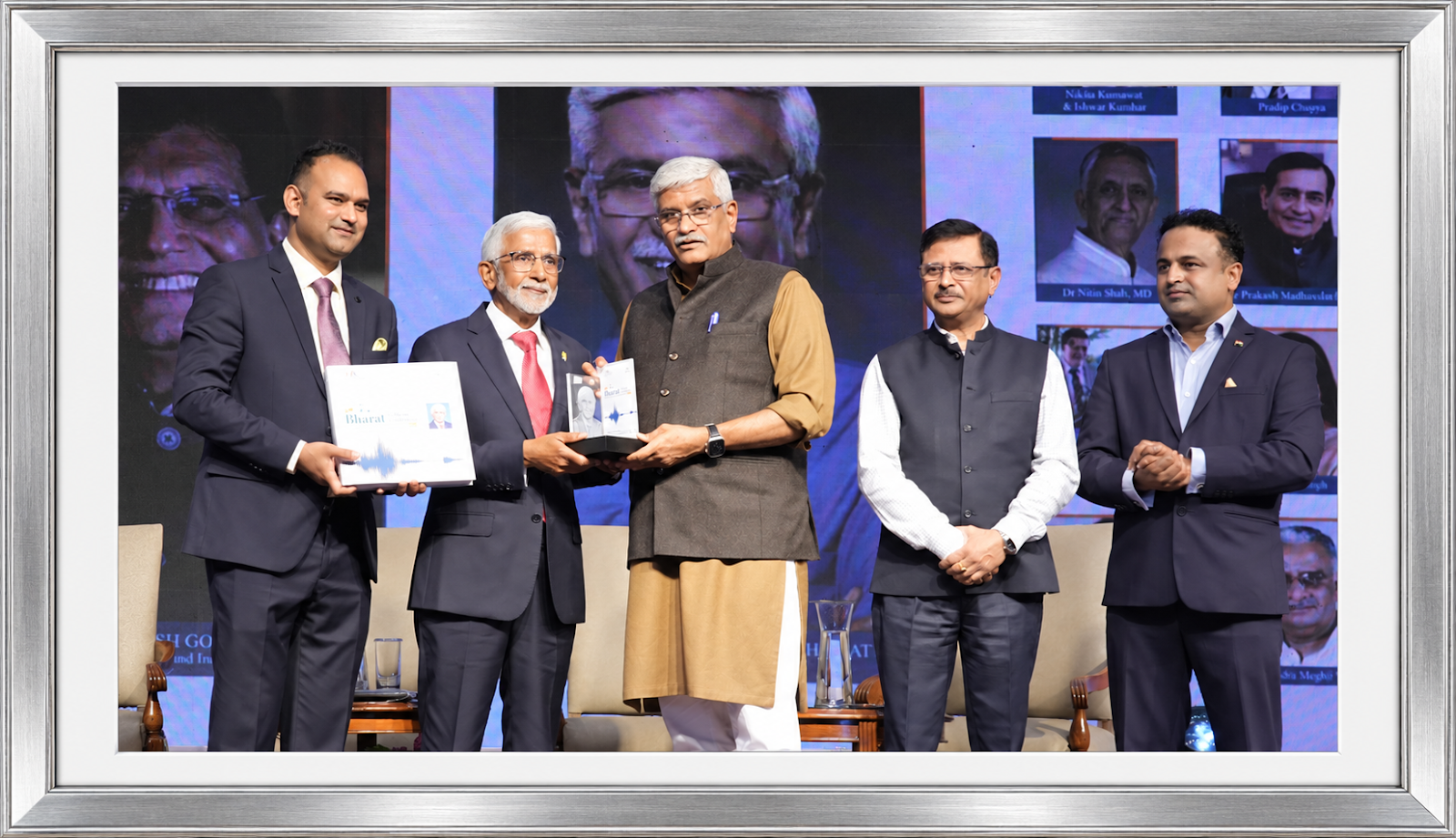
Across continents and generations, the Jain diaspora has become a quiet but powerful force in preserving and propagating one of the world's oldest spiritual traditions. Far from the faith's birthplace in India, individuals like Dr. Sulekh Chand Jain and Swatantra Vijay Jain, who were featured in Jewels of India – Bharat Ki Shaan, Bharat Ka Abhiman Vol. 1, have dedicated their lives to ensuring that Jain principles—non-violence, truth, and selfless service—not only survive but thrive in new soil.
What makes a man devote his retirement to establishing Jain studies at universities across America? Armed with an engineer's precision and an unshakeable commitment to his faith, this individual has spent decades building bridges between Jainism and academia, ensuring that future generations understand the tradition he holds so dear.
He arrived in America with nothing but faith and determination, yet built a life rooted in generosity and spiritual discipline. Through meditation and service, he has created spaces where Jain philosophy can flourish—from Houston to the world. His journey proves that one need not be born into privilege to build a legacy of giving.
He taught at MIT and Columbia, won India's Padma Bhushan, and mentored generations. And even though he is retiring from Emory after 35 years, he's not finished yet.
The brief begins with one idea. The story builds into something more. The effort to document the life of P. R. Kejriwal was just that, it was about family, entrepreneurship and five decades of building the Supra Group. As the conversations progressed, so did the book.
Here’s a look at the conversations, decisions and collaboration that shaped the book — and why stories of a lifetime need time, thought and care.
“Anger is the slayer of men and is again their prosperor. Know this, O thou possessed of great wisdom, that anger is the root of all prosperity and all adversity... He that suppresseth his anger earneth prosperity."
— Yudhishthira, Vana Parva (Book 3), Section XXIX of the Mahabharata